Skip to content Accessibility statement
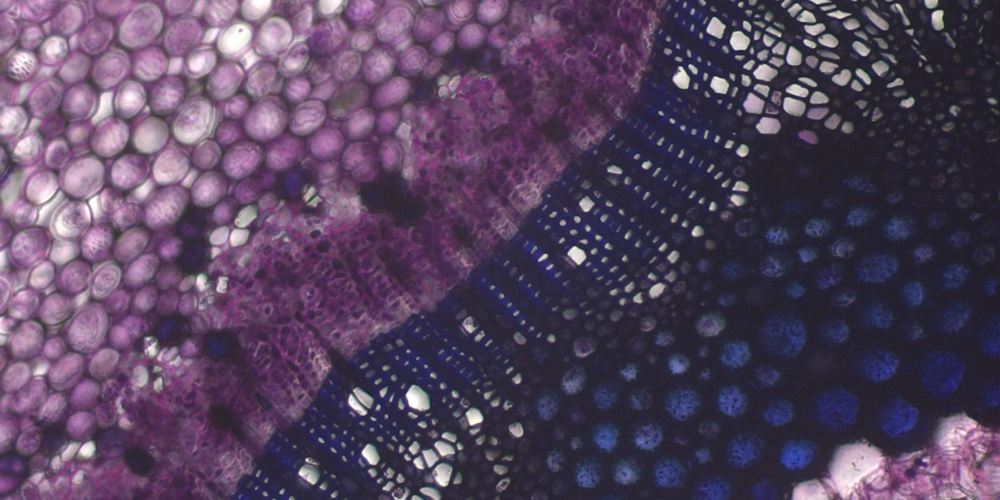
Daphniphyllum macropodum

Alkaloid pathway discovery and reconstitution

Context

Alkaloids from plants are characterised by structural diversity and bioactivity, and maintain a privileged position in both modern and traditional medicines. By deciphering the genetic and enzymatic basis for complex alkaloid formation, we can unlock novel methods for their sustainable production and targetted modification.

The research

We investigate diverse alkaloid biosynthetic pathways with a particular interest in scaffold formation: the process whereby simple building blocks are transformed into complex structures. These steps are often catalysed by unique, non-canonical enzymes. We use “omics” approaches, including metabolomics, transcriptomics, genomics, to identify metabolic pathways and select candidate biosynthetic genes. These pathways are reconstructed and validated using Nicotiana benthamiana, yeast and in vitro assays. Through this approach we discover novel biocatalysts and establish alternative production routes towards valuable bioactive alkaloids. Currently we have projects focused on bioactive alkaloids from Securinega, Daphniphyllum and Nicotiana.

Featured researcher

Benjamin Lichman

Dr Lichman is interested in the mechanism and evolution of plant biosynthetic enzymes, and the origin of metabolic pathways.

View profile