
Using plants to recover technology critical metals
Context
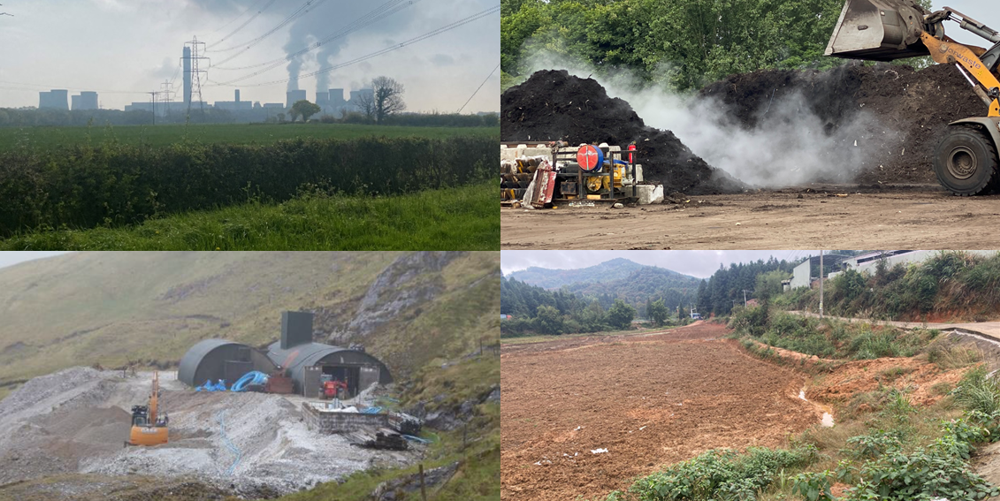
The transition toward a low-carbon economy via the production of green infrastructure and renewable energy technologies requires metals. These technological-critical metals include rare earth elements, platinum group and noble metals and nickel. However, their mining has significant environmental impacts, including the accumulation of land and tailings contaminated with complex metal mixtures. Plant based technologies could be used to restore lands and remediate wastes, recovering residual deposits of these valuable elements.
Using plants to extract metals from the environment is not a new idea, but the costs of growing, harvesting and transporting metal-rich plant biomass, in addition to the cost of smelting to the base metal, have been prohibitive to the development of metal phytoextraction.
The research
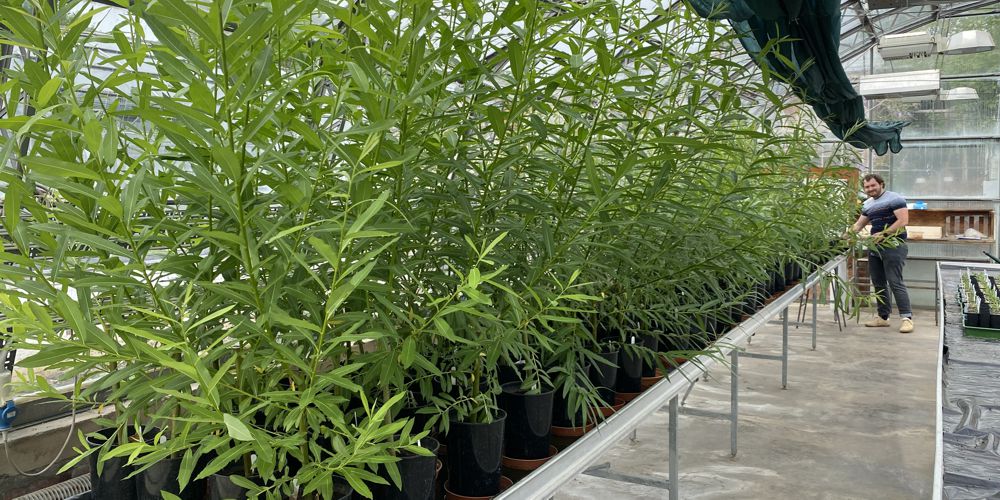
Our research uses biology to understand the mechanisms behind metal solubilisation, uptake and storage, and apply this knowledge to improve metal uptake specificity, valorise metal-rich biomass, and recover metals for reuse.
In collaboration with colleagues at the Green Chemistry Centre of Excellence, we are investigating how nickel-rich, pyrolysed plant biomass can be used to catalyse the conversion of the surrounding plant biomass into platform molecules for biofuels, and to break down plastics into their monomer components for recycling.
Liz Rylott
Research into the sustainable range management of RDX and TNT by phytoremediation with engineered plants and the molecular biology of nitroamine degradation in soils.