Skip to content Accessibility statement

Uncovering the molecular bases that determine the quality of cassava for food applications

Context

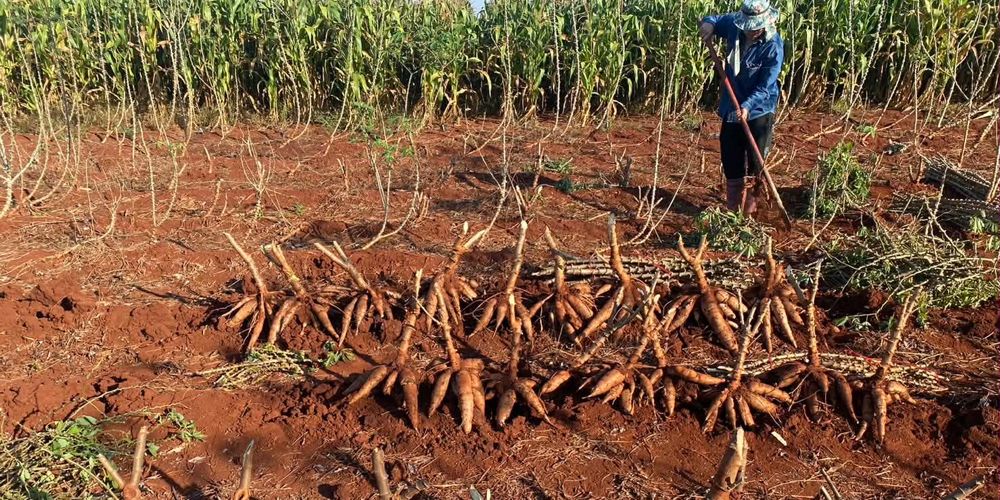
Cassava (Manihot esculenta Crantz) is a major crop, serving as a vital source of starch for numerous industries and as a staple food in various developing countries. Edible cassava is the third largest source of carbohydrates in the tropics, after rice and maize. Unlike cassava destined for industrial purposes, the texture of boiled roots from cassava varieties intended for direct human consumption plays a crucial role in the nutritional value, consumer acceptance and preferences. Specific cell wall components have correlation with cooking quality attributes. 

The research

Genome-wide association studies identified significant Single Nucleotide Polymorphisms for cellulose, xylan and un-esterified- and methyl-esterified HG. Candidate genes associated with these SNPs point towards diverse cell wall-related proteins, transcription factors, sugar metabolism-related genes and glycosyl hydrolases. We are producing knock out mutants using gene editing by CRISPR/CAS approaches to modify the cell wall in the roots of elite cassava varieties.

Featured researcher

Leonardo Gomez

Dr Gomez specialises in the use of plants as chemical platforms for the production of biorenewable products. 

View profile