Skip to content Accessibility statement

Algal enzymes for a sustainable bioeconomy
Context

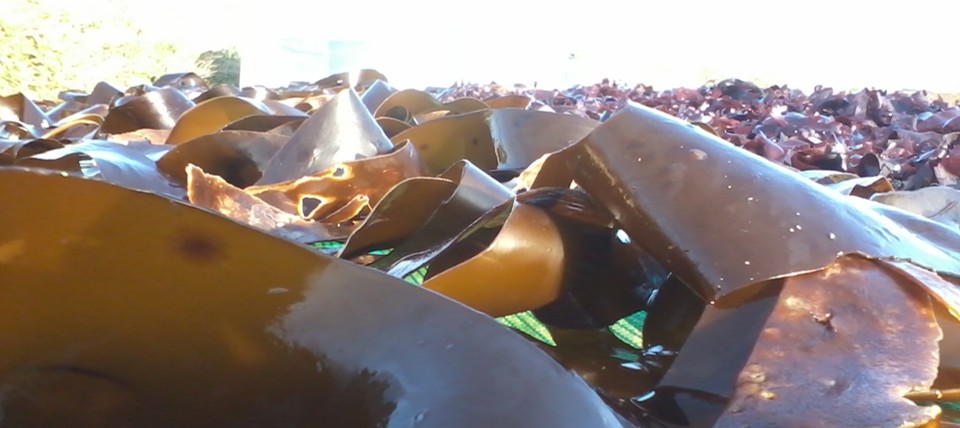
Algae range from microscopic phytoplankton to giant kelp, and are among the most efficient solar-to-biomass converters on Earth. Their complex cell wall polysaccharides represent a vast, untapped reservoir of sustainable materials and bioactive compounds. However, the resilient nature of these cell walls makes extracting and modifying these components difficult, often requiring harsh chemicals.

The Research

In the Sabbadin Lab, we combine fundamental biochemistry, innovative biomass treatments, and enzyme discovery to unlock the full potential of algal biomass. We have successfully integrated microwave-assisted extraction with enzymatic treatments to produce high-value prebiotic oligosaccharides from red seaweed. To accelerate discovery, we are leveraging machine learning and structural similarity to identify novel polysaccharide-degrading enzymes from across micro- and macroalgae. This work provides the biocatalytic tools needed to transform raw algal biomass into high-value biomolecules for a circular bioeconomy.

Featured researcher

Federico Sabbadin

Dr Sabbadin's research focuses on discovering and characterising enzyme families with potential applications in agriculture, industry, and healthcare.
View profile

Featured researcher

Leonardo Gomez

Dr Gomez specialises in the use of plants as chemical platforms for the production of biorenewable products. 
View profile

Featured researcher

Thierry Tonon

Dr Tonon is interested in algal physiology, enzyme characterization, evolution of metabolic pathways, and on developing biotechnological applications based on algae and/or algal genes.

View profile