
Exploring the role of AI in sustainable farming
Posted on Friday 10 July 2026
However, it remains to be seen whether they will actually deliver meaningful benefits for farming communities, the environment and wider society.
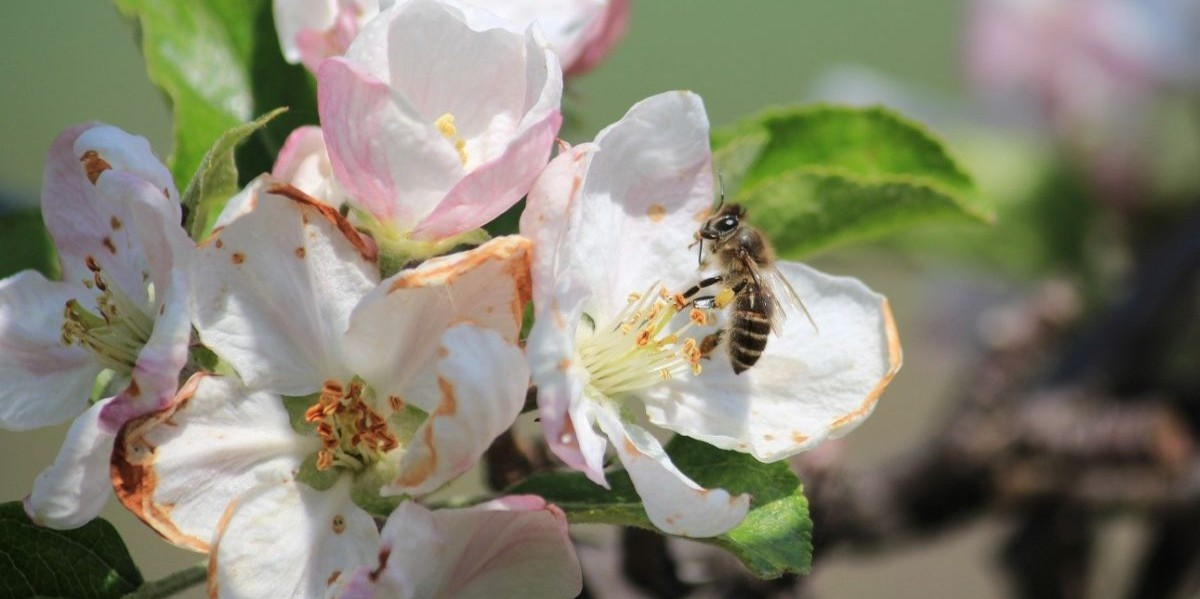
An ongoing project funded through the York Environmental Sustainability Institute (YESI) is exploring these questions. Led by Tom Timberlake (LCAB) in collaboration with Dimitar Kazakov from Computer Sciences and Jamie Carr from LCAB, the project uses pollination management as a case study to investigate whether AI can provide advice that is scientifically sound, locally relevant and practically useful. Pollination is an important test because effective management depends on many interacting factors, including crop type, landscape, habitat and farming practice.
The project takes a critical as well as practical approach. AI may help bridge the gap between ecological research and on-farm decision-making, but it also carries risks. Advice can be generic, opaque or poorly matched to local conditions. There are wider concerns around bias, data security, accountability, the erosion of local knowledge and the possible loss of farmer autonomy.
To understand these issues from the perspective of those most affected, the team has carried out a questionnaire and interviews with farmers. These explored current uses of AI, perceived benefits and concerns, and the kinds of decisions where AI-generated advice might be most valuable.
The project also brought together farmers, ecologists and agricultural advisers in a workshop to identify opportunities, risks and priority actions for AI in agriculture. Participants considered where AI could genuinely support better outcomes, where caution is needed, and how farmers and environmental experts can help shape its future use.
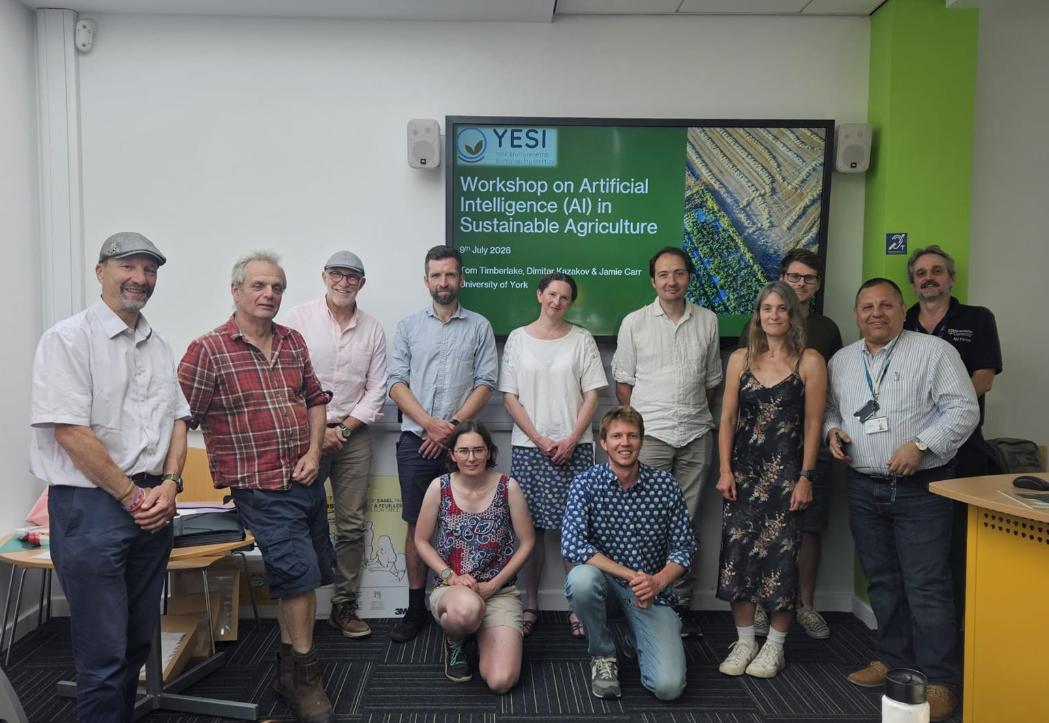 Workshop on the future of AI in agriculture Credit: Jamie Carr
Alongside this engagement, the team is developing and testing a more structured approach to AI-generated pollination advice. The aim is not to replace human judgement, but to explore a new relationship between scientific evidence and local knowledge in which AI could help connect agricultural and ecological research with farmers’ experience, priorities and practical knowledge. Ultimately, the project asks what needs to be done to steer AI in the right direction - towards supporting farmers, biodiversity and resilient food systems, rather than reinforcing environmentally damaging practices and existing inequalities.