
Sensing our environment
This event has now finished.
P/T/005, School of Physics, Engineering and Technology Building, Campus West, University of York (Map)
Event details
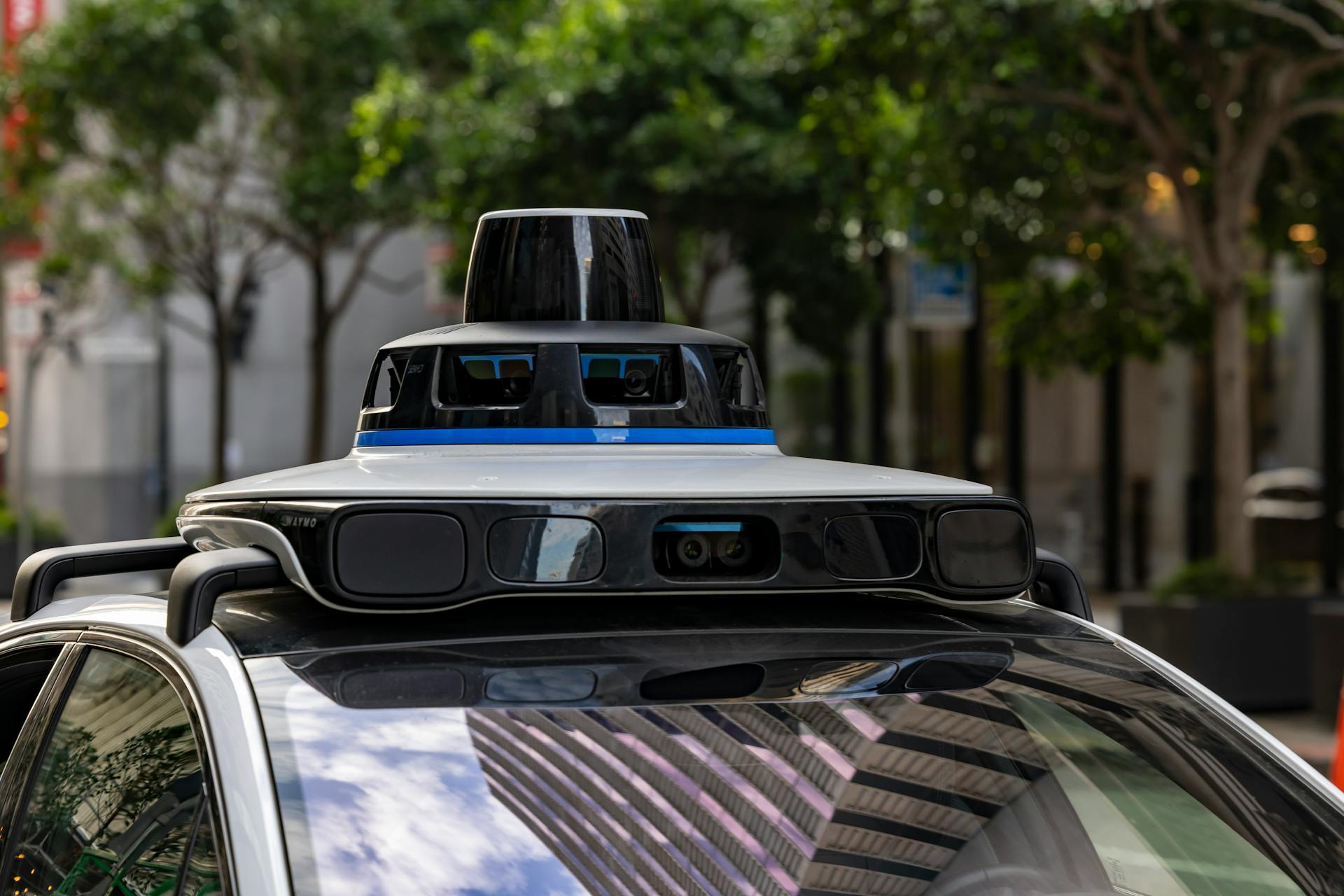
The rapid evolution of advanced sensors and autonomous systems is transforming how we perceive, collect, and analyse environmental data. From wearable tech that tracks our personal exposure to pollutants, to autonomous vehicles navigating hostile terrains, the potential to map our world in real-time is unprecedented.
By converging AI with environmental monitoring, we are unlocking the ability to forecast disasters with precision, pinpoint pollution sources, and monitor the health of our air and water with granular detail.
Why Attend?
Join YESI, ISA, and the Equitable Technologies Lab for an interdisciplinary workshop designed to bridge the gap between environmental science and novel sensor engineering. This event brings together researchers—including PGRs and ECRs—from across the University of York to explore how we can measure our changing world and its impact on planetary, human, and animal health.
Key Themes for Discussion
We will dive into the technical, ethical, and practical questions underpinning this technological shift:
-
Innovation: What new tools do we need to measure parameters in air, water, soil, and biota at higher spatial and temporal resolutions?
-
Purpose: What data is truly essential, and what are the specific drivers behind our collection efforts?
-
Governance: Who controls access to environmental data, and how do we ensure equitable use?
-
Synthesis: How can we translate massive datasets into actionable insights for regulators, policymakers, and civil society?
Our Goal
This workshop seeks to surface areas of mutual interest across the York research community, sparking new collaborations and identifying pathways for future research development.