Skip to content Accessibility statement

Streamlining how we work

A big part of the transformation focuses on a new 'Service Delivery Model', which sets out how we'll collaborate and support one another in our HR and finance processes. In broad terms, it's made up of four levels, creating a more constructive, transparent way of working across all staff.

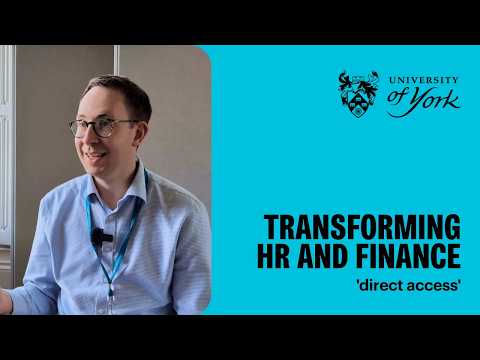
Direct access (for up to 70% of tasks)
The go-to approach for most routine tasks: updating personal information, requesting leave, submitting expenses and more, with inbuilt guardrails to protect against mistakes in real time. Staff will also have direct access to better oversee the colleagues and budgets they manage.
Shared Service Centres (for up to 20% of tasks)
For areas where direct access isn't available, or needs wider input, our Shared Service Centres will support with common tasks and queries. This is a change to our current approach, where staff manually process repetitive checks and approvals by default, often leading to bottlenecks.
Centres of Excellence (for up to 20% of tasks)
Centres of Excellence will provide help that goes beyond the usual data entry, cross-checking and manual workarounds. They will instead focus on detailed reporting, policy design, complex problem-solving and other types of work we rarely have the opportunity to tackle.
Business Partners (for up to 5% of tasks)
Working with departmental leaders, Business Partners will advise on forward-looking collaboration, such as long-term planning, strategic analysis, and aligning goals with our wider mission – again, something made possible by a collective shift in the kind of tasks that take up our time.

The move to direct access will open up more capacity for staff to develop broader, transferable skills – like analytical thinking, leadership, and AI and digital literacy – that reflect the changing nature of work across all sectors, and to use them to support our growing priorities and funding streams.

This evolution will happen gradually throughout the long 'settling in' period after the first go-live, after which we'll have a fuller understanding of everyone's needs, making sure the services we provide remain engaging and fulfilling.

From February, there'll be a single 'front door' for all HR-related queries, and one for all finance-related queries. From there, staff will triage them based on complexity, aligned with these levels of service support. More information around this 'service catalogue' – how various queries will be submitted, and who will handle them – will emerge closer to the initial February launch.

Designing the transformation

From the outset, certain 'design principles' have steered every discussion and decision. We sat down with some of those involved to hear their thoughts on what the principles mean, and why they're central to bringing the benefits to life.

Benefits for various staff groups

These new ways of working will bring some easy wins for every kind of role, addressing common challenges we know we share. Other larger adjustments might take more getting used to; they're all in aid of us working better as one community. From conversations among various groups so far, themes have emerged around what the transformation will offer.


Support to navigate change

Change, and the opportunities it brings, often feels exciting – but it can also lead to uncertainty and discomfort for some.

Alongside the existing wellbeing support on offer, we've launched a new Staff Learning Collection that includes practical resources for you and those you work with. We'll add more topics as we progress through the programme.

Explore the collection