Primary school food provision ‘complex, fragmented and lacking central oversight’, study reveals
Posted on Tuesday 1 September 2026
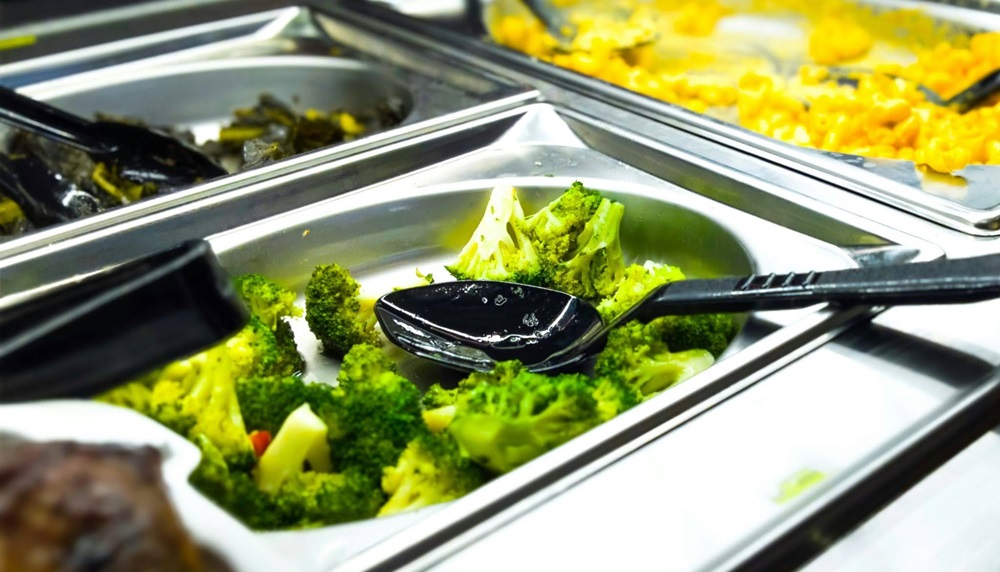
The study, published in the Journal of Nutritional Science, examined meal provision across 1,771 state-funded Yorkshire primary schools - representing over 10% of all primary pupils in England.
Researchers mapped who provides school lunches and found a complex, highly fragmented system that makes central monitoring of nutritional standards extremely difficult.
Despite public sector spending on free school meals rising to around two billion annually in England, there is currently no central public record or compulsory national system to monitor compliance with government School Food Standards. Instead, caterers and schools are largely left to self-assess their own compliance.
Major shift
The study highlights a major shift in how school meals have been delivered over the last decade. While local authority caterers previously served the vast majority of primary schools, they now serve under half (49.3%) in Yorkshire.
The rise of independent academies - which now make up nearly half (48.3%) of Yorkshire primary schools - has coincided with a surge in commercial catering contracts (30.2%) and schools running their own in-house kitchens (8.9%). For 11.6% of schools, no public record of their catering provider could be identified at all.
Furthermore, just five commercial companies were found to account for over 78% of all commercially catered primary schools in the region.
Meal quality
The research identified stark differences in the types of schools served by different caterers, raising concerns about commercial viability and meal quality:
- Financial breakeven: Over 20% of Yorkshire primary schools (372 schools) do not have the 150 pupils required to hit the financial breakeven point for a school meal service.
- Rural and urban split: Local authority caterers were left serving the majority of smaller, rural, and economically challenging schools where meal provision often runs at a loss.
- Commercial trends: Commercial caterers predominantly served larger, urban schools with higher pupil headcounts, offering greater potential profitability.
Because smaller budgets and financial strain often lead to cost-cutting, the paper warns that this creates an unequal system, where the nutritional quality of a child's meal depends heavily on where they live and go to school. The demise of five of the County’s fifteen local authority catering services also means that school leaders face a more restricted choice of provider going forward.
The authors conclude that there is a clear opportunity for public health teams, government departments, and caterers to work together to establish transparent monitoring, optimise budgets, and safeguard children's dietary health.
Powerful lever
Lead author of the study, Dr Nicola Nixon from the Department of Health Sciences at the University of York, said: "School meals represent a powerful lever to tackle the ongoing child health and obesity crisis, yet our current system is fragmented, opaque, and largely unmonitored.
"When caterers are left to self-regulate under severe financial pressures, we risk compromising the nutritional quality of food served to our children.
“Along with the financial pressures and the absence of central monitoring and oversight, this means that we don't make the most of the opportunity for the school food system to tackle the current child health and obesity crisis.
“To ensure every child receives a healthy, high-quality meal, we urgently need greater transparency, clear national oversight, and stronger collaboration between schools, caterers, and public health teams."