Historic fashion exhibition charts rise of the ‘New Woman’
Posted on Thursday 29 January 2026
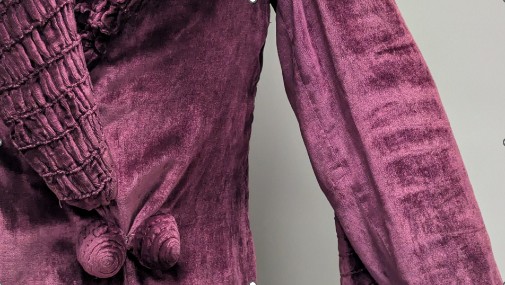
New Fashions for the New Woman, 1900–1950 is now showing at the Art Gallery in Heslington Hall and runs until 17 April 2026. Tickets are free and open to the public.
Curated by History of Art students under the supervision of Professor Cordula van Wyhe, the exhibition traces the transformation of women’s dress during a period that reshaped ideas of femininity, independence and modern life.
Featuring more than 80 exhibits, the display examines how changing social expectations, increased financial independence and expanding leisure opportunities influenced the way women dressed, and how the fashion industry responded.
Innovations
Professor Cordula van Wyhe, from the University of York’s Department of History of Art, said: “Central to the exhibition is the emergence of new materials that revolutionised clothing in the early twentieth century. Early synthetic fibres, such as nylon, offered a more affordable alternative to silk, while new plastics, including celluloid and acrylic, enabled lighter, bolder accessories.
“These innovations are shown alongside traditional craft practices that continued to thrive, from velvet and metal-thread fabrics to intricate beadwork, silks and feathers.
“These materials not only transformed everyday wardrobes, but also shaped the glamorous visual language of film and advertising, as they photographed particularly well during the interwar years.”
Experimentation
Garments are displayed on mannequins to highlight both surface decoration and technological innovation, supported by accessories, early plastic objects and cosmetic products.
Visitors can touch various textile samples to experience unusual fabrics literally ‘first-hand’. Together, they illustrate how both industrial experimentation and skilled craftsmanship defined modern fashion in a globalised world.
The exhibition also reflects wider social change. As more women entered paid employment and participated in an increasingly image-driven culture, clothing needed to accommodate new routines and aspirations.
Modern consumer
The ideal of the “New Woman” was that of a confident, mobile and modern consumer, which required fashions that balanced practicality with spectacle. Yet, the exhibition also showcases that not all innovation in fashion delivered the ease and elegance it promised.
Alongside the exhibition, staff and students from the Department of History of Art offer public engagement events on request.
The University of York’s History of Art Department is known for its research and teaching in curating and fashion history, with students gaining hands-on experience through the university’s extensive art and historic fashion collections.