Loss of nature costs more than previously estimated, according to new study
Posted on Thursday 7 March 2024
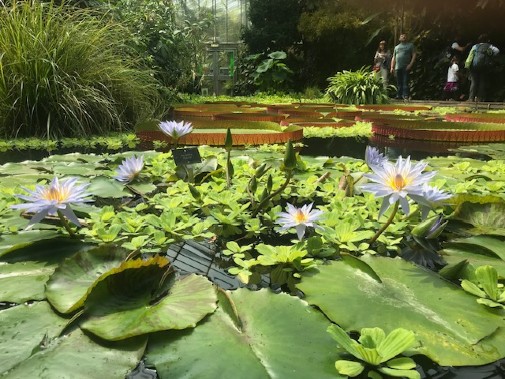
The method can be used by governments in cost-benefit analyses for public infrastructure projects, in which the loss of animal and plant species and ‘ecosystem services’ – such as filtering air or water, pollinating crops or the recreational value of a space – are converted into a current monetary value.
This process is designed to make biodiversity loss and the benefits of nature conservation more visible in political decision-making.
New approach
However, the international research team, which included Professor Mark Freeman from the University of York, says current methods for calculating the values of ecosystem services “fall short” and have devised a new approach, which they believe could easily be deployed in Treasury analysis underpinning future Budget statements.
Their approach, published in the journal Science, takes into consideration the increase in monetary value of nature over time as human income increases, as well as the likely deterioration in biodiversity, making it more of a scarce resource.
This contrasts with current methods, which do not consider how the value of ecosystem services changes over time.
“Our study provides governments with a formula to estimate the future values of scarce ecosystem services that can be used in decision-making processes,” said Moritz Drupp, Professor of Sustainability Economics at the University of Hamburg and lead author on this study.
Conserve nature
Two factors play a key role in this value adjustment: on the one hand, income will rise and with it the prosperity of the world's population – by an estimated two percent per year after adjusting for inflation.
As incomes go up, people are willing to pay more to conserve nature.
“On the other hand, the services provided by ecosystems will become more valuable the scarcer they become”, said Professor Drupp. “The fact that scarce goods become more expensive is a fundamental principle in economics, and it also applies here. And in view of current developments, unfortunately, we must expect the loss of biodiversity to continue.”
According to the researchers, the present value of ecosystem services must therefore be set much higher in today’s cost-benefit analyses, to more than 130 percent if just including the rise of income.
If also taking into account the impact on Red List Index endangered species, the value adjustment would amount to more than 180 percent.
Cost-benefit
Accounting for these effects will increase the likelihood of projects that conserve ecosystem services passing a cost-benefit test.
Professor Mark Freeman from the University of York’s School for Business and Society said: “The government is under considerable pressure from many sides for additional public investment. Ensuring that the protection of ecosystems is appraised in a way that is consistent with other public projects, including HS2 and other infrastructure spending, is critical. This is what our work aims to achieve.”
Professor Ben Groom, from Exeter University, said: “The monetary values for the environment that are currently used by policy makers in the appraisal of public investments and regulatory change mean that nature becomes relatively less valuable over time compared to other goods and services,” said
“Our work shows this is wrong. We propose an uplift in the values of ecosystems over time. This proposal could easily be deployed in the Treasury’s analysis that will underpin future Budget statements.”
Long-lasting
Dr Frank Venmans, from London School of Economics, added: “Take coral reefs as a specific example. These are expected to decline in area and biodiversity as the climate changes, meaning that the remaining reefs will be much more valuable than today, and even more so as household incomes rise. This matters when we assess coral reef preservation with long-lasting effects.”
The researchers say that as political decisions can alleviate the loss of biodiversity, it is important that governments are able to adequately assess the consequences of their decisions today and in the future.