Teachers reluctant to use technology in music teaching, say experts
Posted on Wednesday 31 May 2023
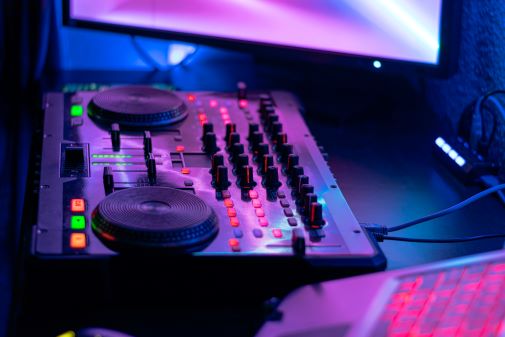
Dr Pete Dale, from the University of York’s School of Arts and Creative Technologies and lead researcher at the Contemporary Urban Music for Inclusion Network (CUMIN), says his research has revealed that teachers are often reluctant to use new technology, despite evidence to show that integrating new genres that young adults enjoy the most could transform their educational experience.
New technologies
In his review of research papers conducted with teachers over a 15 year period, which included collating interviews, surveys and data, he identified a ‘nervousness’ by some music teachers to use new technologies in the classroom, such as DJ controller decks, MIDI controllers and Digital Audio Workstations (DAWs).
These studies have shown that music teaching tends to be technologically ‘conservative’ and does not integrate the advances in modern music production within the teaching of classical or traditional music.
Music education
A study in 2021, for example, suggested that this reticence with music technology derives from fears that the technology will diminish more traditional music education, as well as a lack of training among many music teachers.
Dr Dale said: “These teachers are protective of their established methods and feel threatened by the potential influence of technology. However, CUMIN has shown that there is a significant appetite for music technology, particularly beyond the school gates.”
Performance
One teacher, in a report authored by Dr Dale, stated that they had never used technology for an assessed GCSE or A-level performance and “couldn't imagine doing that” due to being nervous of the assessment process. They said “I'd love to do it but I'm nervous... I have a genuine fear that people [who do moderation] don't understand the use of technology.”
Dr Dale, said: “My research work with teachers across the UK has shown that many teachers are hugely anxious about using music technology in general and nervous about using DJ decks in particular for GCSE assessments.
“This is unfortunate because my research has also shown that when teachers do include DJ decks and contemporary music in their classrooms, uptake at Key Stage 4 can be massively improved and greater engagement in the classroom can become possible.
Opportunity
“If music is 'under threat of extinction in schools', as some influential researchers have argued in recent years, there is a huge opportunity here to reverse this misfortune and bring music education up to date for the 21st Century in the UK.”
“Although classical has always been a mainstay in music education, lessons in what students consider ‘their music’ will inevitably help them engage with something they already have deep interests in.”
Conference
The findings will be presented at the Contemporary Urban Music for Inclusion Network conference on Friday 30th June at Trinity Laban Conservatoire of Music and Dance in London with input from a range of artists, educators (including exam boards such as AQA and Edexcel) and arts-for-health practitioners.