First solid scientific evidence that Vikings brought animals to Britain
Posted on Wednesday 1 February 2023
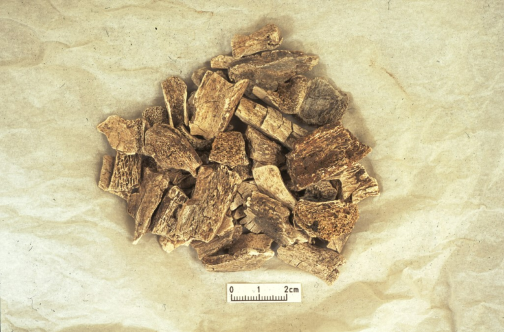
The team of archaeologists, which includes researchers from the University of York, Durham University, and the Vrije Universiteit Brussels, Belgium, examined human and animal remains from Britain’s only known Viking cremation cemetery at Heath Wood, in Derbyshire which was excavated by archaeologists from the University of York and Historic England between 1998 and 2000.
Strontium
Scientists looked at strontium isotope ratios in the remains of two adults, one child and three animals from the Heath Wood site. Strontium occurs naturally in the environment in rocks, soil and water before making its way into plants. When humans and animals eat those plants, strontium replaces calcium in their bones and teeth.
As strontium ratios vary in different parts of the world the geographical fingerprint of the element found in human or animal remains can help show where they came from or settled. -Their analysis showed that within the context of the archaeology, one human adult and several animals almost certainly came from the Baltic Shield area of Scandinavia, covering Norway and central and northern Sweden, and died soon after arrival in Britain.
The researchers say this suggests that Vikings were not only seizing horses when they arrived in Britain, as accounts from the time describe, but were also transporting animals from Scandinavia, too.
Remnants
As the human and animal remains were found in the remnants of the same cremation pyre, the researchers believe the adult from the Baltic Shield region may have been someone important who was able to bring a horse and dog to Britain.
The analysed remains are associated with the Viking Great Army, a combined force of Scandinavian warriors that invaded Britain in AD 865.
Warriors
Professor Julian Richards, of the Department of Archaeology, University of York, who co-directed the excavations at the Heath Wood Viking cemetery, said: “The Bayeux Tapestry depicts Norman cavalry disembarking horses from their fleet before the Battle of Hastings, but this is the first scientific demonstration that Viking warriors were transporting horses to England two hundred years earlier.
“It shows how much Viking leaders valued their personal horses and hounds that they brought with them from Scandinavia, and that the animals were sacrificed to be buried with their owners.”
Tessi Löffelmann, lead author and researcher from Durham University, and the Department of Chemistry, Vrije Universiteit Brussels, said: “Our most important primary source, the Anglo-Saxon Chronicle, states that the Vikings were taking horses from the locals in East Anglia when they first arrived, but this was clearly not the whole story, and they most likely transported animals alongside people on ships.
“This also raises questions about the importance of specific animals to the Vikings.”
Rituals
Among the animal remains were the cremated remains of a complete horse and dog and a fragment of what the archaeologists say was possibly a pig.
While the researchers say their findings suggest the horse and dog were transported to Britain, it may be that the pig fragment was a gaming piece or another talisman or token brought from Scandinavia, rather than a live pig. The remains had been cremated and buried under a mound, which the researchers say could be a link back to Scandinavian rituals at a time when cremation was absent in Britain.
Further information
The findings are published in the scientific journal PLOS ONE.