Cloud computing hub to launch with £2m EPSRC funding
Posted on Friday 3 March 2023

The Hub, part of a £6m investment by the Engineering and Physical Sciences Research Council (EPSRC), will bring researchers together to drive innovations in cloud computing systems, linking experts with the wider academic, business and international communities.
Future communication
The team behind the initiative - called Communications Hub for Empowering Distributed Cloud Computing Applications and Research (CHEDDAR) - believes it is imperative that new communications systems are built to be safe, secure, trustworthy, and sustainable, from the tiniest device to large cloud farms.
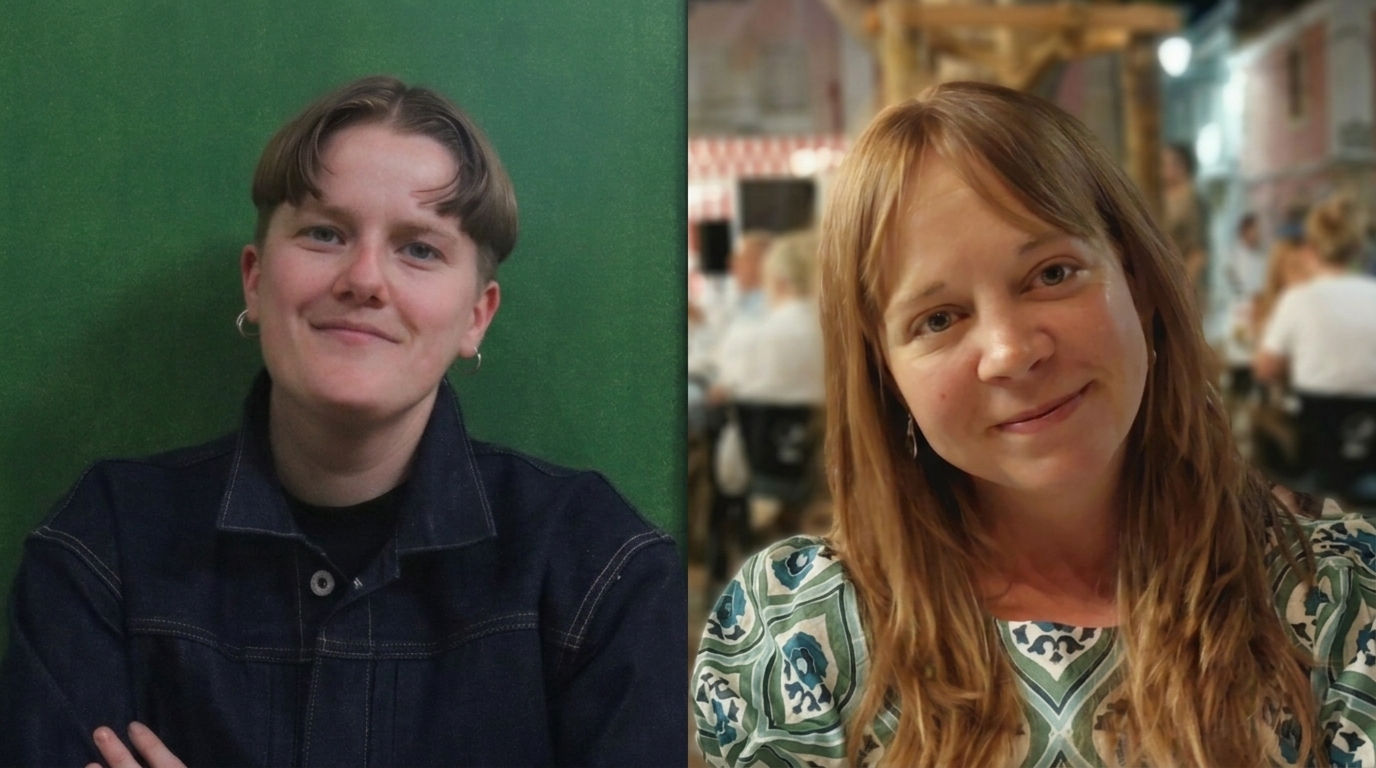
Co-lead of the new hub, Dr Poonam Yadav, from the University’s Department of Computer Science, said: “The three communication hubs from EPSRC is a much-needed and timely initiative to bring cohesive and interoperable current and future communication technologies to enable emerging AI, neuromorphic and quantum computing applications.
“CHEDDAR is strongly built on the EDI principle, providing early career researchers opportunities to engage with far-reaching ideas along with national and international academic and industry experts.”
Industry
Jane Nicholson, EPSRC’s Director for Research Base, said: “Digital communications infrastructure underpins the UK’s economy of today and tomorrow and these projects will help support the jobs and industry of the future.
"Everybody relies on secure and swift networking and EPSRC is committed to backing the research which will advance these technologies.”
Goals
Led by Imperial College London, and in collaboration with partners from the universities of Cranfield, Leeds, Durham and Glasgow, the goals of CHEDDAR are to:
- Develop innovative collaboration methods to engage pockets of excellence around the UK and build a cohesive research ecosystem that nurtures early career researchers and new ideas.
- Inform the design of new communication surfaces that cater to emerging computing capabilities (such as neuromorphic, quantum, molecular), key infrastructures (such as energy grids and transport), and emerging end-user applications (such as autonomy) to answer problems that we cannot solve today.
- Create integrated design of hierarchical connected human-machine systems that promote secure learning and knowledge distribution, resilience, sustainable operations, trust between human and machine reasoning, and accessibility in terms of diversity and inclusion.
- Co-develop regional case studies that reflect the diverse challenges faced by different industries and societies across the UK.
Professor Julie McCann, from Imperial College London, said: “CHEDDAR will drive research and networking across the UK academic community to facilitate the connection of UK excellence, early career researchers, and brave new ideas in this field.”