Animal-assisted interventions can be positive for people’s health - but more research is needed
Posted on Wednesday 18 December 2019
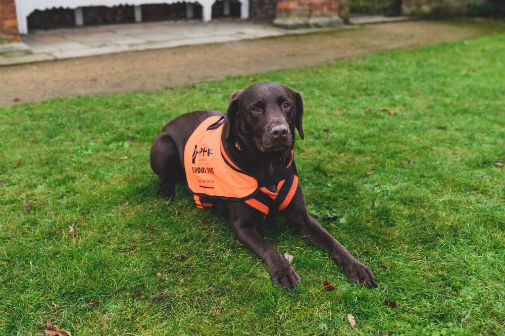
Dr Elena Ratschen from the Department of Health Sciences, commenting in an editorial for the BMJ, also says more consideration needs to be given to animal welfare when involving animals of various species in therapeutic activities. The use of virtual reality interventions and robotic pet use should be explored in some contexts.
Rehabilitation
Healthcare settings such as acute inpatient wards, rehabilitation and psychiatric units, hospices, and dementia care homes open their doors to animals and their handlers every day, aiming to improve patient wellbeing.
Animal-assisted interventions are rapidly expanding in the UK but are largely unregulated. In animal-assisted therapy, a specifically trained animal is incorporated systematically in a treatment plan delivered by a healthcare professional. By contrast, animal-assisted activities are usually led by volunteers and focus more broadly on the presence of an animal, offering opportunities for patients to engage with the animal spontaneously, e.g. during dog visits to hospital ward.
Most animals used in therapy sessions and visits are dogs, although horses, cats, rabbits, guinea pigs and other species can also be found. Many handlers are pet owners volunteering for charities, but some NHS trusts now employ their own therapy teams with highly trained dogs and expert handlers.
Scientific studies have reported promising findings for a range of psychosocial, emotional, and physiological outcomes when animal-assisted interventions have been used. For example, evidence suggests that weekly animal-assisted activities with dogs—such as stroking, playing with, and talking to or about the dog—can have positive effects on the behavioural and psychological symptoms of dementia. However, the scientific evidence related to animal-assisted interventions in healthcare is overall limited, which poses a potential problem in view of expanding practice.
Not fully understood
Dr Ratschen said: “The human-animal bond is powerful. Generating robust evidence on how best to harness it could result in substantial gains for patients and health services. Conversely, failure to advance the evidence base is likely to result in waste of scarce resources and poor, potentially unethical, and harmful practice.
“Animal assisted interventions are inherently complex, involving highly individualised interactions between the recipient, the animal, health and social care professionals, and potentially the handler. These complexities are not fully understood. A more thorough understanding of the conditions within which animal assisted interventions can be provided most safely, effectively, cost effectively, and ethically is needed along with identification of the contexts in which virtual reality or robotic pet interventions offer potential alternatives.
Training requirements
Professor Sheldon added: “The suitability of different animal species, how to select individual animals within species for example, based on character traits, and training requirements for different contexts should also be explored, along with optimal monitoring of animal welfare and related risk.
“Although tools to measure or monitor welfare and risk in interventions with dogs are now emerging, further work across species is needed urgently.”
The University of York, in close collaboration with partner organisations, is working towards developing a national centre for human-animal interactions and health research.
Further information
For more information about the project, Human-Animal Interaction and Mental Health at the University of York click here