Strawberries safe for children with cancer
Posted on Friday 23 February 2018
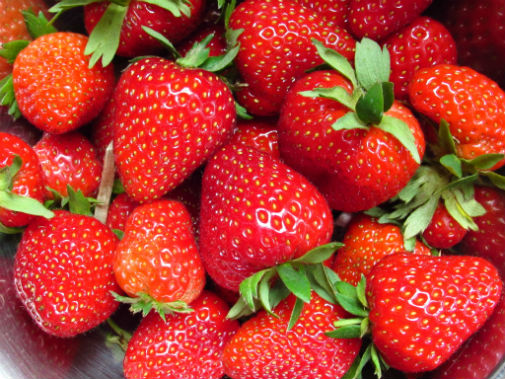
Strawberries have been seen as particularly risky food for children undergoing chemotherapy.
Cancers such as leukaemia that commonly affect children are often treated with intense chemotherapy. Because the treatment weakens the immune system, children are often advised to follow a “neutropenic” diet which aims to limit exposure to germs carried by food by avoiding anything uncooked.
Strawberries have been seen as particularly risky by proponents of the method because of their pitted surface in which bacteria can hide.
However, the new research, which reviews multiple studies into the effectiveness of the neutropenic diet, has found that sterilising food makes no difference to infection rates and is harmful to the quality of life of children with cancer.
The researchers are now calling for a switch in emphasis to focus on making food safe rather than sterile.
Quality of life
Lead author of the review, Dr Bob Phillips from the Centre for Reviews and Dissemination at the University of York, said: “We suggest that dietary guidelines for child cancer patients should contain advice on avoiding foods that are high risk for food poisoning – much like existing guidelines for pregnant women. Our review shows that supporting nutrition for children with cancer is important, but that the neutropenic diet offers children less nutrients, reduces their quality of life by making food tasteless and does not reduce infections.”
The neutropenic diet became popular in the 1970s when health professionals began to recommend boiling, zapping and cooking food for children with cancer to kill any bacteria on it. It is still widely recommended across Europe and by some health services in the UK.
Intensive chemotherapy
There are about 25 major types of cancer that affect children. Unlike in adults, surgery alone is an uncommon treatment, with many children having intensive chemotherapy. The doses of chemotherapy they receive are often more intensive than adult cancer patients would be able to withstand.
Dr Phillips added: “Our recommendations would make a small, but important difference to the lives of children with cancer by allowing them to eat a more normal diet”.
“Let them eat strawberries”: Dietary restrictions for children with cancer is published in Paediatric Blood and Cancer.