
Entrepreneur Michaela Shaw is the founder of Community Bees CIC, a social enterprise dedicated to supporting people who feel forgotten—those affected by hoarding disorder, mental health challenges, loneliness, and isolation.
Community Bees provides compassionate, hands-on support through regular face-to-face contact, purposeful activities, and practical help to create safer homes and rebuild confidence. Alongside this, the organisation works tirelessly to challenge stigma by raising awareness in the media, hosting community events, and educating workplaces about the hidden struggles many people face.
A year ago, Michaela opened the Community Hub at Clifton Moor, which has since grown into a vibrant, welcoming space. Here, pre-loved clothes, furniture, and household items are sold and upcycled, promoting sustainability while providing affordable essentials for those in need. The hub also runs crafting sessions, upcycling workshops, and community support activities, making it a cornerstone of inclusion and wellbeing in York.
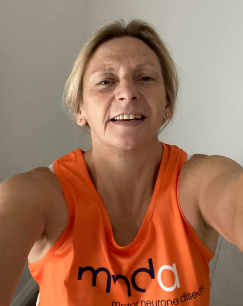
Michaela’s Journey
Michaela’s path to entrepreneurship was built not through university, but through life experience, vocational qualifications, and community work. Before founding Community Bees, she served as CEO of a charity helping people into higher education through work-based training.
When that charity closed, Michaela continued working one-to-one with people facing loneliness and isolation. A turning point came when she met someone struggling with hoarding. Welcomed into their home, she witnessed the devastating effects on their mental health, safety, and wellbeing. Their plea for help, coupled with the lack of support from existing services, exposed a hidden crisis—and inspired Michaela to take action.
That moment became the spark for Community Bees CIC: a safe, non-judgemental service built on compassion, trust, and a refusal to let anyone be left behind.
Challenges
One of the hardest challenges Michaela has faced has been getting hoarding recognised as a serious issue by local authorities. For years, it was dismissed as clutter or a lifestyle choice, rather than the trauma-linked condition it truly is. This made securing long-term funding and formal recognition extremely difficult.
Michaela overcame these barriers by building partnerships, raising awareness, and amplifying the voices of those directly affected. Through persistence, she and her team have helped shift local perceptions, ensuring hoarding is now recognised within adult social care as a legitimate mental health concern.
On a personal level, advocating in the face of stigma was emotionally draining. But breaking down misconceptions—showing that this work is about dignity, safety, and mental health rather than “mess”—has become one of Community Bees’ proudest achievements.