
Unmasked: The Hidden Mechanism Behind MenB Meningitis's Deadly Disguise
Posted on Friday 26 June 2026
Meningitis B is a highly aggressive infection caused by the Neisseria meningitidis group B bacteria, leading to inflammation of the brain and spinal cord membranes (meningitis) or blood poisoning (septicaemia). It is the most common cause of bacterial meningitis in the UK, having led to several recent major outbreaks, and requires immediate medical attention
The human immune system usually hunts down harmful bacteria, but Neisseria meningitidis serogroup B have clever ways of blindsiding our defences.
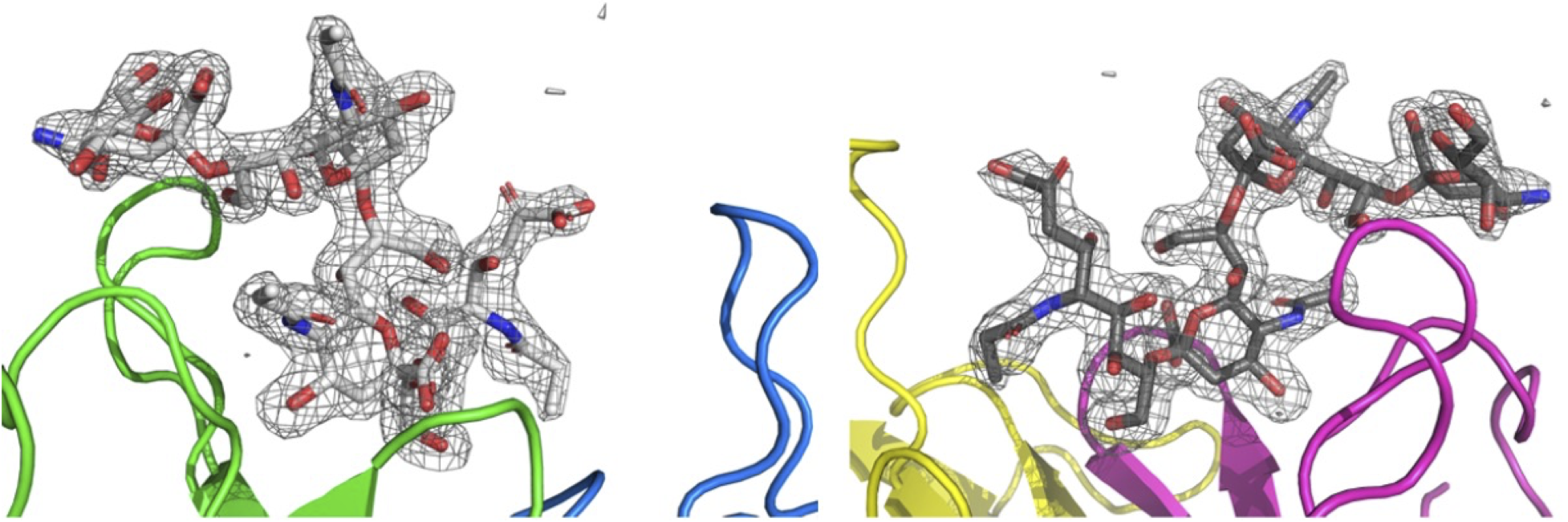
Normally, MenB hides behind a thick coating of complex sugars that mimic our own cells. However, this study proves the bacteria also utilise a rare, modified version of these sugars called dPSA. Using X-ray crystallography, the team composed of Gregory Moe (Saccharo Inc., USA), Jon Agirre (University of York, UK), and Peter Beernink (UCSF, USA) captured a high-definition 3D map of this elusive molecule as pinned down by SEAM 3, a humanised antibody.
They discovered that dPSA, the rare modified sugar, acts as a physical key that slots perfectly into specific "off switches" (called Siglec receptors) on our white blood cells. When the bacteria encounter these immune cells, the dPSA forces them to stand down and stops them from sending out chemical alarms. By unmasking this molecular trick, researchers have gained unique insight into the secrets of MenB. This knowledge also provides a potential blueprint for designing smarter vaccines. It is also known that many aggressive human cancers such as melanoma and neuroblastoma overproduce dPSA, and hence understanding these interactions with immune cells may help develop new cancer therapies.
Notes to editors:
The work has been published in the Journal of Biological Chemistry