Skip to content Accessibility statement

Programming mistletoe to engineer plant-to-plant communication

Context

Parasitic plants form remarkable biological connections with their hosts, creating vascular interfaces through which water, nutrients and molecular signals can move between plants. These naturally occurring connections offer an opportunity to explore whether communication between plants can be understood, engineered and ultimately programmed.

The Research

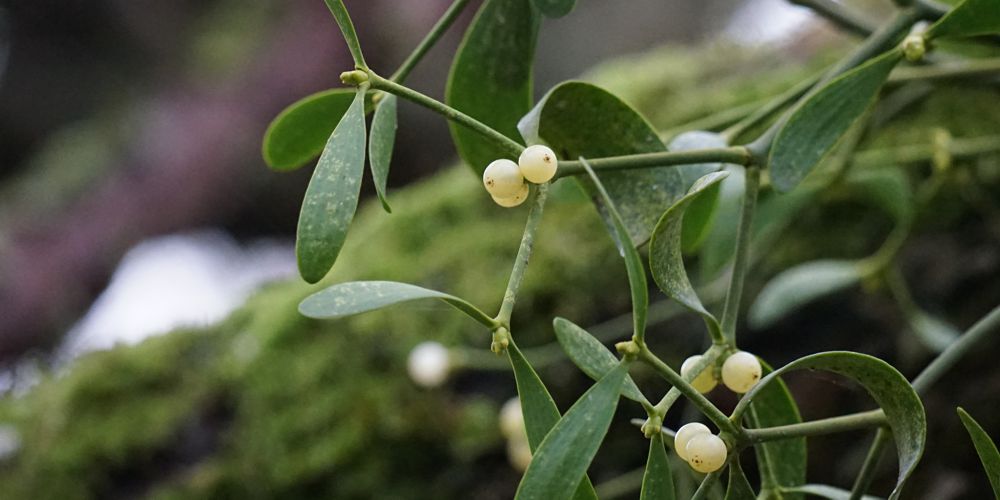
Using European mistletoe (Viscum album) as a model, we are investigating how the parasite establishes communication with its host and what molecules can move across the mistletoe-host interface. Our work combines graft-interface biology, imaging, transcriptomics, regeneration and genetic engineering to understand and manipulate this communication system. We are developing the tools and resources needed to establish mistletoe as an experimentally tractable and engineerable system, including methods for host-free growth, regeneration, and transient and stable genetic transformation. Ultimately, we aim to engineer mistletoe as a programmable living interface capable of sensing, communicating with and potentially modifying the physiology of its host. This could establish a new paradigm for plant engineering, in which programmable plant organisms deliver biological functions to crops without requiring permanent genetic modification of the host plant.

Featured researcher

Pallavi Singh

Dr Singh’s research focuses on understanding and engineering how plants capture carbon, use water and communicate across biological interfaces to develop more resilient and resource-efficient crops.

View profile