
People

Department of Archaeology
A world-renowned department, exploring the breadth of the human past and pioneering a future in sustainable heritage.
.jpg)
Our research
.jpg)
Groundbreaking research tackling global issues.
At York, we combine cultural approaches and scientific analysis. We challenge issues from the origins of human behaviour to contemporary heritage management.
Our research has taken us from Yorkshire - the Mesolithic site of Star Carr - to international projects in Africa, through to innovations in digital heritage.
We host several international research centres producing impactful research across the breadth of archaeological and heritage study.

Our Department is recognised internationally as one of the best places to study archaeology and heritage and we tackle global issues that are both important and challenging. I really love working at York, not only because staff are so passionate about their work but also because the Department of Archaeology is a really friendly place to be!
Professor Louise Cooke, Head of Department
News

News
The Department of Archaeology at the University of York is now inviting expressions of interest for the Leverhulme Trust Early Career Fellowships.
News
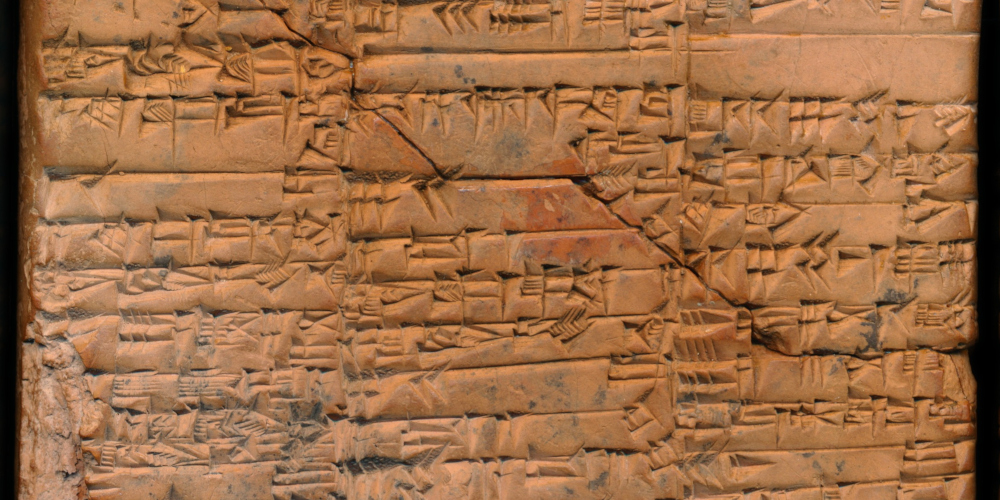
Émilie Pagé-Perron of the Archaeology Data Service is co-author of an Arabic-language introduction to the Cuneiform Digital Library Initiative, published in an Iraqi archaeology journal.
News
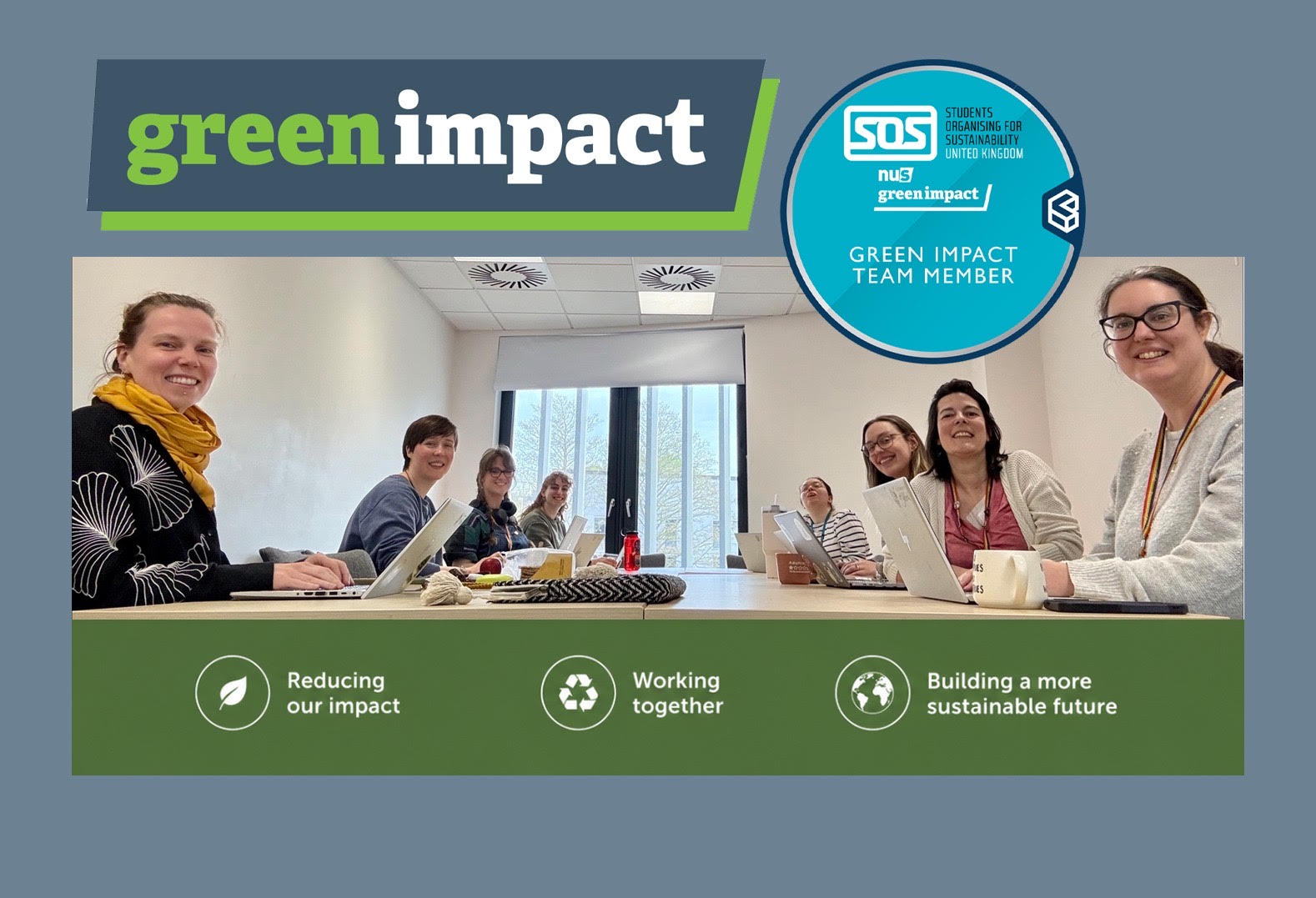
The BioArCh Green Impact team's efforts to reduce the environmental impact of the work carried out in the labs has been recognised through the Green Impact Laboratory Accreditation.
News
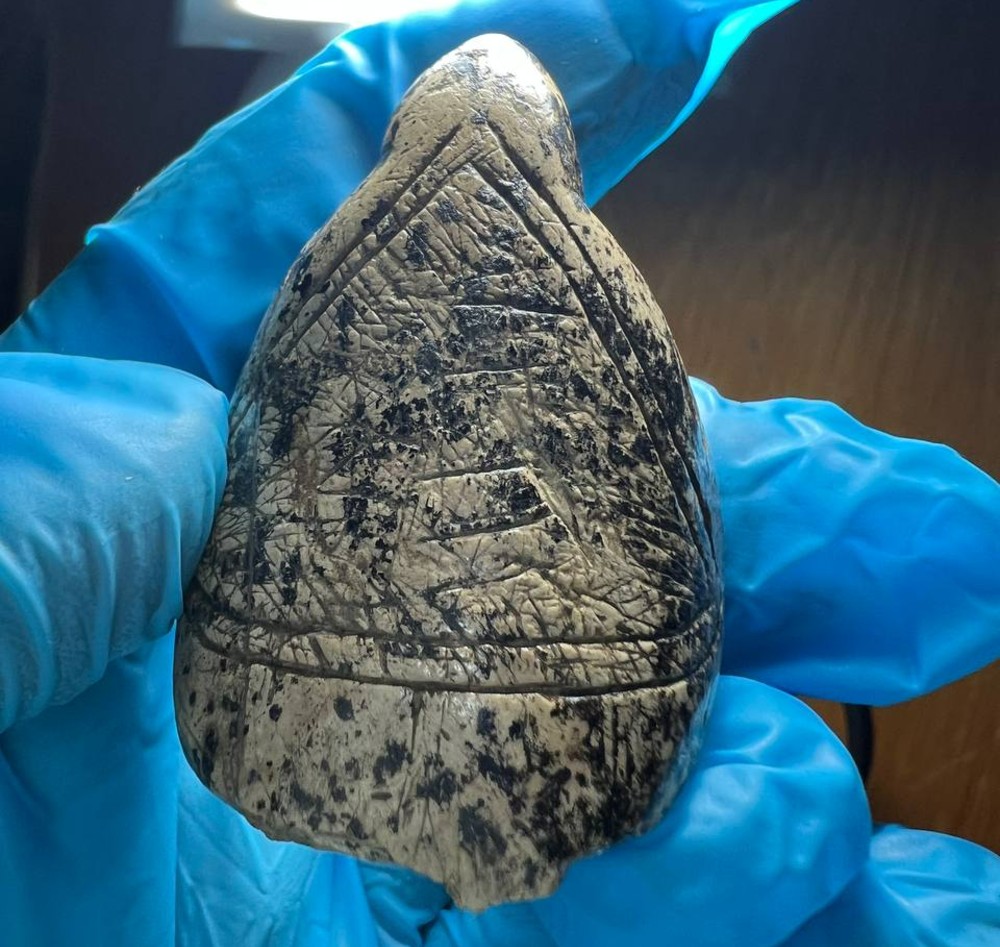
Intricate designs engraved across the surface of 18,000-year-old female figurines carved from mammoth ivory were inspired by the distinctive growth patterns visible in the tusks, a new study has revealed.
Events

Event
Explore Palestinian audio history with the Palestinian Sound Archive. This event features an introduction, short documentary, talk, DJ set, and vinyl/merch sales exploring music as resistance.
Information for...
