

Tackling Eco-anxiety Through Environmental History
Context
How can we support young people who are experiencing eco-apathy or eco-anxiety?
We tell a story of the twentieth and twenty-first century which focusses on environmental degradation through expanding outputs of greenhouse gasses, the use of toxic chemicals, and so on. While the consequences of these things are real and significant, our accounts have tended to marginalise the ways in which environmental harms have been reduced or managed in the past.
Aims and Objectives
This project will explore the value of looking at examples of successful environmental interventions such as the 1956 Clean Air Act. It will partner with York Explore and other groups in the city to explore ways of using local archives to produce new histories of environmental change.
Project Outputs
We commissioned a detailed report on the steps needed to make key environmental action archives at York Explore Library and Archives accessible to researchers and the public. This included an expert assessment of the time, skills, and costs involved.
We also conducted a pilot session exploring the potential of environmental history to address eco-anxiety. A group of participants engaged with archival materials, and we evaluated their reactions to this material and how it impacted their sense of wellbeing
In addition, we held productive meetings with potential project partners. These activities have directly informed a forthcoming grant application. The support from the YESI Knowledge Exchange Fellows scheme has been instrumental in developing our proposal.
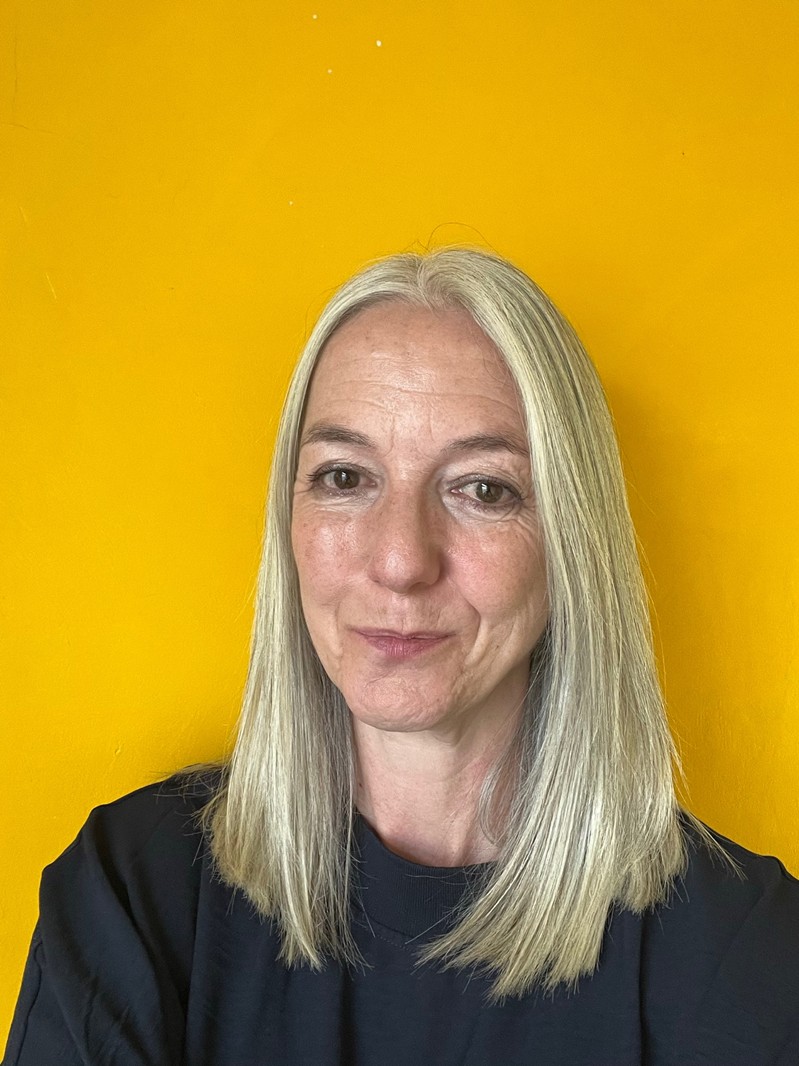
It really is no exaggeration to say that we would be not have been able to make serious progress with our Grant idea without this funding. It was crucial. We really appreciate the fact that this funding has supported the more speculative type of work that we needed to do - it was an incentive to creativity.
- Dr Sabine Clarke
Project Partner

Principal and Co-Investigators
Principal Investigator
Sabine Clarke, Department of History
Co-Investigators
Will Tullett, Department of History
Victoria Hoyle, Department of History
Peter Coventry, Department of Health Sciences
Lynda Dunlop, Department of Education
Katherine Brookfield, Department of Environment and Geography