Skip to content Accessibility statement

Connecting science, policy and communities

Exchanging knowledge on ecosystem services for climate resilience

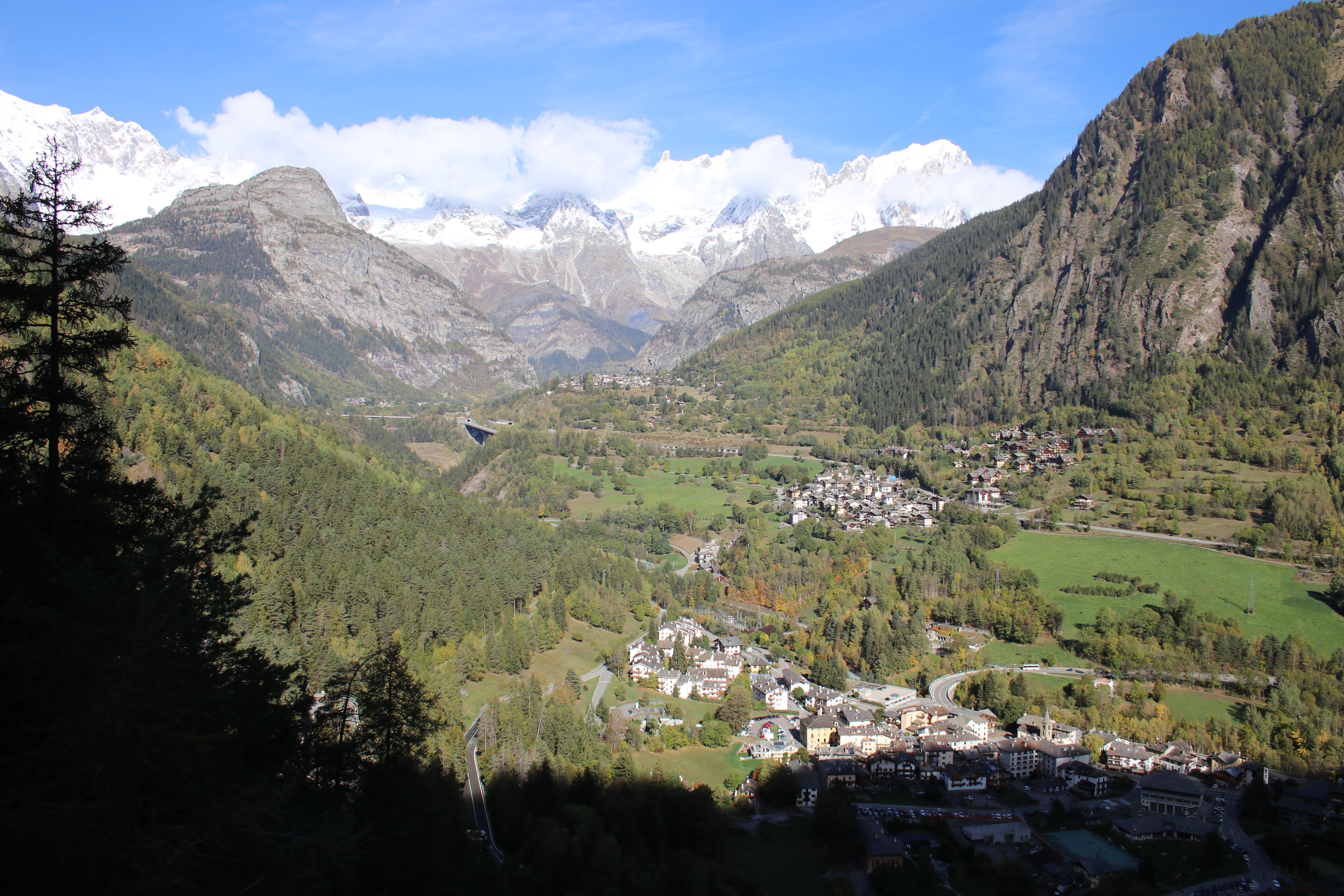
This project aims to help people better understand how nature supports daily life in the Italian Alps (Aosta Valley) and how climate change could affect these benefits in the future. By connecting scientific research with policy and local knowledge, the project seeks to support more informed decisions and encourage community engagement in climate resilience.

Aims and Objectives

First, the project will map key ecosystem services across the region, such as water supply, flood protection, biodiversity, and cultural benefits. This will create an accessible overview of where these services are provided and how they relate to different landscapes, such as forests, grasslands, glaciers, and urban areas.

Second, the project will work with local residents, practitioners, and organisations to explore how people perceive climate change and its impacts on nature and livelihoods. Through interactive workshops, participants will learn about ecosystem services and discuss what changes they are observing, what they value most, and what trade-offs they see between different land uses and environmental goals.

Finally, the project will share findings with the Regional Environment Agency (ARPA Valle d’Aosta), policymakers, researchers, and the wider public. This will include academic research, policy discussions, and a public cultural event designed to engage communities and spark dialogue about nature, climate change, and everyday life.

Overall, the project aims to strengthen links between science, policy, and communities, helping to build awareness, inform planning, and support more resilient and sustainable futures in mountain regions.

Principal and Co-Investigators

Principal Investigator

Nicola Favretto, Department of Environment and Geography

Co-Investigator

Carolyn Snell, School for Business and Society


Project Partner