Skip to content Accessibility statement

Urban Green Spaces as Nature-Based Health Interventions

Pathways Toward a Climate-Resilient and Sustainable Lahore

Context

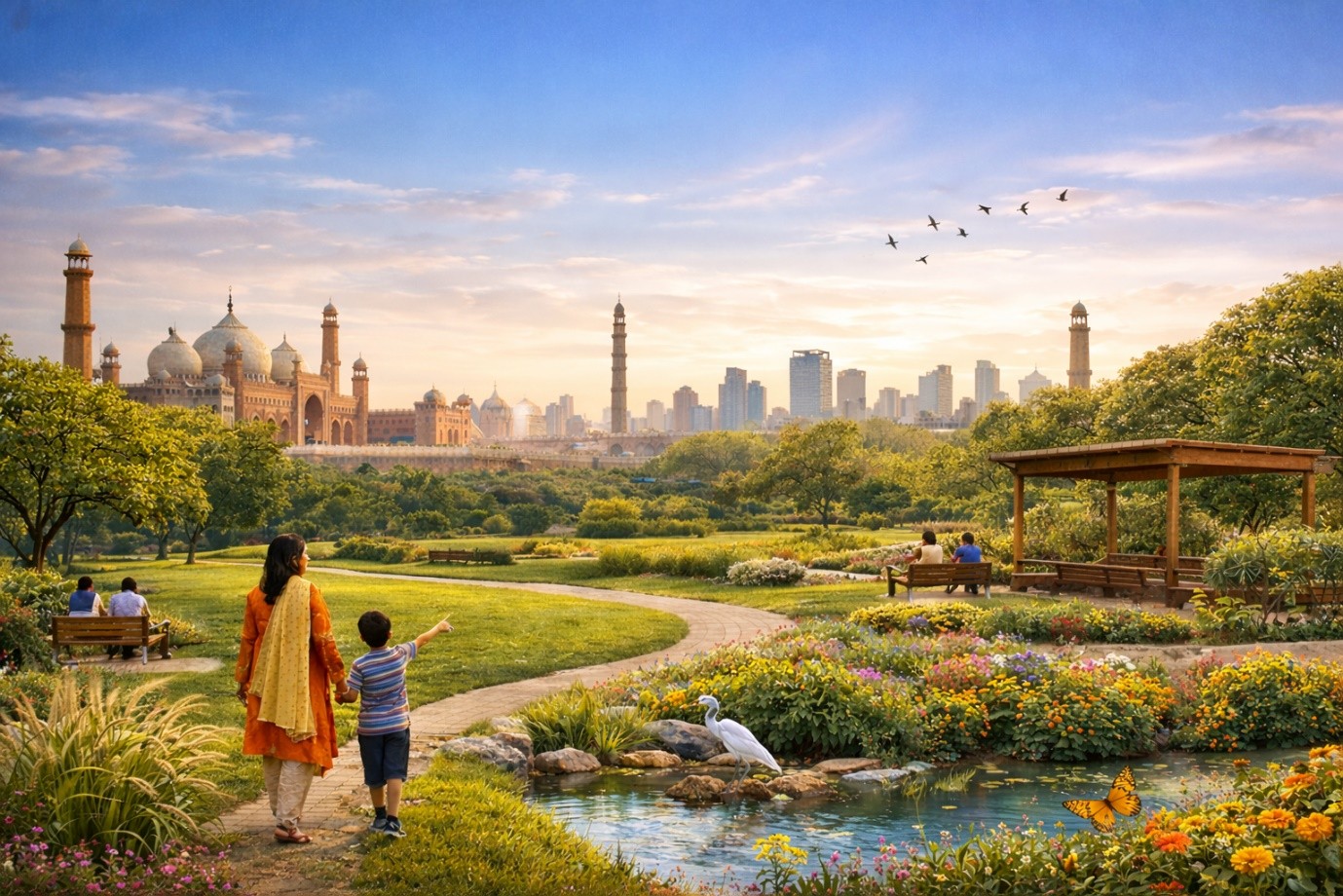
Urban green spaces are important for many reasons. They help to cool urban areas and reduce air pollution, they can contribute to food security and reduced flood risk, and they also provide spaces for recreation and socialising. This wide range of benefits means that urban green space is beneficial for the health and wellbeing of urban residents. Personal health and wellbeing benefits can be enhanced by ensuring that urban green spaces are accessible and high quality in terms of facilities and the natural environments they provide.

Lahore is traditionally well-known as the "City of Gardens”, but rapid urbanisation has had adverse effects on its green spaces and reduced their accessibility to many residents. The loss and degradation of green spaces in the city is detrimental not only to the city's environment, but also to the health and wellbeing and heritage of its residents. This research will improve our interdisciplinary understanding of how urban green spaces help to mitigate climate-induced health risks, improve environmental quality, and contribute to more sustainable approaches to planning for a climate-resilient and healthy Lahore.

This research is being undertaken to address these critical gaps. By examining how urban green spaces function as nature-based interventions, the study seeks to identify their role in reducing environmental risks, improving human well-being, and strengthening climate resilience in Lahore. The project aligns with global sustainability agendas, particularly SDGs 3 (Good Health and Well-Being), 11 (Sustainable Cities and Communities) and 13 (Climate Action), and aims to provide evidence-based insights to support urban planning, policy development, and sustainable city management.

Aims and Objectives

The overarching aim of the collaboration is to assess the role of urban green spaces as nature-based interventions in improving environment and health, enhancing public well-being, and strengthening climate resilience in Lahore, with the aim of supporting sustainable and resilient urban development. The specific objectives are:

  1. To analyse spatial distribution and temporal dynamics of urban pollution islands and the urban heat island effect in Lahore.
  2. To Identify the role of urban green spaces as nature-based solutions (NBS) in mitigating urban heat intensity and reducing air pollution exposure in Lahore. 
  3. To assess NBS configurations that optimize cooling and pollution mitigation benefits under various socio-environmental constraints. 
  4. To develop outlines for a research paper and proposal for a future joint research grant to scale the work regionally. 
  5. To develop a strategy for a more durable collaboration between the University of York and the University of the Punjab, Lahore, based on co-supervision of postgraduate research students and further collaborative research projects.
University of York Collaborator

Piran White, Department of Environment and Geography
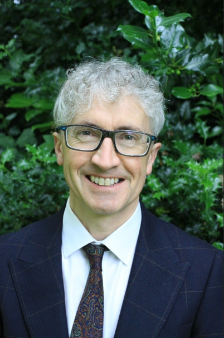
Professor Piran White, standing infront of a green hedge

Bio: Professor Piran White is Professor of Environmental Management in the Department of Environmental Geography at the University of York. He holds a BSc in Ecology and PhD in Zoology.

His research focuses on the interface between ecosystems and human and animal health and wellbeing. Much of this work is interdisciplinary across the natural and social sciences and involves collaboration with decision-makers, practitioners and industry.

He served on Natural England’s Scientific Advisory Committee (NESAC) from 2015-2023 and previously on the Independent Expert Panel on TB which reported to the Secretary of State in 2014. He has been a member of Defra’s Science Advisory Council Exotic and Emerging Animal Diseases (SAC-ED) sub-committee since 2022 and has chaired SAC-ED since January 2025.

His current research includes projects on wildlife ecology and disease, the importance of nature for biodiversity and wellbeing, the delivery of co-benefits from nature-based solutions, opportunities for finance and investment to enhance biodiversity, and the integration of data for health and environment co-benefits.

International Collaborator

Dr Muhammad Nasar-u-Minallah, Institute of Geography, University of the Punjab, Lahore, 54590, Pakistan
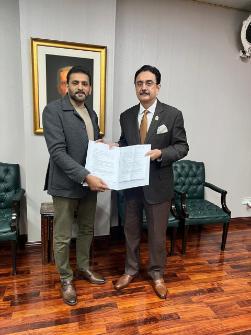
Dr. Muhammad Nasar-u-Minallah receives the YESI International Fellow Award from the Vice Chancellor of the University of the Punjab, Prof. Dr. Muhammad Ali Shah (S.I., T.I.), who congratulated him on this achievement.

Dr. Muhammad Nasar-u-Minallah receives the YESI International Fellow Award from the Vice Chancellor of the University of the Punjab, Prof. Dr. Muhammad Ali Shah (S.I., T.I.), who congratulated him on this achievement.

Bio: Dr Muhammad Nasar-u-Minallah is an Associate Professor of Geography at the Institute of Geography, University of the Punjab, Lahore, Pakistan. He holds a PhD in Geography and completed his Postdoctoral research in Urban Landscape Ecology at the Institute of Geography, Humboldt University of Berlin, Germany, in December 2022, funded by the Punjab Higher Education Commission (PHEC), Pakistan.

He is currently serving as a YESI International Fellow at the University of York (UoY), United Kingdom. His research focuses on climate resilience, environmental sustainability, environment and health, and environment–development interactions. His work explores pathways toward achieving SDG 3 (Good Health and Well-Being), SDG 11 (Sustainable Cities and Communities), and SDG 13 (Climate Action), with particular emphasis on the role of urban green spaces in addressing environmental challenges such as urban heat islands and urban pollution islands.

He applies advanced geospatial techniques to analyze urban environmental dynamics, strengthen climate resilience, and support sustainable landscape transformations in rapidly growing metropolitan regions.


Project Partner

logo of University of the Punjab

University of the Punjab

logo for the Institute of Geography

Institute of Geography, University of the Punjab, Lahore