Skip to content Accessibility statement

Energy-resilient cold chains for food security and enterprise competitiveness in Ghana

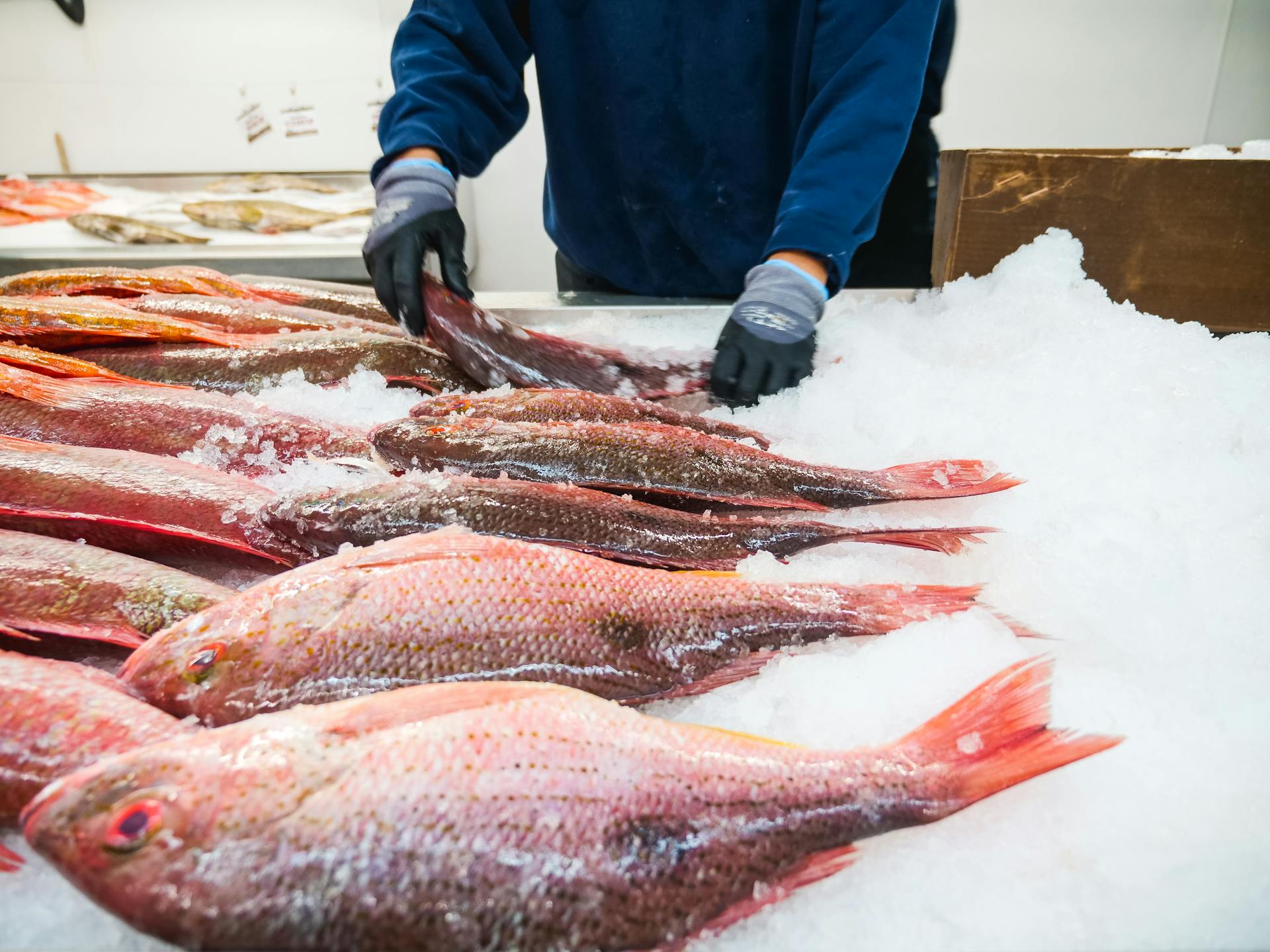
Frozen fish, chicken, and meat are vital for ensuring year-round protein availability, supporting food security, and sustaining livelihoods across Ghana’s urban and rural markets. However, the sector faces a critical challenge: an unreliable energy supply that undermines cold storage, increases waste, and reduces product quality. Furthermore, while imported frozen foods offer price stability, they often compete with local production, challenging domestic market resilience. The Asafo Meat Hub in Kumasi, which handles approximately 95% of frozen protein from the Tema Harbour, perfectly illustrates the opportunities and inefficiencies within Ghana’s cold chain.

Current research offers partial building blocks regarding hub operations and solar cold storage; yet there is a distinct dearth of research that integrates hub-based cold chains, energy-system reliability, and entrepreneurial decision-making. This fellowship bridges that gap by modelling how hubs like Asafo can enhance efficiency, competitiveness, and sustainability across the frozen food network.

Aims and Objectives

This project establishes an interdisciplinary collaboration between the University of York (UoY) and Kumasi Technical University (KTU) through the following activities:

  • Reciprocal exchange 2 weeks visit each way to allow structured engagements with relevant colleagues at KTU and UoY, and establish the grounding for follow-up, long-term collaborations
  • Joint paper writing that does not treat energy, food, or enterprise separately, but studies how energy reliability conditions supply-chain behaviour and entrepreneurial decision-making within hub-based food systems.
  • Delivery of a seminar at the UoY by the international collaborator, aimed at presenting the initial findings of the paper and gathering feedback from UK-based participants.
  • A workshop at KTU engaging local stakeholders and academics in Ghana, on challenges and opportunities facing the frozen food hubs in complementing locally produced foods to support domestic market resilience.
  • Co-develop a research funding proposal on energy-resilient innovations in Ghana’s frozen food system. The research funding proposal will be co-designed with input from primary and secondary beneficiaries through hub observations, 1-2-1 consultations and multistakeholder dialogues in Ghana.
University of York Collaborator

Professor Michael Zisuh Ngoasong, School for Business and Society

Bio: Professor Michael Ngoasong is an interdisciplinary social scientist. He has a PhD in Science, Society and Technology and experience in multi-level research addressing entrepreneurial practices in disadvantaged communities.

His research addresses entrepreneurial practices in disadvantaged communities, specifically exploring the intersection of renewable energy technology, digital innovation, and policy frameworks in Africa. This work argues that solving energy poverty requires a robust energy-ecosystem nexus, where universities, private firms, and communities collaborate through blended finance and decentralized mini-grids.

Michael is interesting in work that champions energy-as-a-service models and local innovation hubs as the primary drivers of sustainable, community-led energy transitions.

International Collaborator

Dr David Antwi, Department of Procurement and Supply Chain Management, Kumasi Technical University, Kumasi, Ghana.

Bio: Dr David Antwi is a lecturer in Supply Chain Management at Kumasi Technical University in Ghana. He has a PhD in Logistics and Supply Chain Management, where his award-winning dissertation focused on cold chain performance and food losses.

A certified Project Management Professional, David holds a prominent role on the Governing Council of the Chartered Institute of Logistics and Transport, Ghana. His impactful research and consultancy focus on agri-food sustainability and ‘last mile’ delivery in health sectors, backed by funding from USAID and the Kühne Foundation.

As a co-author of the Ghana Logistics Managers Index, he is a key voice in African logistics, frequently facilitating high-level international workshops on sustainable supply chains and cold chain management.

Project Partner