
Promoting Green Social Prescribing across Yorkshire and Humber
Aims and Objectives
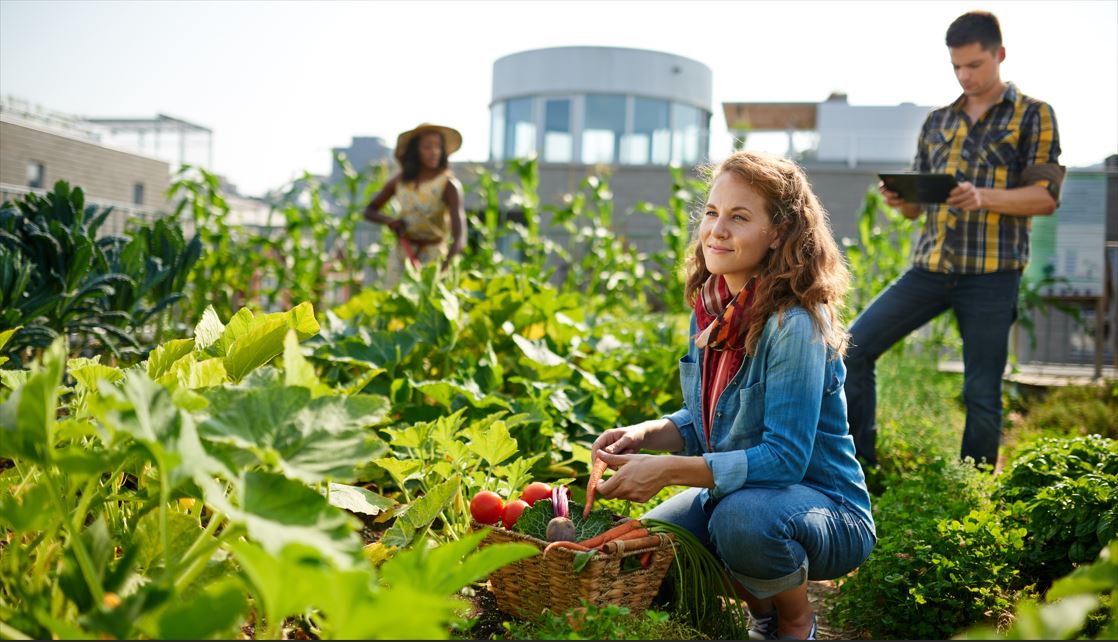
Green social prescribing (GSP) is an alternative and emerging practice whereby patients are supported to undertake nature-based activities to boost their health and wellbeing. GSP has considerable potential to enhance environmental sustainability, as well as providing beneficial health outcomes for individuals and communities. However, GP practices are reluctant to utilise this beneficial service due to lack of confidence, knowledge and awareness of GSP and how to signpost patients to it.
This project will expand an educational intervention developed by Dr Isobel Austin to GP practices across Yorkshire and Humber. It will combine interviews with GPs and other practice staff with data on prescriptions obtained from GP practice records, to determine the benefit of the intervention based in terms of increasing GP knowledge, awareness, and confidence utilising GSP, and changes in the number of GSP prescriptions made.
By evaluating the effectiveness and transferability of a simple educational intervention, the project has potential to bring high rewards in terms of the expanded use of GSP beyond the case study and inform the potential scalability of educational initiatives to benefit environment and healthcare nationwide.
Project Outputs
The Green Social Prescribing (GSP) educational intervention was a short presentation to GPs and GP practice managers, covering definitions and types of GSP as well as the benefits of GSP to patients, communities, healthcare services and environment. The talk was given by a medical professional (Isobel Austin) and tailored to GSP in North Yorkshire and the Humber.
Thirty individuals took part in the intervention, and completed questionnaires before and after the intervention, providing information around their understanding of GSP, its credibility as a therapeutic or preventive option, their confidence in explaining GSP and referring patients to GSP, and the likelihood of adapting GSP in their practice. Only 40% of participants felt they had a good understanding of GSP prior to the intervention, and this increased to 80% following the intervention. Prior to the intervention, 59% of participants felt they had no or low confidence explaining GSP to a patient, and this dropped to 7% following the intervention. Fewer than half of respondents felt confident referring a patient for GSP before the intervention, and this dropped to only 10% after the intervention. The percentage of respondents who thought that GSP could be included as part of their clinical practice increased from 62% before the intervention to 76% after the intervention.
Interviews with participants revealed the most common barriers to utilising GSP in clinical practice as:
- insufficient staff education and understanding,
- low levels of awareness of GSP, and
- a lack of local GSP projects to link in with.
Some participants also expressed concerns over the accessibility of GSP for their patients, whether that be related to transport or due to disabilities. The research highlighted the positive impact of a short educational intervention in breaking down barriers to GSP in primary care. Results support further educational interventions across a larger geographical area, to benefit patients, primary care, communities and the environment. Key actions that could help to reduce barriers to GSP include raising awareness about GSP among both staff and patients, including the development of logistical and practical guidance around GSP, as well as easier ways to identify and link with local GSP providers. A manuscript is being prepared for publication.
It has been a wonderful scheme, it gave me a fantastic opportunity to carry out a full research project on the back of a previous Quality Improvement (QI) project.
- Dr Isobel Austin
Project Partner

Principal and Co-Investigators
Principal Investigator
Piran White (Environment and Geography)
Co-Investigators
Isobel Austin (Yorkshire and Scarborough Teaching Hospitals Foundation Trust)
Rolan Schreiber (Hull York Medical School)