
Connecting blue carbon research
Aims and Objectives
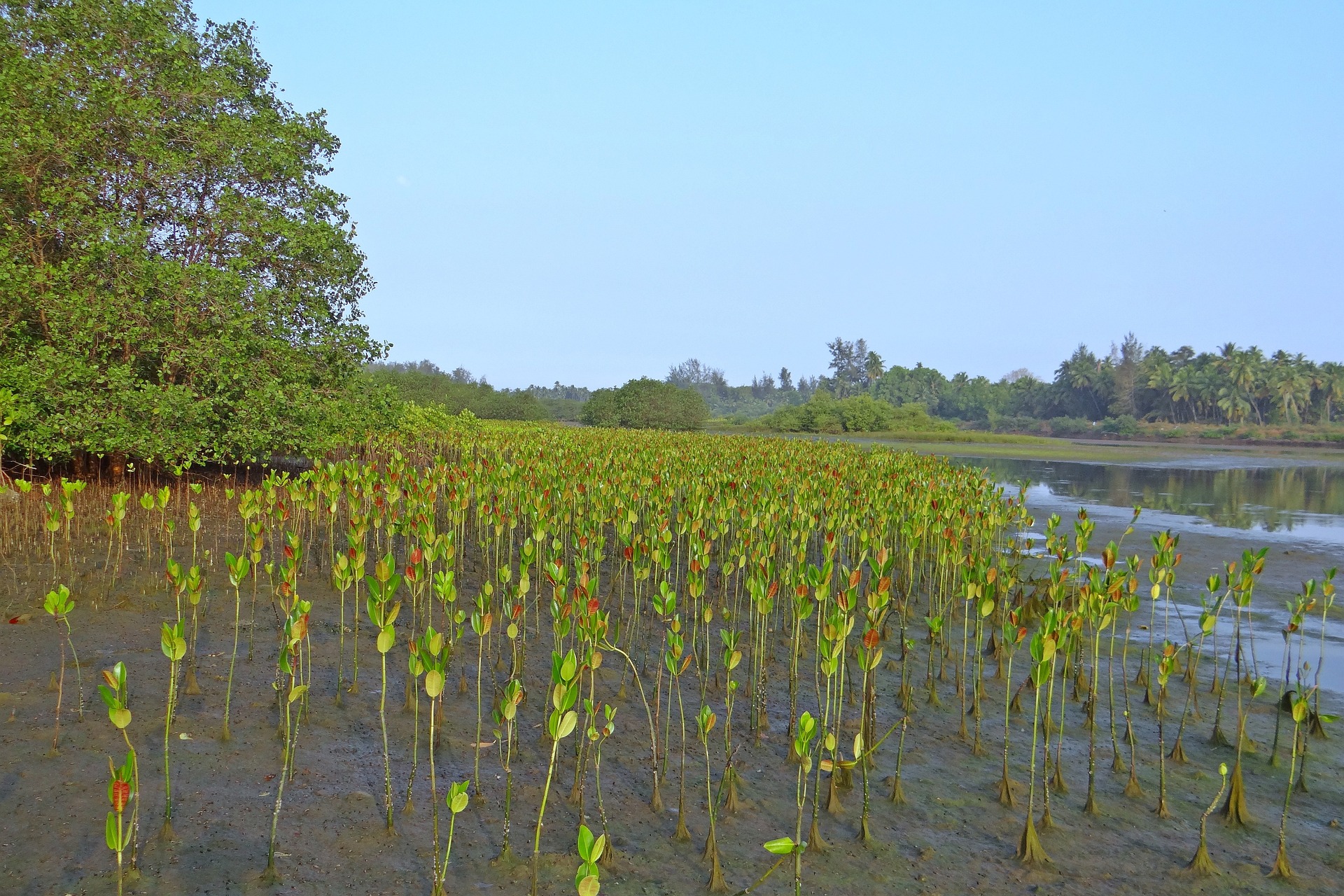
We aim to use the YESI Fellows scheme to strengthen the University of York's position as a hub of research into the role of Blue Carbon in coastal environments. Blue Carbon is where carbon is taken from the atmosphere and stored in ecosystems like salt marshes, seagrass, or mangroves. Not only do Blue Carbon ecosystems store carbon for us, but they provide a range of other benefits such as coastal storm protection or providing habitats to protect biodiversity.
We will investigate the current insights from both social and physical sciences on the use and development of Blue Carbon and where we can build bridges across both types of scientific work to address the range of problems facing coastal environments.
We plan to do this via two steps, the first is a systematic evidence synthesis of the scientific literature on how people manage natural saltmarsh and mangroves to see what we know and understand about how managing coastal areas different result in different outcomes and trade-offs (e.g., managing in a way that is good for carbon capture might be bad for rare bird habitats).
The next step is to host a workshop in Lindisfarne in collaboration with a range of stakeholders to use this knowledge and further identify the main next research steps and needs to make sure that we enable the best result for our coastal ecosystems.
Project Outputs
The Connecting Blue Carbon Research project brought together Paul Hudson, an environmental economist, and Ed Garrett, a physical geographer. Although both based in the Department of Environment and Geography, the methods that they apply to their respective research differ substantially. Nevertheless, their shared interest in ‘Blue Carbon’ - the carbon stored in intertidal and marine environments - paved the way for this collaborative endeavour with a wider team encompassing colleagues from Biology and Environment and Geography. The project involved two distinct strands:
- Conduct a systematic evidence synthesis to summarise current research on the management and uses of saltmarshes and mangroves.
- Convene a workshop featuring invited experts from academia, Natural England, CEFAS, and Finance Earth.
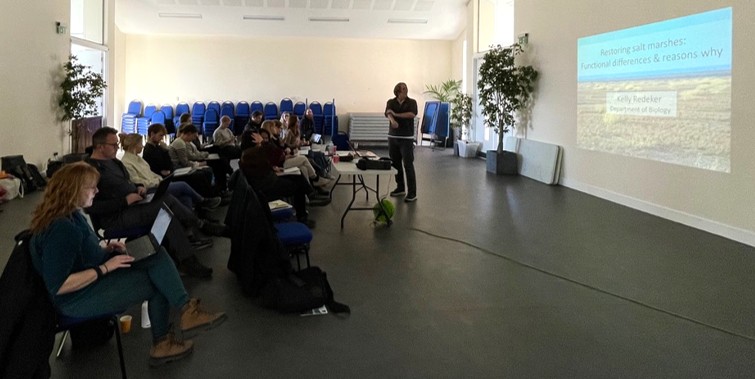
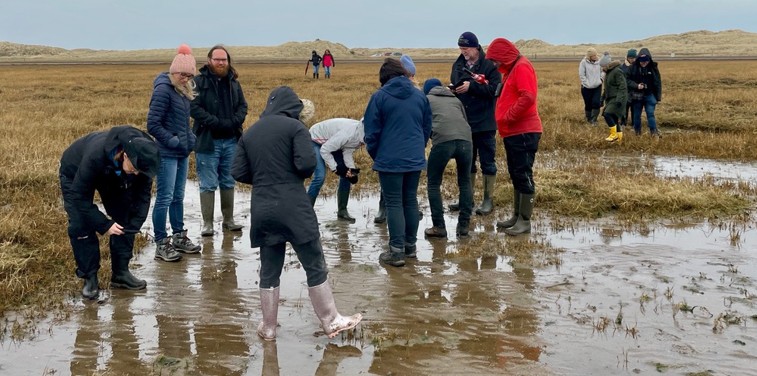
The workshop, appropriately held at Lindisfarne, a location featuring key blue carbon habitats of saltmarsh and seagrass meadows, provided an opportunity to network and discuss the latest research and policy from a range of perspectives.
Thanks to this opportunity, many of those involved in the workshop are now collaborating on a multi-million pound transdisciplinary grant proposal focussing on how blue carbon can be harnessed to generate sustainable economic and ecosystem services for coastal communities.
Lindisfarne workshop
Principal and Co-Investigators
Principal Investigator
Ed Garrett (Environment & Geography)
Paul Hudson (Environment & Geography)
Co-Investigators
Kelly Redeker (Biology)
Rob Marchant (Environment and Geography)
Rebecca Dunn (PhD student, Environment and Geography)
Lucy McMahon (PhD student, Environment and Geography)
The funding from the YESI Fellows scheme allowed us to engage with the larger coastal community across the UK, providing useful and compelling links between academia, conservation minded groups, and land managers. We are in process of building upon these conversations to apply for further multi-/trans-disciplinary funding.
- Dr Kelly R. Redeker