Skip to content Accessibility statement

Climate-resilient agriculture

Linking yield modelling to human responses to climate change

Context

Rising global temperatures, shifting precipitation patterns, and severe weather events are dramatically altering agro-climatic zones, influencing crop choices worldwide. While regions like Northern Europe become increasingly suitable for farming, others, such as Eastern Europe, are experiencing drying conditions. Plants adapt through two main strategies: plasticity (adjusting to current stressors) and bet-hedging (preparing for future stressors). However, these mechanisms are often overlooked in crop models, along with human responses, creating challenges in effectively communicating findings to policymakers.

Aims and Objectives

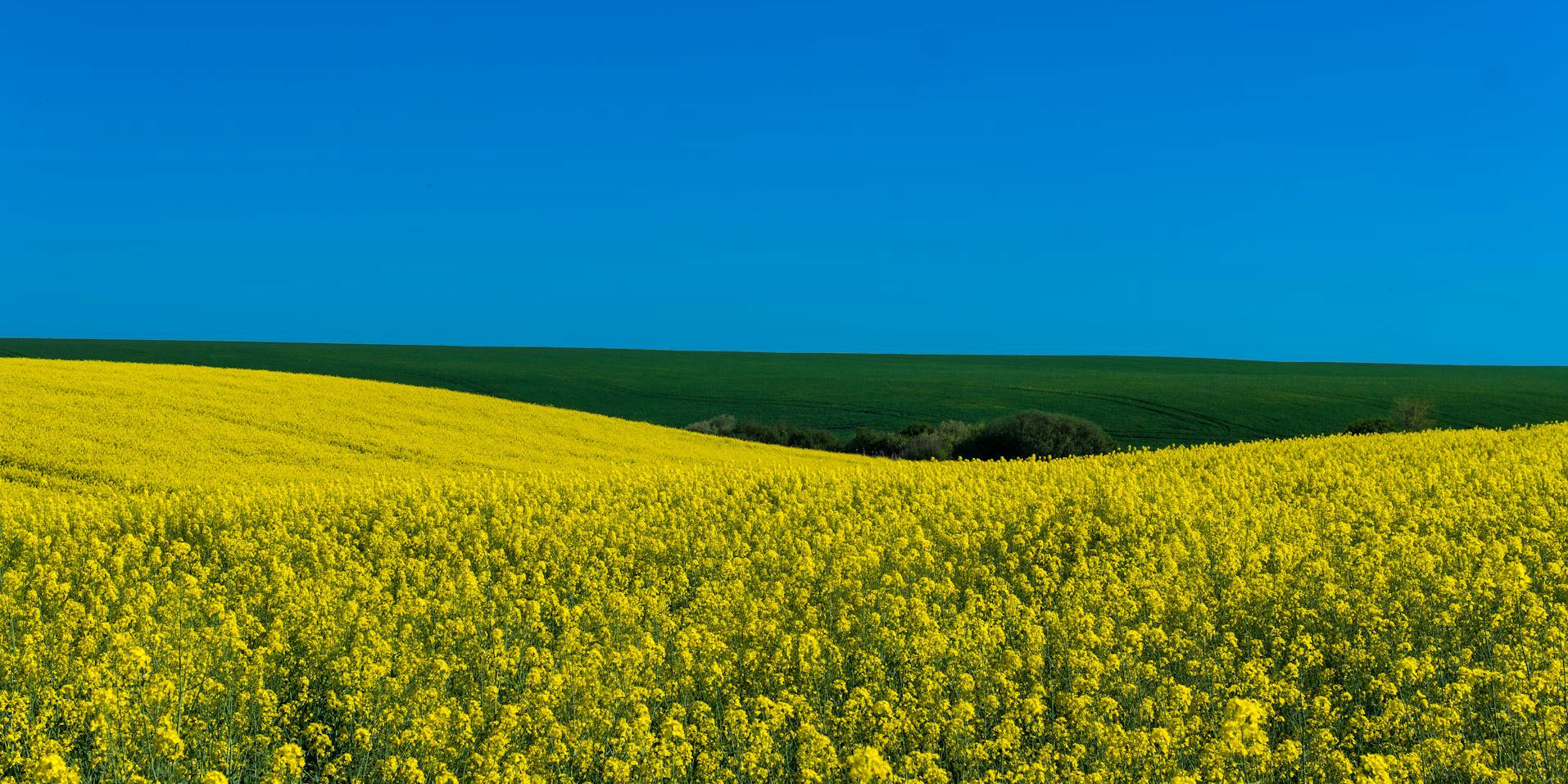
This project aims to predict the yield impacts of shifting geographic ranges for two oilseed rape varieties under alternative climate scenarios. By incorporating plasticity and bet-hedging into crop models, the outcomes will inform inclusive and climate-resilient strategies for agricultural land use. The project integrates human geography and biology, fostering true interdisciplinary collaboration. Key activities include:

  • DEVELOPING YIELD MODELS: Adapting complex yield models for two oilseed rape varieties to simulate yields under varying climate conditions.
  • INTEGRATING SOCIAL SCIENCE INTO BIOLOGICAL RESEARCH: Enhancing model relevance by incorporating qualitative data on human responses to climate change.
  • LINKING MODELS TO DECISION-MAKING TOOLS: Translating model outcomes into actionable, socially inclusive land-use strategies.

Interdisciplinary Collaboration

A social scientist exploring horticulture and modelling: Dr. Favretto, an expert in socio-environmental policy, will expand his expertise by engaging in experimental horticulture, R programming, and statistical analysis. After participating in a data science bootcamp, he will adapt existing models of plasticity and bet-hedging to oilseed rape, using pre-collected data and contributing to fieldwork and physiological measurements.

A quantitative biologist integrating social data: Dr. Ezer, experienced in plant biology and big data analysis, will integrate qualitative data collected from interviews with farmers and stakeholders, guided by Favretto’s expertise. This will ensure the model reflects real-world social dynamics and climate resilience strategies.

Outcomes

This collaboration will result in a joint research paper combining biological and social sciences, enhancing interdisciplinary skills for both researchers. The project will establish a foundation for future large-scale studies, advancing climate-resilient agriculture and fostering innovative research methodologies across disciplines.

The quotes from the farmers shaped my entire conceptual framework of climate adaptation in plants. Many of the clear-cut categories of climate change impacts that we discuss in plant science are actually continuums that are difficult to distinguish on-the-ground.

- Dr Daphne Ezer

Project Outputs

We recently delivered two informative training sessions as part of our YESI Discipline Hopping Fellowship.  The first, “Beyond the Lab: Using Qualitative Data and Stakeholder Engagement to Advance Bioscience,” was presented by Nicola (Environment and Geography) to Daphne and her department’s biologists, including Prof. Seth J. Davis, Chair of Plant Biology.  This session explored techniques for stakeholder mapping and engagement, along with generating and analyzing qualitative data to support bioscience research.

The second training session, led by Daphne, focused on “Modeling Software for Social Science Research.” This introduced the fundamentals of building models in R to Nicola. 

Together, we developed a preliminary model simulating how plants and farmers respond to climate change, integrating both plant science and social perspective variables.  Daphne will continue refining this model, which will be featured in our upcoming paper: “Transdisciplinary Paths to Resilient Agriculture: Bridging Plant Science and Human Decisions.”

This collaboration continues to be highly valuable for both of us. The growing mutual understanding is already enhancing our current transdisciplinary work and opening opportunities for future collaboration.

- Dr Nicola Favretto

Principal and Co-Investigators

Principal Investigator

Nicola Favretto, Environment and Geography

Co-Investigator

Daphne Ezer, Department of Biology