
Discover more
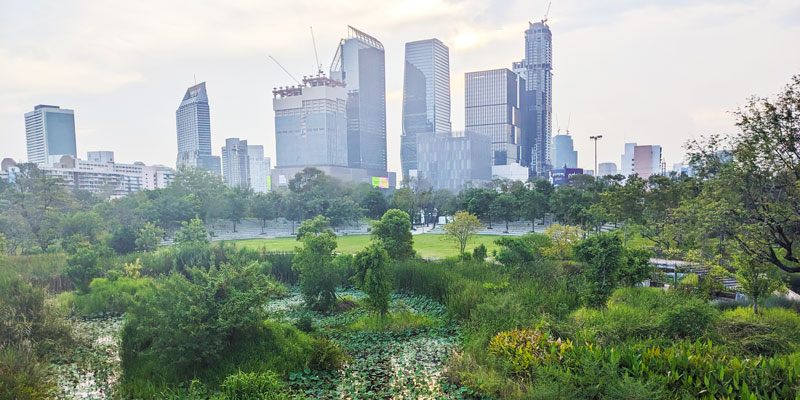
Environments, human health and wellbeing
Meet the team
Research Grouping Coordinator: Gary Haq
PhD researchers
Project highlights
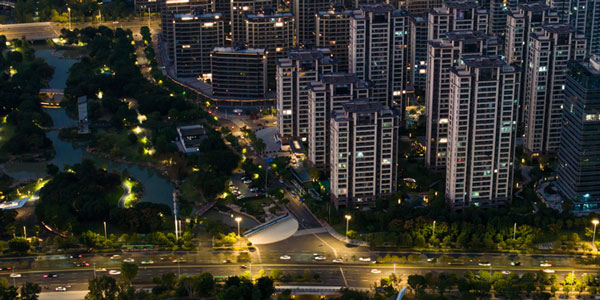
We focus on better understanding the impacts of blue (water), green (semi-natural) and grey (built) infrastructure qualities upon health and wellbeing.
The team develop and evaluate participatory (participatory mapping, citizen science) and creative (art and design) engagement approaches to understand lived experiences and aim to include typically marginalised groups in decision-making discussions.
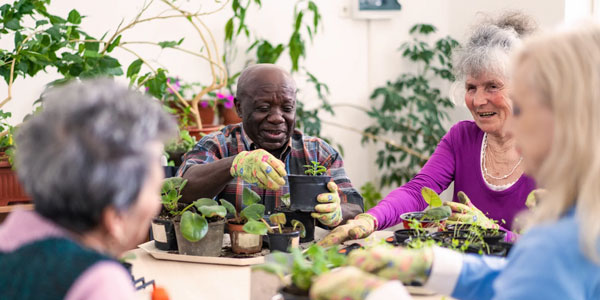
Supporting people with dementia and their communities to take part in inclusive, creative climate action that builds resilience and wellbeing.
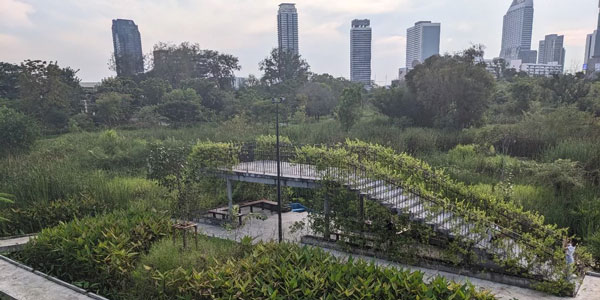
Evaluating how Bangkok's pocket parks enhance urban wellbeing, accessibility and environmental benefits, informing inclusive urban planning policies.
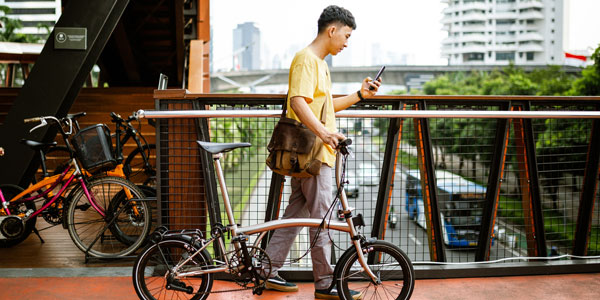
Unlock inclusive urban mobility with this kit, designed for participatory planning and equitable transport solutions.
A collection of SEI tools, methods and approaches that can be used widely for urban planning and development.