Physiotherapist awarded fellowship to improve brain tumour care
Posted on Monday 13 April 2026
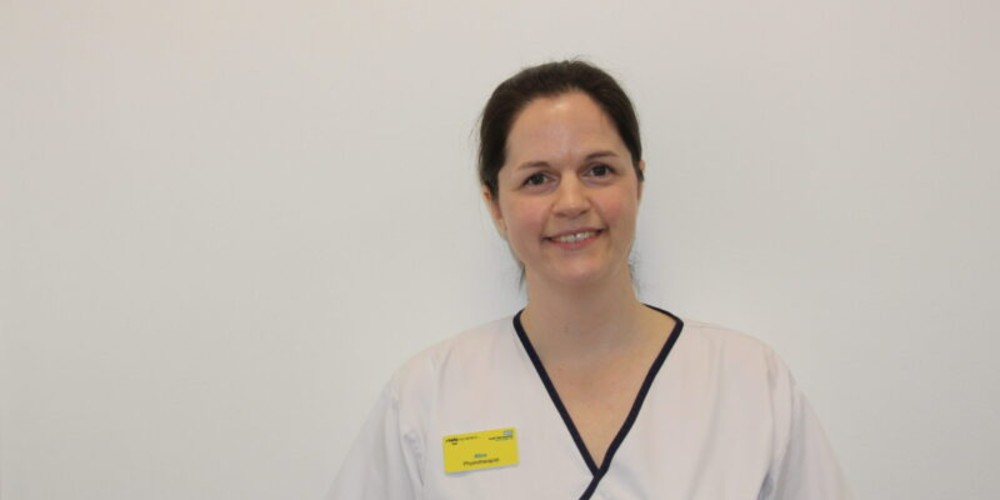
Alice Franklin, working with Professor Joy Adamson from the University of York’s Department of Health Sciences, is one of two recipients of a new programme led by the Tessa Jowell Brain Cancer Mission and funded by the National Institute for Health and Care Research (NIHR).
The initiative is the first in the UK dedicated to research led by allied health professionals in neuro-oncology, focusing on areas such as rehabilitation and patient support.
Alice said: “This is a rare opportunity to carry out research that is directly linked with improving patient experience. I aim to build on the evidence base and positively contribute to improving the journey for patients with high-grade brain tumour.”
Better prepared
Her research will explore “prehabilitation” – support given before and during treatment – to help patients better prepare for the physical and psychological impact of therapies such as surgery, chemotherapy and radiotherapy.
Professor Adamson said: “Patients with this condition often experience a broad variety of symptoms, including physical, emotional and changes to memory and thinking skills which affect their quality of life. Research is needed to ensure the design and delivery of the care received around their surgery meets their complex needs.”
“This new fellowship will enable crucial research to take place alongside clinical work and with the support of a network of academic and clinical partners.”
Research skills
Alongside colleagues at the University of York, Alice will also work with Teesside University, and the Academic Centre for Surgery at South Tees Hospitals NHS Foundation Trust.
The fellowship forms part of a wider effort to strengthen research into supportive care for patients with a brain tumour. It is designed not only to fund research, but also to support clinicians in developing research skills through mentoring and collaboration.
Experts say investing in allied health professionals could play a key role in improving quality of life for patients, particularly in areas such as rehabilitation, which have historically received less attention.
The programme reflects a broader shift towards ensuring that people with cancer are supportedto live well during and after their treatment.