Research shows lack of defibrillators in England and Scotland puts lives at risk
Posted on Friday 1 September 2023
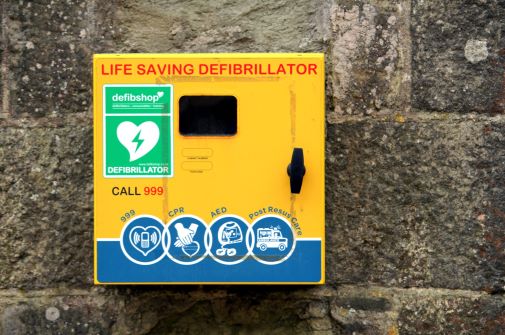
In the most deprived areas of England and Scotland, the nearest 24/7 accessible defibrillator is on average a round trip of over a mile, or 1.8km, according to research by the University of York and Hull York Medical School, supported by the British Heart Foundation (BHF).
Researchers conducted the largest study looking at defibrillator access, using data from The Circuit: the national defibrillator network.
Chance of survival
The study revealed that people living in the most deprived areas of England and Scotland are on average 99 and 317 metres further away from their nearest 24/7 defibrillator than those in the least deprived areas, respectively.
With nearly three in 10 out-of-hospital cardiac arrests happening on the weekend and four in 10 between 6pm and 6am in England, quick access to a defibrillator at any time of the day is crucial.
Every minute of delay between a cardiac arrest and defibrillation reduces the chance of survival by up to 10 per cent. Quick CPR and defibrillation are vital to give someone the best chance of survival.
Deprivation levels
Dr Chris Wilkinson, from the University of York and Hull York Medical School, said: “By calculating how far every postcode in Great Britain is from its nearest defibrillator, we’ve shown just how much deprivation levels affect the public’s access to these lifesaving devices out-of-hours in England and Scotland.
“Making existing defibrillators accessible to the public 24/7 would make a big difference to the average distances people need to travel in an out-of-hours emergency, and would improve equality of access – which can help save lives.”
Better support
Judy O’Sullivan, Director of Health Innovation Programmes at the British Heart Foundation, said: “We are proud that data from The Circuit has helped to highlight that deprived communities need better support to help improve response times to an out-of-hospital cardiac arrest.
“Bystander CPR and defibrillation can double the chance of survival from a cardiac arrest, so it is crucial that we address the unequal access to defibrillators in order to improve survival rates.”