York scientist part of team awarded £8m to unravel breakdown of carbohydrates
Posted on Thursday 5 November 2020
The research – funded by the European Research Council (ERC) is expected to have major implications for improving human health in the fight against diseases and finding green solutions to energy production.
Professor Gideon Davies from the Department of Chemistry will work with Dr Carme Rovira from the University of Barcelona and Professor Hermen Overkleeft from the University of Leiden to form the “Carbocentre” synergy team.
Biomedicine
They will develop novel chemical entities to study the enzymes involved in the synthesis and breakdown of carbohydrates and design compounds that inhibit and visualize each of the glycol processing enzymes - eventually applying them in the areas of biomedicine and biotechnology.
Many viruses, including Influenza and Covid-19, use carbohydrates (glycans) for cellular entry and as part of their structure.
Professor Davies said: “Carbohydrates (glycans) have mind-boggling chemical diversity. They are the most abundant and diverse class of biomolecules on Earth.
“It’s a great honour to obtain this European funding, especially at this time. Our collaborative work will provide truly disruptive technologies for health (cancer, genetic disease and viral invasion) as well as allowing the discovery and characterization of enzymes for biomass degradation leading to green energy solutions.”
Chemical
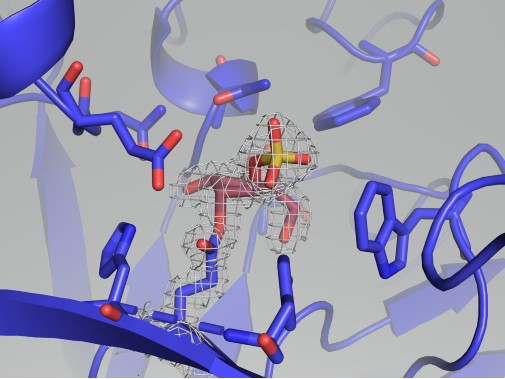
The scientists will harness computational and structural analyses of how enzymes work and use that to inform chemical synthesis of activity-based probes that allow the detection, imaging and isolation of these enzymes in living systems.
Professor Overkleeft said: “Carbohydrates and glycans are all around us. They are the language of cells, our cellular bar-codes, but they are also incredibly complex. Once we have the tools to decipher nature’s glyco-codes we can begin to unlock their biology for societal benefit. It is fabulous to be working with two world class groups in this major endeavour.”
Insight
Dr Rovira, who will lead the computational strand, said: “The three teams have incredible synergy. It will be wonderful to see how computation, structure and organic chemistry can come together for major biological insight. ”
Collaborative ‘ERC Synergy’ grants are amongst the most prestigious European grants for curiosity-driven research and are only awarded to teams of world-class researchers coming together to tackle major scientific challenges.