Pollution levels in UK cities drop as coronavirus impacts on daily life, new data reveals
Posted on Wednesday 25 March 2020
Scientists from the University of York processed data from roadside monitoring sites from 100 cities across the UK to reveal the significant reduction.
The team, including PhD student Will Drysdale from Department of Chemistry, used data from the London Air Quality Network and UK Automatic Urban and Rural Network which monitors nitrogen dioxide (NO2) and particulate Matter (PM2.5) levels.
The data shows that levels of nitrogen dioxide are down by as much as 48% in Leeds compared with the five-year average for the time of year, while Newcastle and Cardiff have seen drops of around 45% and Glasgow has seen levels fall 44%. Birmingham has seen a drop of around 42%, Manchester 39%, London 36%, Bristol 31% and Belfast 30%, while York has seen a fall of 11%.
Particulate matter
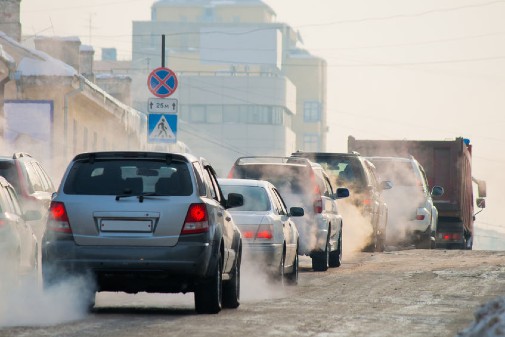
Nitrogen dioxide is primarily emitted from vehicle exhausts, so this reduction is likely to be caused by lower levels of traffic in the cities. The sources of particulate matter are more varied but include pollutants from road transport, industry and fuel burning.
Professor James Lee from the Department of Chemistry and the National Centre for Atmospheric Science (NCAS) said: “These are the two air pollutants that have the biggest health impacts on people. From our analysis, pollution levels are clearly lower than the average of the previous five years. I would expect them to drop even further over the coming weeks.
“We will continue to analyse the data and potentially take in more sites to build a bigger, more accurate picture of the situation.”
Nitrogen dioxide
Satellite images have already revealed dramatic reductions in concentrations of pollutant nitrogen dioxide in China and northern Italy, coinciding with lockdowns to tackle the coronavirus pandemic.
Scientists across the world are reporting a reduction in air pollution levels as the pandemic has spread through countries, bringing daily life to grinding halt. Levels of traffic pollution have plummeted with many countries in lockdown, while exposure to pollutants will also be reduced by people staying off the streets.
Health problems
Air pollution causes an estimated 40,000 early deaths in the UK each year. It is linked to health problems including stroke, heart disease, lung cancer and disease, and respiratory diseases and infections, as well as stunting the growth of children’s lungs.
Scientists caution that the data requires detailed analysis before they can pinpoint the exact causes of the pollution decline. There are many factors that affect pollution levels - including local weather, new regulations and human activity.