Study finds children with autism more likely to be bullied at home and at school
Posted on Monday 22 July 2019
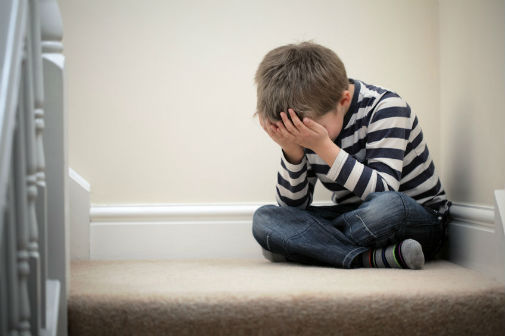
The researchers also found that children with autism are more likely to be both the victims and perpetrators of sibling bullying compared to those without autism.
The study used data from The Millennium Cohort Study to investigate sibling bullying in a sample of over 8,000 children, more than 231 of which had autism.
Picked on
The children were asked questions about how often they were picked on or hurt on purpose by their siblings and peers and how often they were the perpetrators of such acts.
The study revealed that, at the age of 11 years, two thirds of children with autism reported being involved in some form of sibling bullying, compared to half of children without autism.
While there was a decrease in bullying for children in both groups by the time they reached the age of 14 years, there were still differences in the specific types of involvement. Children with autism were still more likely to be involved in two-way sibling bullying, as a victim and a perpetrator.
Lead author of the study, Dr Umar Toseeb from the Department of Education at the University of York, said: “Children with autism experience difficulties with social interaction and communication, which may have implications for their relationships with siblings.
“From an evolutionary perspective, siblings may be considered competitors for parental resources such as affection, attention and material goods – children with autism might get priority access to these limited parental resources leading to conflict and bullying between siblings.”
Potential consequences
The parents of the children involved in the study were asked questions about their children’s emotional and behavioural difficulties, focusing on things like whether their child was unhappy, downhearted and restless.
According to the research, those children involved in sibling bullying, irrespective of whether they had autism or not, were more likely to experience emotional and behavioural difficulties both in the long and short term.
Because sibling bullying disproportionately affects children with autism, the researchers are calling for more resources to help children with autism and their parents identify and deal with bullying behaviours in the home, particularly earlier in childhood.
Dr Toseeb added: “Parents should be aware of the potential long term consequences of sibling bullying on children’s mental health and wellbeing.
“Persistent conflicts between siblings may be indicative of sibling bullying and this should not be viewed as a normal part of growing up.”