Ancient DNA from Roman and medieval grape seeds reveal ancestry of wine making
Posted on Monday 10 June 2019
With the help of an extensive genetic database of modern grapevines, researchers were able to test and compare 28 archaeological seeds from French sites dating back to the Iron Age, Roman era, and medieval period.
Utilising similar ancient DNA methods used in tracing human ancestors, a team of researchers from the UK, Denmark, France, Spain, and Germany, drew genetic connections between seeds from different archaeological sites, as well as links to modern-day grape varieties.
It has long been suspected that some grape varieties grown today, particularly well-known types like Pinot Noir, have an exact genetic match with plants grown 2,000 years ago or more, but until now there has been no way of genetically testing an uninterrupted genetic lineage of that age.
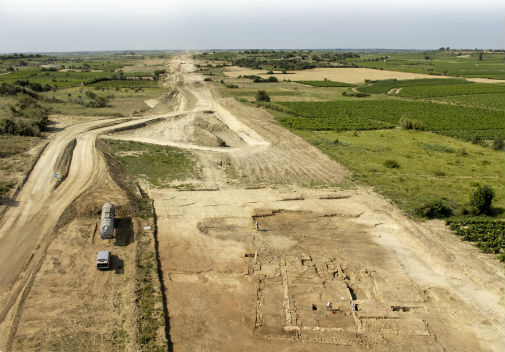
Archaeological excavation of Roman farm at Mont Ferrier site in Tourbes, France. Grape seeds closely related to Pinot Noir and Savagnin Blanc were excavated from a well dating to the first century CE.
Dr Nathan Wales, from the University of York's Department of Archaeology, said: “From our sample of grape seeds we found 18 distinct genetic signatures, including one set of genetically identical seeds from two Roman sites separated by more than 600km, and dating back 2,000 years ago.
“These genetic links, which included a ‘sister’ relationship with varieties grown in the Alpine regions today, demonstrate winemakers’ proficiencies across history in managing their vineyards with modern techniques, such as asexual reproduction through taking plant cuttings.”
One archaeological grape seed excavated from a medieval site in Orléans in central France was genetically identical to Savagnin Blanc. This means the variety has grown for at least 900 years as cuttings from just one ancestral plant.
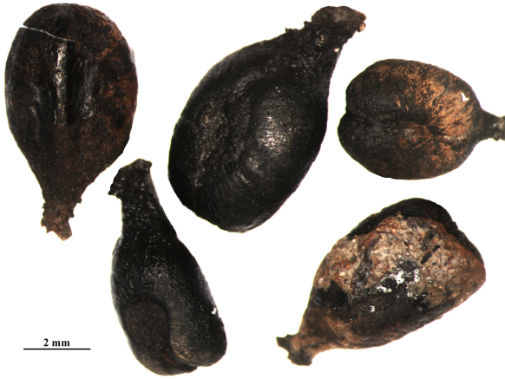
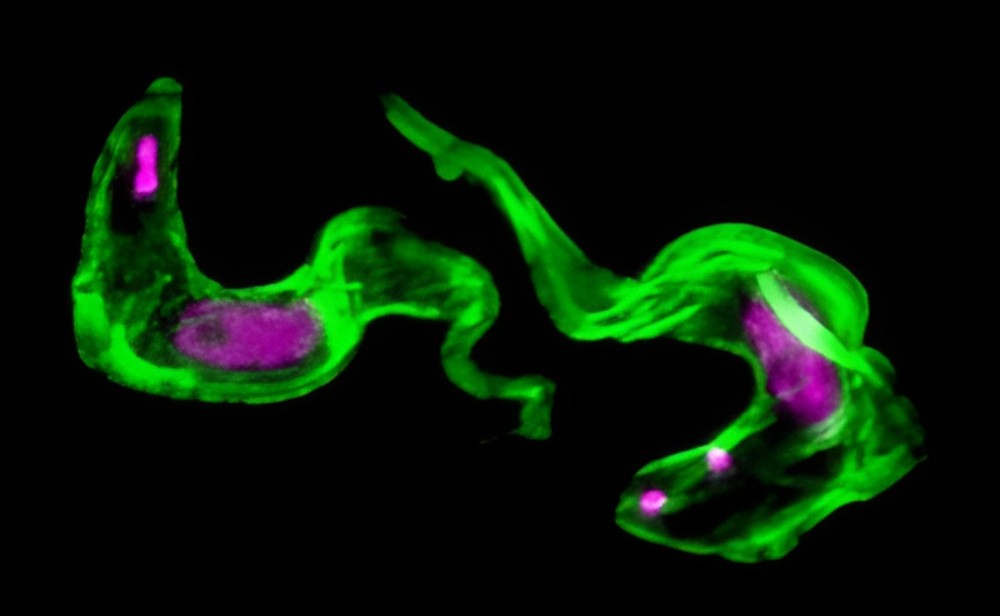
Waterlogged Roman grape seeds like these were genetically tested to investigate grape varieties in the past.
This variety (not to be confused with Sauvignon Blanc), is thought to have been popular for a number of centuries, but is not as commonly consumed as a wine today outside of its local region.
The grape can still be found growing in the Jura region of France, where it is used to produce expensive bottles of Vin Jaune, as well as in parts of Central Europe, where it often goes by the name Traminer.
Although this grape is not so well known today, 900 years of a genetically identical plant suggests that this wine was special - special enough for grape-growers to stick with it across centuries of changing political regimes and agricultural advancements.
Advanced knowledge
Dr Jazmín Ramos-Madrigal, a postdoctoral researcher from the University of Copenhagen, said: “We suspect the majority of these archaeological seeds come from domesticated berries that were potentially used for winemaking based on their strong genetic links to wine grapevines.
“Berries from varieties used for wine are small, thick-skinned, full of seeds, and packed with sugar and other compounds such as acids, phenols, and aromas - great for making wine but not quite as good for eating straight from the vine. These ancient seeds did not have a strong genetic link to modern table grapes.
“Based on writings by the Roman author and naturalist, Pliny the Elder, and others, we know the Romans had advanced knowledge of winemaking and designated specific names to different grape varieties, but it has so far been impossible to link their Latin names to modern varieties.
“Now we have the opportunity to use genetics to know exactly what the Romans were growing in their vineyards.”
Roman seeds
Of the Roman seeds, the researchers could not find an identical genetic match with modern-day seeds, but they did find a very close relationships with two important grape families used to produce high quality wine.
These include the Syrah-Mondeuse Blanche family - Syrah is one of the most planted grapes in the world today - and the Mondeuse Blanche, which produces a high quality AOC (protected regional product) wine in Savoy, as well as the Pinot-Savagnin family - Pinot Noir being the “king of wine grapes”.
Further back in time
Dr Wales said: “It is rather unconventional to trace an uninterrupted genetic lineage for hundreds of years into the past. Instead of exploring broad patterns in genetic ancestry, as in most ancient DNA projects, we had to think like forensics scientists and find a perfect match in the database.
“Large databases of genetic data from modern crops and optimized palaeogenomic methods have vastly improved our ability to analyse the history of this and other important fruits.
“For the wine industry today, these results could shed new light on the value of some grape varieties; even if we don’t see them in popular use in wines today, they were once highly valued by past wine lovers and so are perhaps worth a closer look.”
The researchers now hope to find more archaeological evidence that could send them further back in time and reveal more grape wine varieties.