Staff shortage leaves home care sector struggling
Posted on Tuesday 11 December 2018
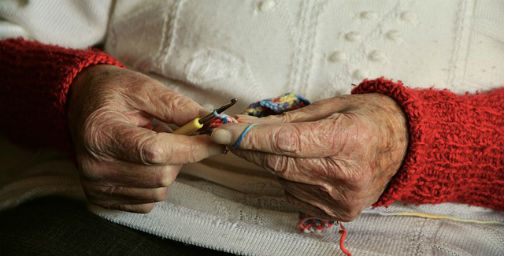
The home care sector currently supports more than 400,000 older and disabled people with daily activities such as washing, dressing and eating.
The report, supported by The King’s Fund, finds that the market for home care providers is fragile, with reduced margins and low fees forcing providers to leave the market.
In 2017 providers handed back home care contracts in more than one in three local authorities, and some of the largest providers have withdrawn from the publicly funded home care market altogether.
Fragile sector
Yvonne Birks, Professor of Health and Social Care at the University of York, said: "Millions of people depend on home care every day.
“Our research demonstrates the complexity of commissioning and providing this support, and the current fragility of the system in some areas.
“We need good evidence to underpin future reforms, along with a sustainable approach to the workforce and to overall social care funding."
Negative impacts
Staff shortages are a significant challenge for home care providers in many places. The report highlights concerns that fees paid by some local authorities are too low to maintain quality services, leading to high turnover of providers and staff.
This has negative impacts on continuity of care and potentially wider effects on care quality. Researchers also uncovered fears that some care staff are being paid below legal minimum wage levels.
Analysis shows that four in 10 home care workers leave their role every year and more than half of home care workers are on zero hours contracts.
Potential
Simon Bottery, Senior Fellow, Social Care, at The King’s Fund, said: “The 249 million hours of home care delivered each year, much of it publicly-funded, has huge potential to improve people’s health and promote their independence.
“The system needs a fundamental overhaul, beginning with the upcoming Green Paper, but the prize of a better, more effective home care service is worth having.”
In 2016/17 around 500 new home care agencies registered each quarter and 400 left the market.
Ceasing trade
The report also showed that in a 2017 survey, many council directors of adult social services had experienced home care providers ceasing to trade in the previous six months (39%) or having contracts handed back (37%).
Council spending on social care was three per cent lower in 2017/18 than in 2009/10. Analysis suggests a link between prices paid by councils and the quality of home care.
Based on interviews with home care providers and local authority commissioners, it also found criticism of a simplistic ‘time and task’ approach to commissioning, under which providers are paid per hour to provide care but with no measurement of the outcomes achieved.
The report, called Home care in England: views from commissioners and providers, concludes that home care needs to move away from ‘time and task’ payments to commissioning services based on achieving outcomes for people, integrated more closely with health care services.