
First-ever protein analysis of Homo naledi fossils finds zero male markers
Posted on Wednesday 24 June 2026
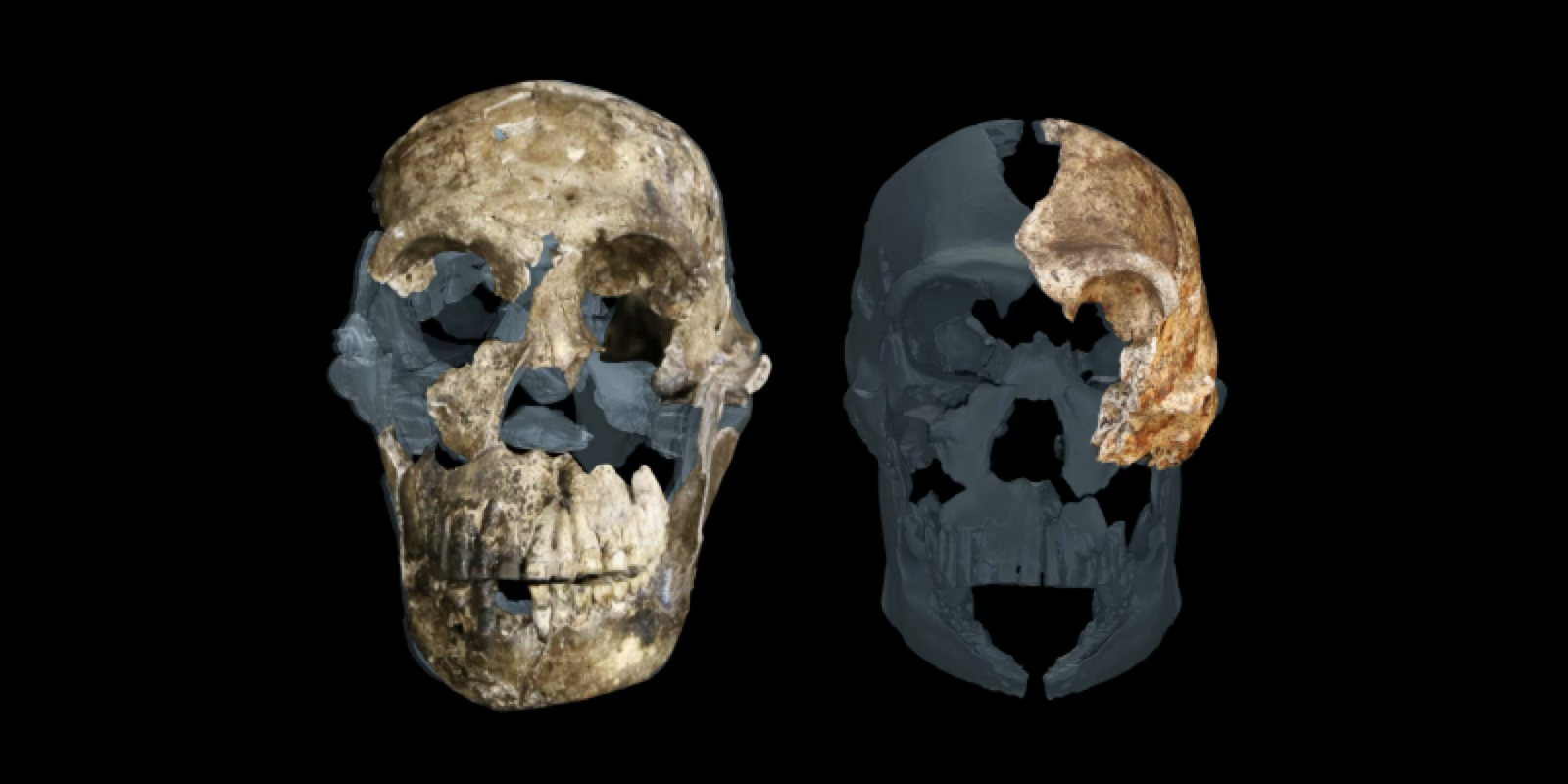
An international team of researchers, including scientists from the University of York, has uncovered remarkable new insights into the extinct hominin Homo naledi using cutting-edge protein analysis.
In a paper published in Cell, scientists successfully extracted ancient proteins from fossil teeth found in South Africa’s Cradle of Humankind. Analysing 23 teeth from at least 20 individuals they were able to determine the biological sex of each individual, by looking for Amelogenin-Y – a protein that is uniquely coded onto the male Y chromosome – within the tooth enamel. The complete absence of this marker suggests that all individuals examined from the Rising Star Cave system may have been biologically female, raising fascinating questions about the biology, social structure, and possible cultural behaviours of this early human relative.
As part of her PhD studies, Dr. Fazeelah Munir, working with Dr. Marc Dickinson and Professor Kirsty Penkman at the NEaar facility in York’s Department of Chemistry, analysed amino acids in tooth enamel, confirming that the proteins were authentic and preserved from the ancient samples.
As the largest extinct hominin population studied using ancient protein analysis, the findings open up new questions about the biology, evolution, and social dynamics of this enigmatic species.
Notes to editors:
This paper has been published in Cell, and also features as a News Story on the University of York's main news site.