
York toolkit tailors enzymes for greener fuels from plant waste
Posted on Monday 13 July 2026
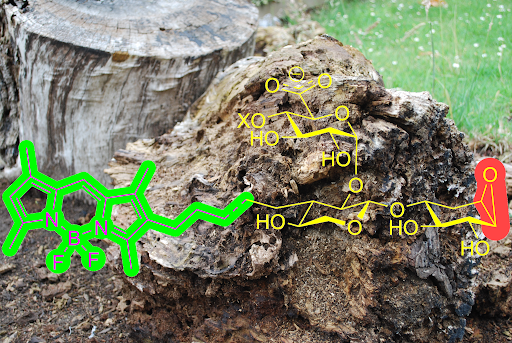
Scientists from the York Structural Biology Laboratory (YSBL) at the Department of Chemistry, University of York, working with Leiden University and STFC, have developed a chemical toolkit that identifies which xylanase enzymes can break down particular forms of xylan, a major component of plant cell walls.
Six activity-based probes act as molecular 'bait', selectively labelling enzymes that recognise arabinose- or glucuronic-acid-decorated xylans. This differentiation matters because hardwood, softwood, corn stover and sugarcane bagasse contain xylans with different structures: efficient conversion therefore requires bespoke enzyme cocktails, including xylanases matched and optimised for each feedstock rather than a one-size-fits-all mixture.
The platform also links the experimental profiling of xylanase activity with analysis of their genetic sequences. This allows prediction of their selectivity from their sequence alone, enabling rapid insight into the functional performance of new xylanase enzymes based on genetic sequencing.
Against the backdrop of the current Middle East crisis and renewed concerns over the volatility of oil and diesel supplies, technologies that simplify and improve the conversion of renewable biomass could support longer-term diversification towards more resilient biofuel and biobased-chemical economies.
The work is published in Nature Communications, and was supported by the Royal Society, BBSRC and the ERC Carbocentre Synergy Grant (ERC-2020-SyG-951231).
Notes to editors:
This work has been published in Nature Communications.