
Contact us

Palaeogenomics
Our people
| Photo | Name | Role |
|---|---|---|
 |
Dr Nathan Wales
|
Lecturer in Archaeological Science |
 |
Dr Sophy Charlton
|
Lecturer in Bioarchaeology |
 |
Sofia Skott
|
Technician |
Focus Areas
- Origin and spread of crops using ancient DNA
- The history of winemaking
- The movement of maize throughout the Americas

What can the DNA lab offer?
- Kinship and population affinity studies
- Analysis of DNA from artefacts
- Sedimentary DNA and coprolite analysis
We do not offer a commercial service as we work on a collaborative basis. Please contact Nathan Wales if you have an interesting project to discuss. Commercial services may be available through the SciLifeLab in Uppsala, Sweden.
Research highlights
Some of our past research includes:
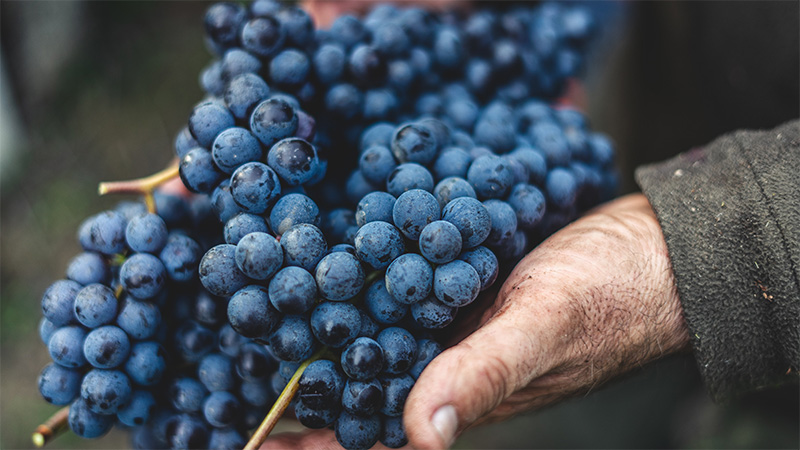
A grape variety can be traced back 900 years to just one ancestral plant, scientists have discovered.
Even the beeswax used in seals is rich with data about the past, including the flowers that grew in that region year to year.
Unravelling the history of maize domesticates reveals a complex journey into South America.
Oldest DNA in Britain from pair of individuals reveals two distinct ancestries
International collaborators
| Researcher | University | Area of research |
|---|---|---|
| Jazmín Ramos Madrigal, Tom Gilbert | University of Copenhagen | The domestication histories of maize and grapevine |
| Benjamin Blackman | University of California, Berkeley | The domestication history of sunflower |
| Laurent Bouby | ISEM at the University of Montpellier | The history of grapevine cultivation |
| Muriel Gros-Balthazard | Institut de Recherche pour le Développement | The domestication history of the date palm |
| Greger Larson | University of Oxford |
Dog domestication |
| Laurent Frantz | Ludwig-Maximilians-University Munich | aDNA of dogs and wolves |
| Ian Barnes, Selina Brace | Natural History Museum London |
aDNA from museum collections |
Please visit our facility page for more technical information about the instruments involved.