Analytical services
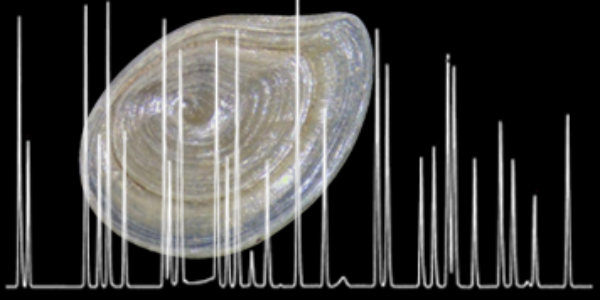
A NERC-recognised facility (NEaar) that analyses multiple chiral amino acids to measure the extent of protein degradation in biominerals (including amino acid racemisation; AAR). This enables an estimation of relative age over Quaternary timescales (amino acid geochronology), and can also be used to assess the endogeneity and/or the preservation of amino acids in archaeological and palaeontological materials.
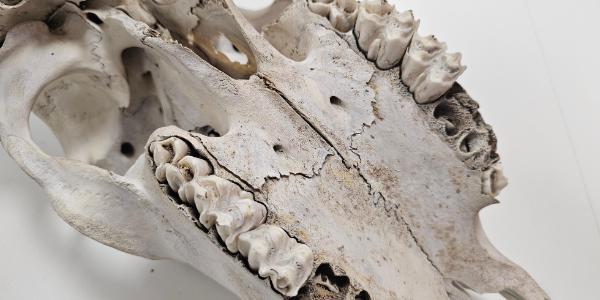
Rapid proteomic amelogenin sex estimation of human and animal remains. This approach targets the well-preserved enamel protein amelogenin, whose isoforms reflect the x and y-chromosome. The method has been successfully applied to humans and cattle. It is particularly useful in cases where sex estimation is not possible using osteoarchaeological approaches. This method is rapid, accurate and more affordable than DNA sex estimation methods.
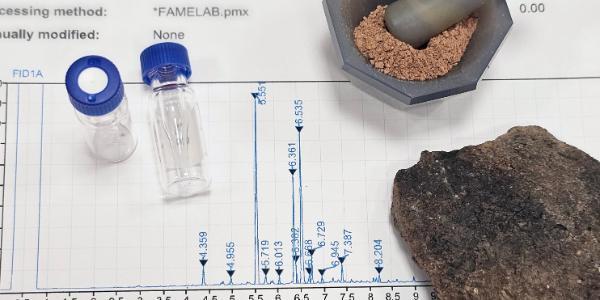
BioArCh conducts lipid analysis on ceramics, sediments, and natural products such as tars, pitches, and waxes to support the reconstruction of ancient diets, food processing practices, and vessel use in archaeological contexts.
Ancient DNA from archaeological remains can help answer questions about evolutionary relationships, ancestry, domestication, and phenotypic traits. We offer extraction of DNA from bones and the preparation of next generation sequencing libraries. Please contact us regarding anicent plant remains and sediment samples.
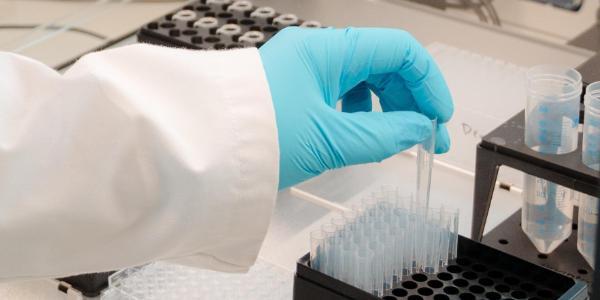
Extraction and analysis of proteins from archaeological artefacts, dental calculus (mineralised plaque) and skeletal remains aid our understanding of past foods and diets, taxonomy and phylogeny, disease processes and studies of protein diagenesis and modification.
The BioArCh stable isotope facility is capable of bulk carbon, nitrogen and sulphur analysis of collagen by elemental analysis isotope ratio mass spectrometry (EA-IRMS) for dietary analysis, and oxygen isotope analysis of bone carbonate for mobility and migration studies.
Zooarchaeology by Mass Spectrometry (ZooMS) – species identification via collagen fingerprinting. A rapid and low-cost form of protein analysis using collagen or other proteins preserved in archaeological and historic artefacts to enable taxonomic identification of the species from which they derive.
Service Launch
We are currently expanding both our service capacity and the range of analyses available. Visit the on E-RIHS and RICHeS catalogues for the latest updates.
For general enquiries, collaborations or expressions of interest, please send us an enquiry.
Available Funding
If you don’t have your own funding, funding streams for our services are available through E-RIHS and RICHeS.
Expressions of Interest for the RICHeS Access Fund are open now until Wednesday 10th December 2025.