
Yuck?: Historical Approaches to Unwanted Non-Human Life Workshop
Posted on Tuesday 21 April 2026
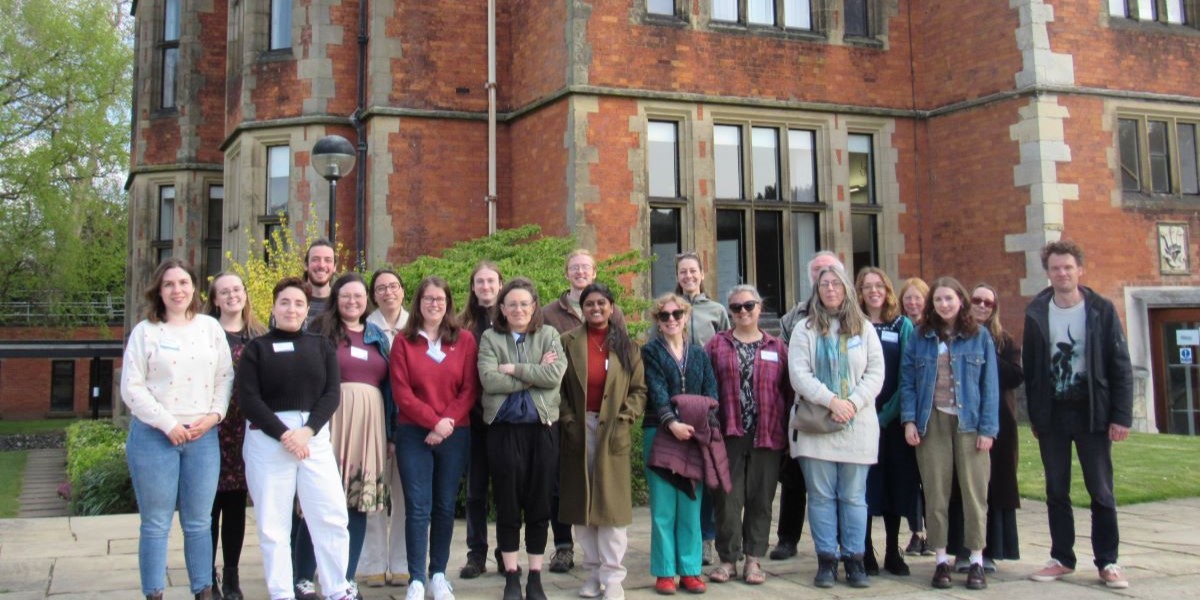
The workshop featured discussions on all kinds of ‘yuckiness’ and unwanted non-human life, including vermin, weeds, insects, fungi and, even mud. Humanities-based researchers from across the UK, Europe and further afield came together in one room to consider the productivity and challenges of researching non-humans in the past.
The workshop aimed to problematise the historiographical assumption that interactions with unwanted non-human life were necessarily defined by feelings of discomfort, instead, recentring ambivalent, and even positive, relationships. The two days were organised around four discussion themes: producing the unwanted, agency, source material and archives and the future of the field. Each discussion involved a series of individual lightning talks, followed by small group discussions and then feeding back to the wider workshop. These small groups aimed to develop a familiarity between participants with the potential for networking and collaboration.
The themes provided the space for discussing the theoretical and conceptual challenges of researching the non-human. For example, the challenge of human mediation in the ways we both conceive of non-human agency, and the ways we access the lives of non-humans in the past. The discussion on source materials facilitated explorations of the hands-on experience of using archives, with participants centring their reflections around a particular source or physical object. It led to the sharing of several anecdotes about finding unexpected traces of the non-human within the archives themselves, like footprints on the pages of a book or, in one case, insects had eaten the decision of a court case. These material interactions with the non-human can bring frustration as well as amusement and delight to the research process.
As part of the workshop, we invited two keynote speakers. On the first day, Dr Joseph Hardwick from Northumbria University considered the presence of animals in Churchyards and the ways animals have been excluded or made unwelcome in these spaces. Drawing from across 19th and 20th century Britain, the lecture explored the complex human-animal interactions that took place within churchyards. Dr Olga Smith, from Newcastle University, delivered a keynote lecture on the second day, which explored more contemporary representations of weeds in urban environments through the work of the French artist Jean-Luc Moulène. The lecture was a discussion of a recent publication by Olga in Methods for Ecocritical Art History. Both lectures touched on themes within the workshop, like attempts to understand non-human agency and the place and role of interdisciplinary collaboration.
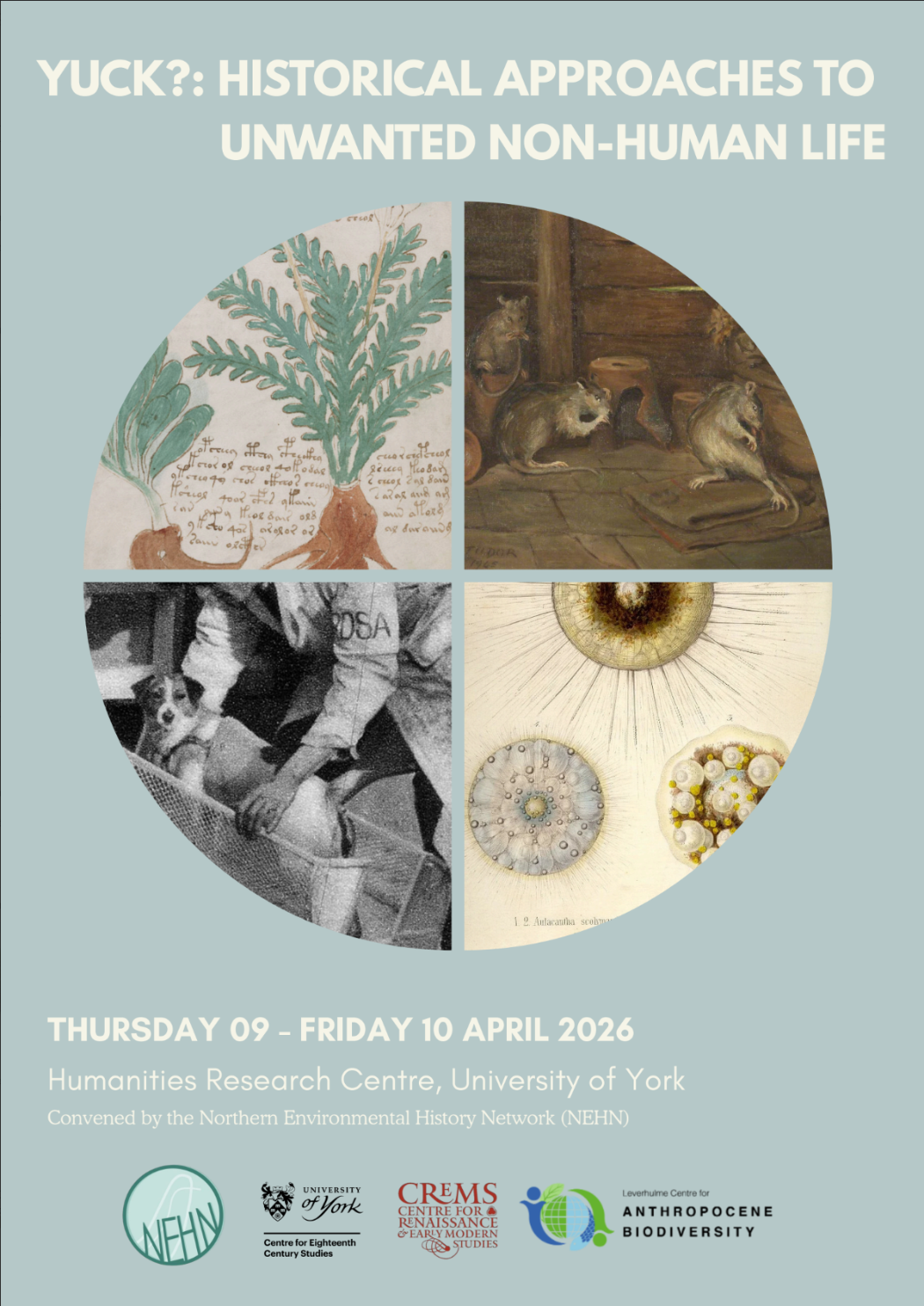 The workshop enabled participants to draw links between research on diverse non-human ‘subjects’ and across varied historical contexts. A series of common questions and themes emerged from the fruitful discussions. How can human mediation be an opportunity in research, not simply a challenge? When is anthropomorphism desirable? How can the integration of different disciplines present challenges for the humanities? What terms should we use when discussing the non-human, whether it should be framed through the non-human, more-than-human or other-than-human? The emerging questions, whilst not neatly answered or solved, showed the common concerns, challenges and enjoyment from researching unwanted non-human life.
Notes to editors:
The workshop was co-organised by Inga Jackson, Emily Whittingham, Frankie Taylor and Daan Jansen from the University of York and Laura Brown from Northumbria University. The event formed part of the ongoing yearly events run by the Northern Environmental History Network. The workshop was funded by the Leverhulme Centre for Anthropocene Biodiversity, the University of York’s Centre for Eighteenth Century Studies, the University of York’s Centre for Renaissance and Early Modern Studies and the University of York History Department.