
New Associate Director joins LCAB
Posted on Monday 31 August 2026
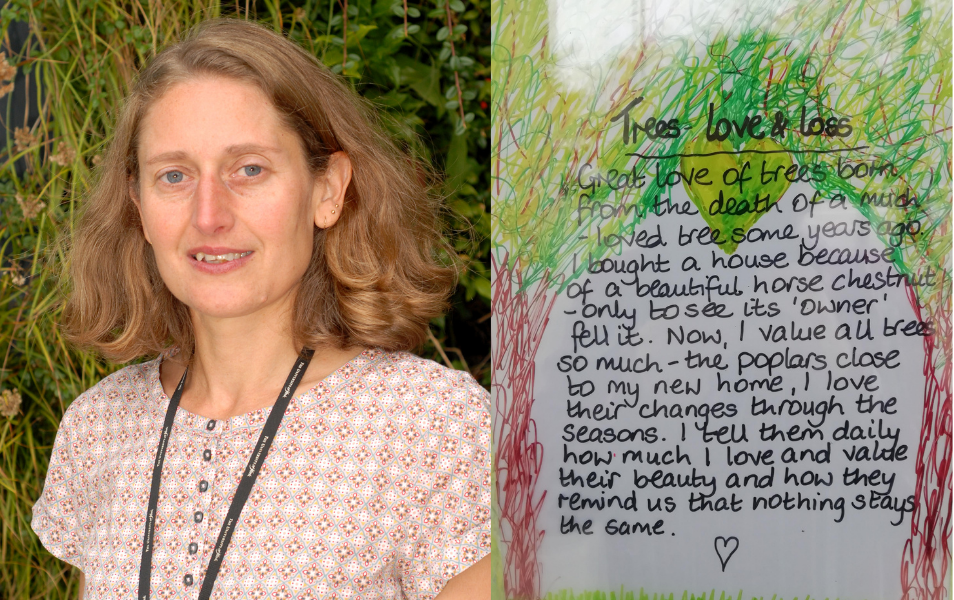
Can you tell us a little about your background and area of research?
I’m a political ecologist with an interest in nature-society relations. I research how people relate to the environment and nature through values and culture and the impact that this has on their own lives and the way that the environment is governed and managed. I’ve worked on lots of different topic areas, from foraging to urban trees to sustainable housing to water governance. I’m interested in diversity of perspectives and have developed methods for bringing non-human interests into both research and decision making. Most recently, I’ve been working on how rights of nature can be implemented effectively.
What do you love about your research?
I love that I am able to follow my curiosity with my research, that’s a big privilege. Environmental issues tend to have human causes, whether directly or indirectly, so it feels good to be able to constructively address some of that, even in a small way.
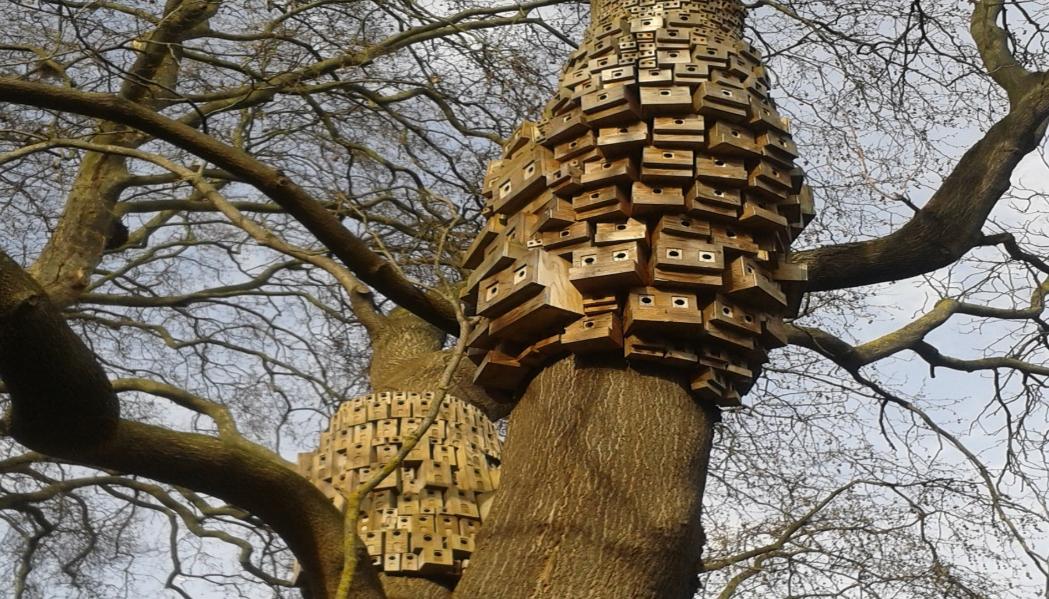 Spontaneous city in the tree of heaven © Alison Dyke
What drew you to the role with Leverhulme Centre for Anthropocene Biodiversity?
I was involved in the proposal for the Centre and have been engaged with its work from the beginning. The positive nature of the LCAB mission really appeals to me and fits well with my work.
How do you think the Centre’s research can help us balance the gains and losses of human impact? And does this make you hopeful for the future?
LCAB’s research helps to maintain perspective on change. It’s easy to feel pessimistic about the future if you are focused on degradation, as many in the environment sector are. A positive future will be different from the present and the past and I think that gives an opportunity to address not just a positive future for biodiversity, but also to remedy some of the underlying issues with human inequality.
Is there a particular area of research that could help focus us on the positives of the Anthropocene?
We are human and inevitably we think as humans, but trying to take the perspective of non-humans can be really fruitful in thinking differently and positively about a changing environment and how it functions for all of its components.