
News

Latest news

Mayor David Skaith has launched the Mayor’s Gateway Scholarship at the University of York Mumbai during the region’s trade mission to India.

Researchers across the University are included in the latest Stanford/Elsevier Top 2% Scientist Rankings.

The University of York has announced an expansion to its partnership with FutureLearn to accelerate the growth, innovation and global reach of its online education portfolio.

A new spinout company from the University of York is set to transform high-end filmmaking by bringing Hollywood-grade visual effects within reach of independent directors and major studios alike.
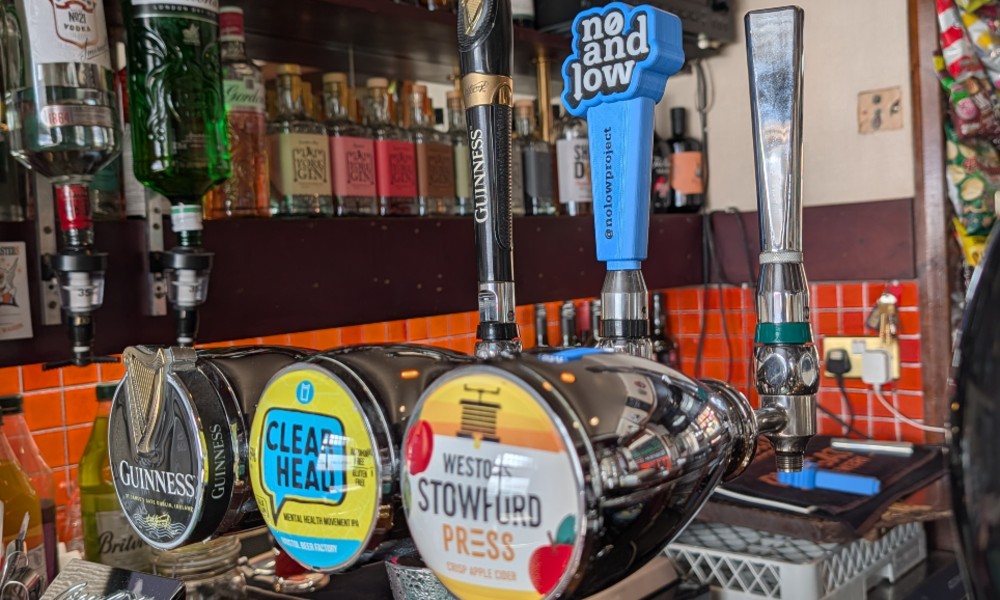
Simple changes to pub environments can encourage drinkers to choose alcohol-free options without harming profits, according to new research.

A new support programme can increase the number of patients who successfully self-regulate their intake of long-term strong-opioid painkillers without worsening quality of life, a study has shown.
Features
Explore the stories behind our remarkable research community here at York to discover the people and the passion driving us toward a better world.

In a global fight against climate change, nature is often treated as a silent victim or a passive backdrop to human needs. Although climate activists demand justice for the planet, our current legal system might not be fit to meet those demands. As the ecological crisis deepens, a once-fringe question and idea is slowly entering our minds: can nature itself have rights?

Dr Jay Harrison is a Postdoctoral Research Associate in the School of Physics, Engineering and Technology. From building self-playing musical instruments to shaping national policy, he champions the role of the ‘technical-creative’ and works to bridge the evidence gap between art and industry.

Composer, performer, and sound artist Federico Reuben, and CoSTAR Live Lab Co-Director Gavin Kearney, tell us how they think AI could cross the legal badlands and emerge from the shadows, to become the next chapter in creativity; and how institutions like the University of York could play its part in creating a new perception of technology’s latest bogeyman.