
News

Latest news
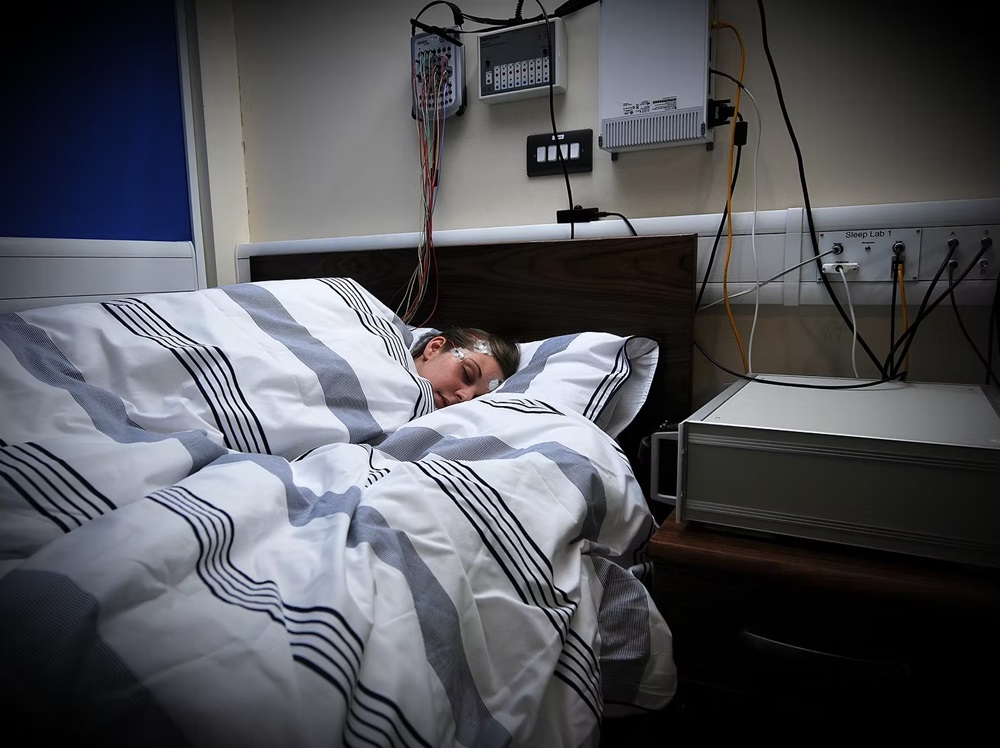
Why do we remember certain moments while forgetting others? Every day, our minds are bombarded with thousands of pieces of information, yet our brains have a limited capacity to consolidate these experiences into lasting memories. This means we need a way to hold on to what is most important, and disregard irrelevant details.

Unexpected staff shortages in ambulance services are costing lives, with patients significantly more likely to die within 24 hours when ambulance workers are off sick, according to new research.
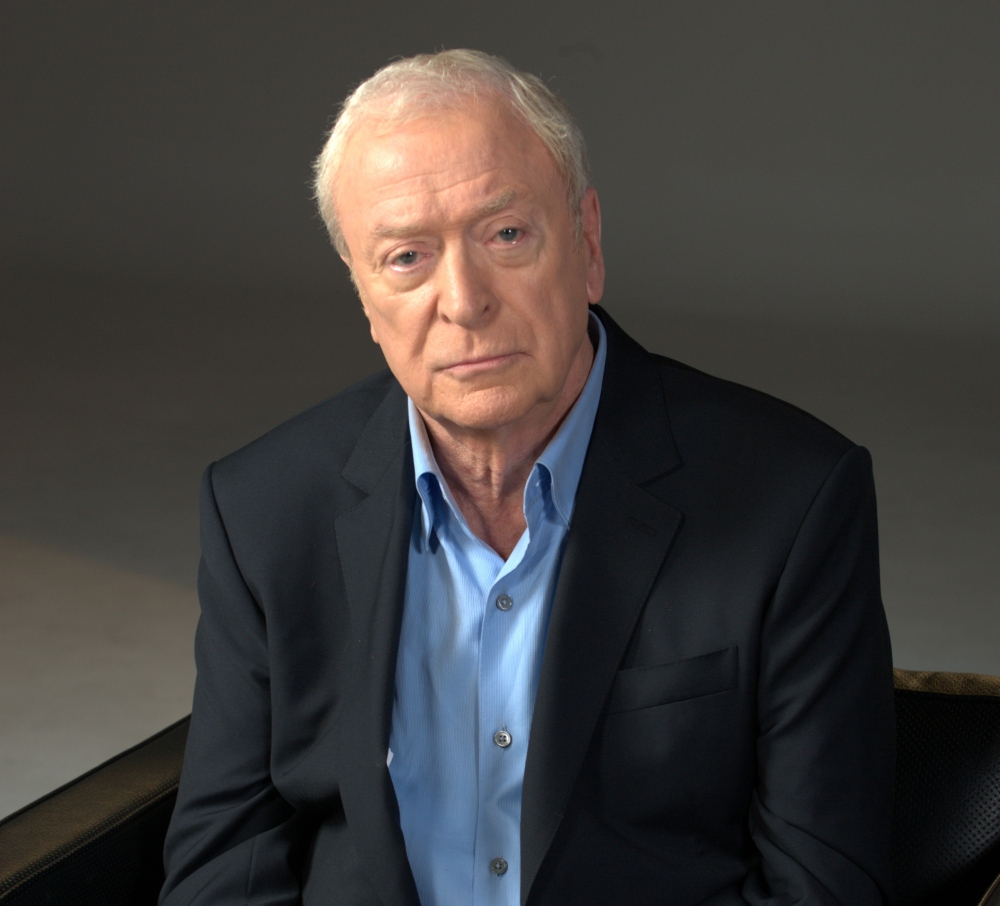
Sir Michael Caine has lent his voice to a research project exploring how technology can help combat harmful deepfakes.

A forgotten landscape that once drew world-leading botanists to North Yorkshire could hold the key to restoring lost wildlife, according to new research.

Only 13 low-and middle-income countries offer smokers the full support needed to help them quit, leaving around 1.3 billion people without access to effective care, according to a new study.
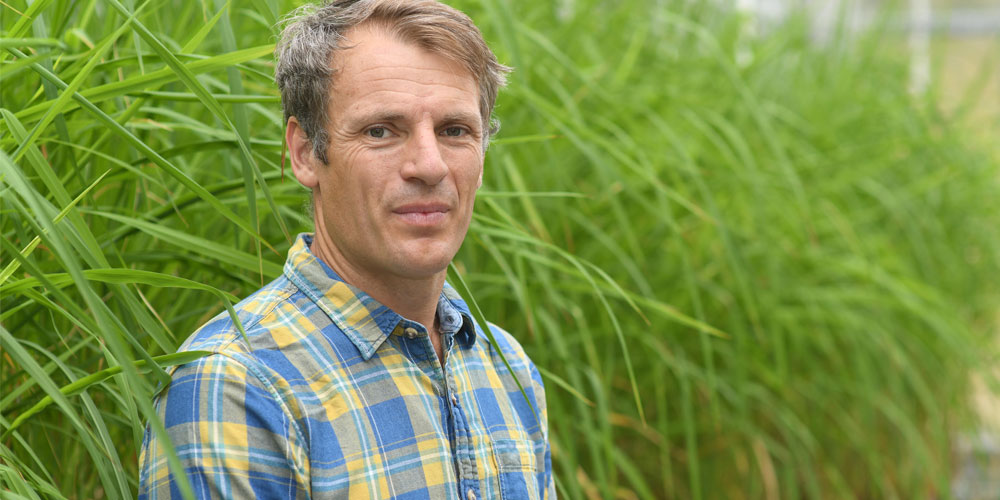
Professor Luke Mackinder is to undertake a 10-year project to unlock the secrets of how algae capture half of global carbon dioxide in a bid to combat climate change.
Features
Explore the stories behind our remarkable research community here at York to discover the people and the passion driving us toward a better world.
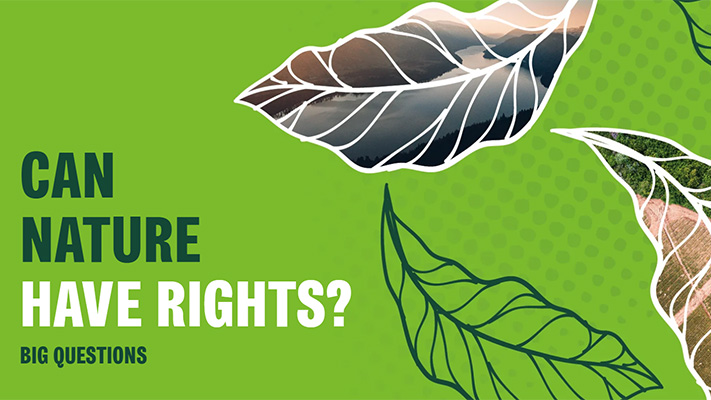
In a global fight against climate change, nature is often treated as a silent victim or a passive backdrop to human needs. Although climate activists demand justice for the planet, our current legal system might not be fit to meet those demands. As the ecological crisis deepens, a once-fringe question and idea is slowly entering our minds: can nature itself have rights?
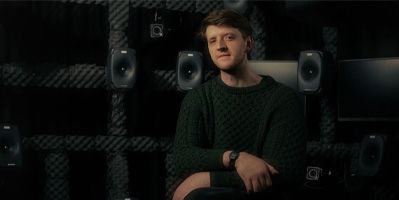
Dr Jay Harrison is a Postdoctoral Research Associate in the School of Physics, Engineering and Technology. From building self-playing musical instruments to shaping national policy, he champions the role of the ‘technical-creative’ and works to bridge the evidence gap between art and industry.
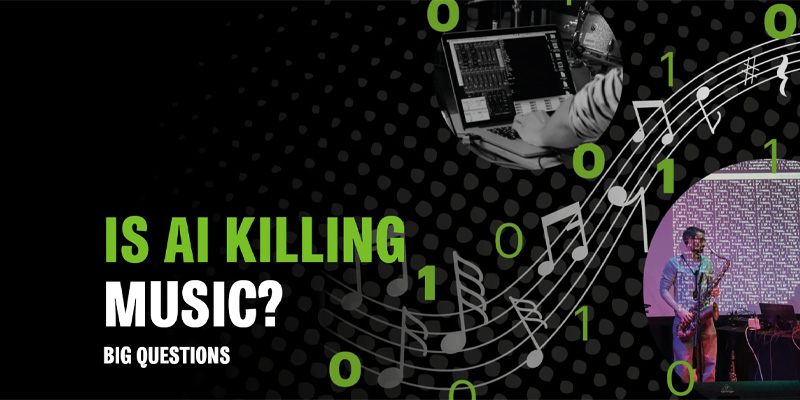
Composer, performer, and sound artist Federico Reuben, and CoSTAR Live Lab Co-Director Gavin Kearney, tell us how they think AI could cross the legal badlands and emerge from the shadows, to become the next chapter in creativity; and how institutions like the University of York could play its part in creating a new perception of technology’s latest bogeyman.