Skip to content Accessibility statement

The Protection and Rights of Local Staff in International Missions

This research project investigates the experiences of Afghan and Iraqi Local Staff, in particular interpreters, during and post-employment. It also maps and analyses gaps in the rights and protection of Local Staff, including evacuation and resettlement schemes. During their employment, Local Staff often face physical and/or psychological injury due to the nature of their work. They can also face threats because of their association with foreign governments engaged in international interventions. 

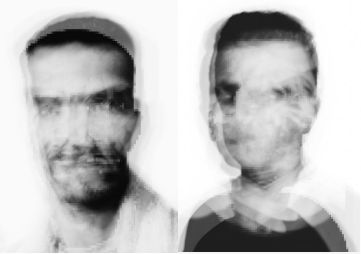
The research has contributed to shaping, revising and challenging national resettlement policies for Afghan former Local Staff at risk. It has also supported Afghan Local Staff and their advocates, including veterans, lawyers and other civil society actors, to claim protection and rights. Finally, a touring exhibition based on the research, jointly developed with photographer Andy Barnham, has raised public awareness about the experiences of Afghan Local Staff in war and post-conflict relocation. 

The broader aspiration of the research is to foster an informed, coordinated, forward-looking approach to the protection and rights of Local Staff during and post-employment in current and future missions. The research aims to inform and engage with policymakers and stakeholders by producing policy-focused and accessible research outputs, often in collaboration with practitioners. Please find selected open access reports and resources below.

This work has been supported by a British Academy Mid-Career Fellowship [MCFSS22\220055], the University of York's ESRC Impact Acceleration Account [grant number ES/X00435X/1], an ESRC IAA Small Award and the Department of Politics and International Relations. 

"Locally employed civilians, or Local Staff, are indispensable for military, humanitarian, development, or diplomatic missions. While their work remains largely invisible in reporting and research about international missions, in August 2021 the world suddenly became aware of the plight of Afghan interpreters, when chaotic scenes from Kabul airport, calls by veterans to evacuate their ‘brothers-in-arms’, and Taliban violence against these so-called ‘traitors’, were widely reported in the media.

History, from colonial wars to post-colonial conflicts such as the Vietnam war, has shown that local mediators and brokers are essential actors, often treated as expendable when missions are finished. If we don’t want to repeat history, we need to learn lessons from the past and commit to standards of engagement for Local Staff."

Professor Sara de Jong, Project lead

Policy and Public Engagement

Developed by the NGO Local Staff International with Prof. Sara de Jong, through a consultative process involving stakeholders across multiple countries, these Guidelines set out a unified framework of guiding principles and binding minimum standards. Together, they integrate ethical commitments with operational requirements to guide states, organisations, and partners through all phases of local staff’s employment and protection.
This 2026 report by Betsy Fisher, U.S. Immigration Attorney and Lecturer, and Prof. Sara de Jong analyses the legal strategies used to safeguard the rights of Local Staff, drawing on employment law, immigration, humanitarian law and other legal frameworks. This report draws from the accompanying Index of Legal Advocacy, which compiles 60 judicial challenges brought on behalf of Local Staff, including examples from Australia, Canada, France, Germany, the Netherlands, Sweden, the United Kingdom, the United States, and the European Union.
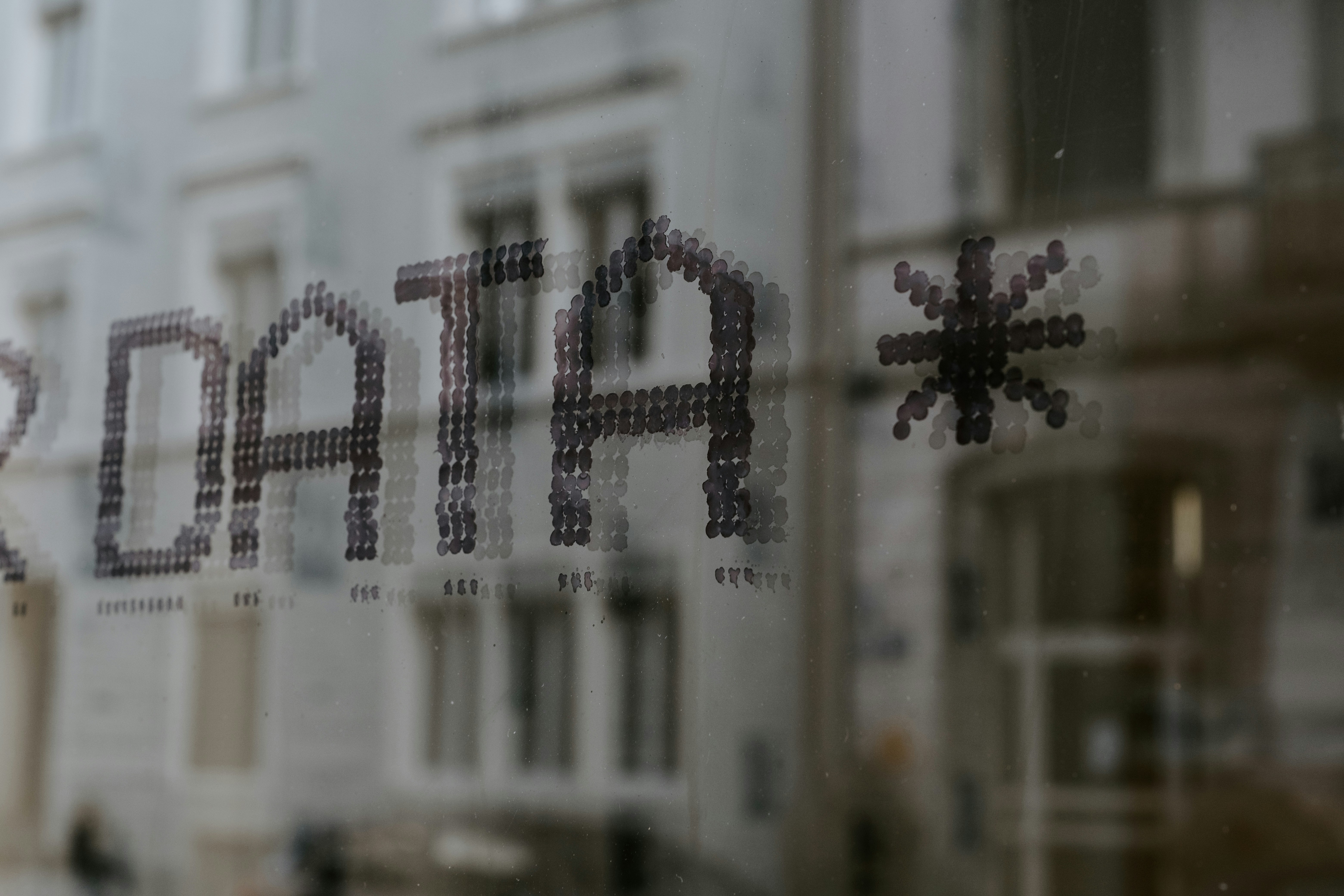
This 2025 report, co-authored by Prof Sara de Jong, with Prof Victoria Canning and Refugee Legal Support, presents the findings of a survey conducted among Afghans whose data was breached by the UK Ministry of Defence after they applied for resettlement to the UK. ‘I am not a case number, I am a human being’: The lived impacts of the February 2022 UK Ministry of Defence Afghan Data Breach is the first systematic study of the impact of the data breach among affected Afghans, documenting physical and psychological harms, as well as shortcomings with the UK Government’s response.
This 2022 report by Prof. Sara de Jong and Dr. Dimos Sarantidis analyses the national resettlement policies for former Afghan local staff under threat due to their employment with Western armies, NGOs and Governments. It compares 8 countries - Australia, Canada, Denmark, France, Germany, the Netherlands, the United Kingdom and the United States - which were part of the multinational NATO-led military mission in Afghanistan and employed local staff in the past two decades (2001-2021).
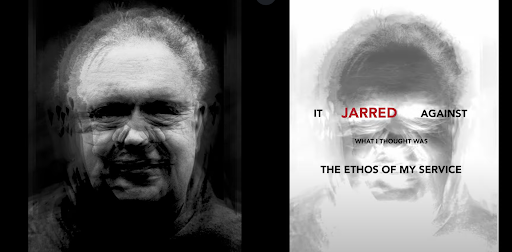
This video, based on photography by Andy Barnham and interviews by Prof. Sara de Jong, showcases the experiences of Afghanistan veterans across the world, who became leading political advocates for the rights of Afghan interpreters. Their advocacy helped assuage their personal moral conflict, but also led veterans to uncover the structural injustices of migration policies and war economies
Watch the video of ‘We Are Here, Because You Were There; Afghan Interpreters in the UK’, a portrait project documenting the experiences of Afghan interpreters employed by the British Army who have resettled in the UK, by photographer Andy Barnham and Prof Sara de Jong. The exhibition travelled between 2022-2024 to venues in London, Glasgow, Cardiff, Cambridge, Bradford, York, Sheffield, Halifax, and had over 10,000 in-person visits.

Featured presentations

A selection of evidence sessions and presentations to policymakers, practitioners and academics, based on the research:

The presentations supported parliamentary inquiries, academic and practitioner debates about the protection of Local Staff, the role of Governments and stakeholder accountability.

Academic Publications

Photo credits

Banner photo: A Human Terrain Team consisting of U.S. Army soldiers (Public Domain Dedication by Defense Visual Information Distribution Service)
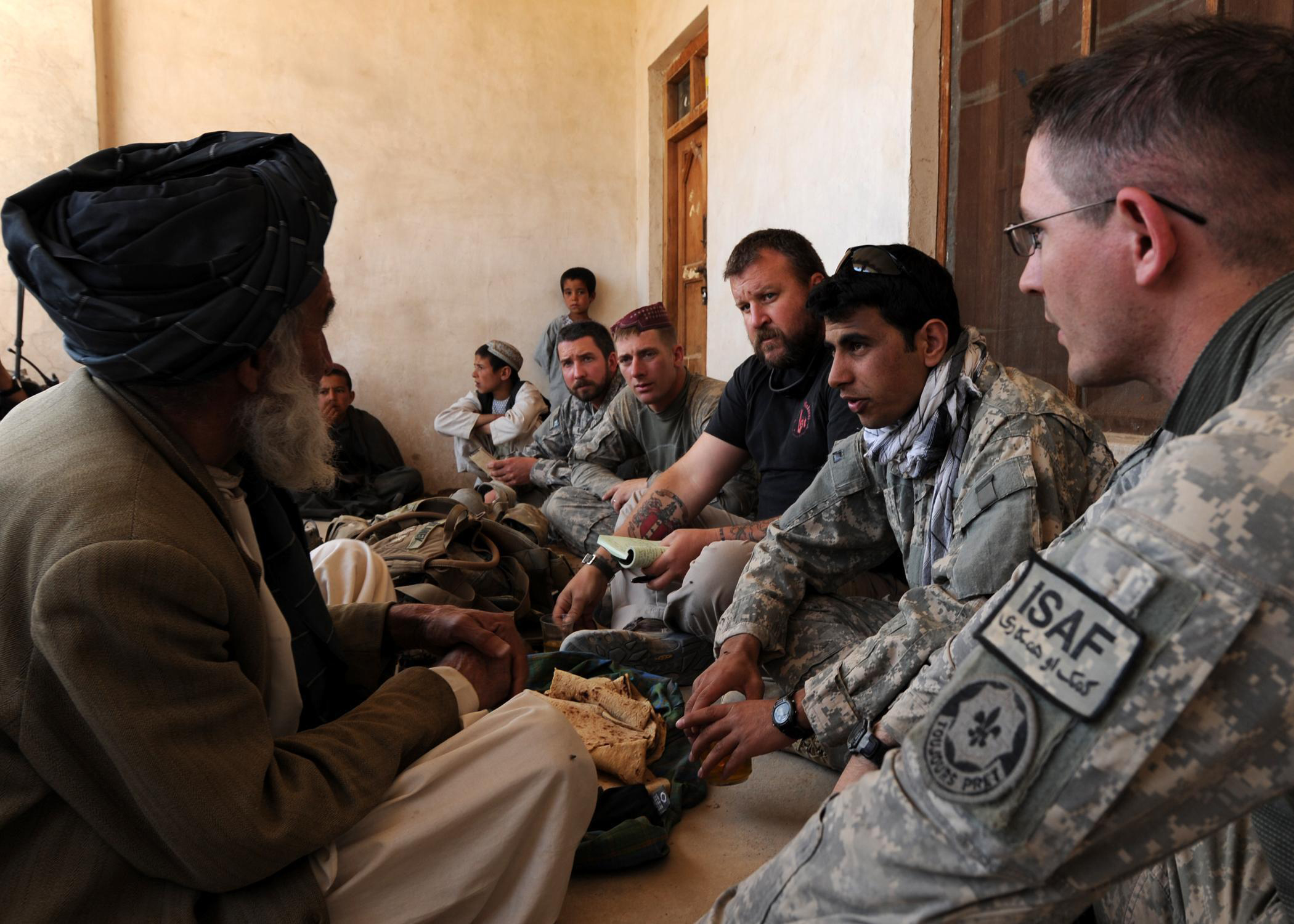
Box 1 - Guidelines for the protection of Local Staff: Human Terrain Team consisting of U.S. Army Soldiers and civilians, along with Afghan interpreter, meet with local citizens of village near Kandahar Air Field, Afghanistan (U.S. Army/Stephen Schester)
Box 2 - Legal Advocacy for Local Staff: Photo by Tingey Injury Law Firm on Unsplash
Box 3 - Report: The Lived Impacts of the UK Ministry of Defence Afghan Data Breach: A close up of a window with a building in the background on unsplash by Claudio Schwarz
Box 4 - Divided in leaving together: The resettlement of Afghan locally employed staff: We are here, because you were there - Andy Barnham
Box 5 - Afghanistan Veterans: Moral Injury & Righting Wrongs:  Veteran Advocates, Andy Barnham
Box 6 -We Are Here, Because You Were There: Afghan interpreters in the UK  - Andy Barnham
Featured Presentations: Flag, Afghanistan, Country royalty-free vector graphic. Free for use & download, deMysticWay
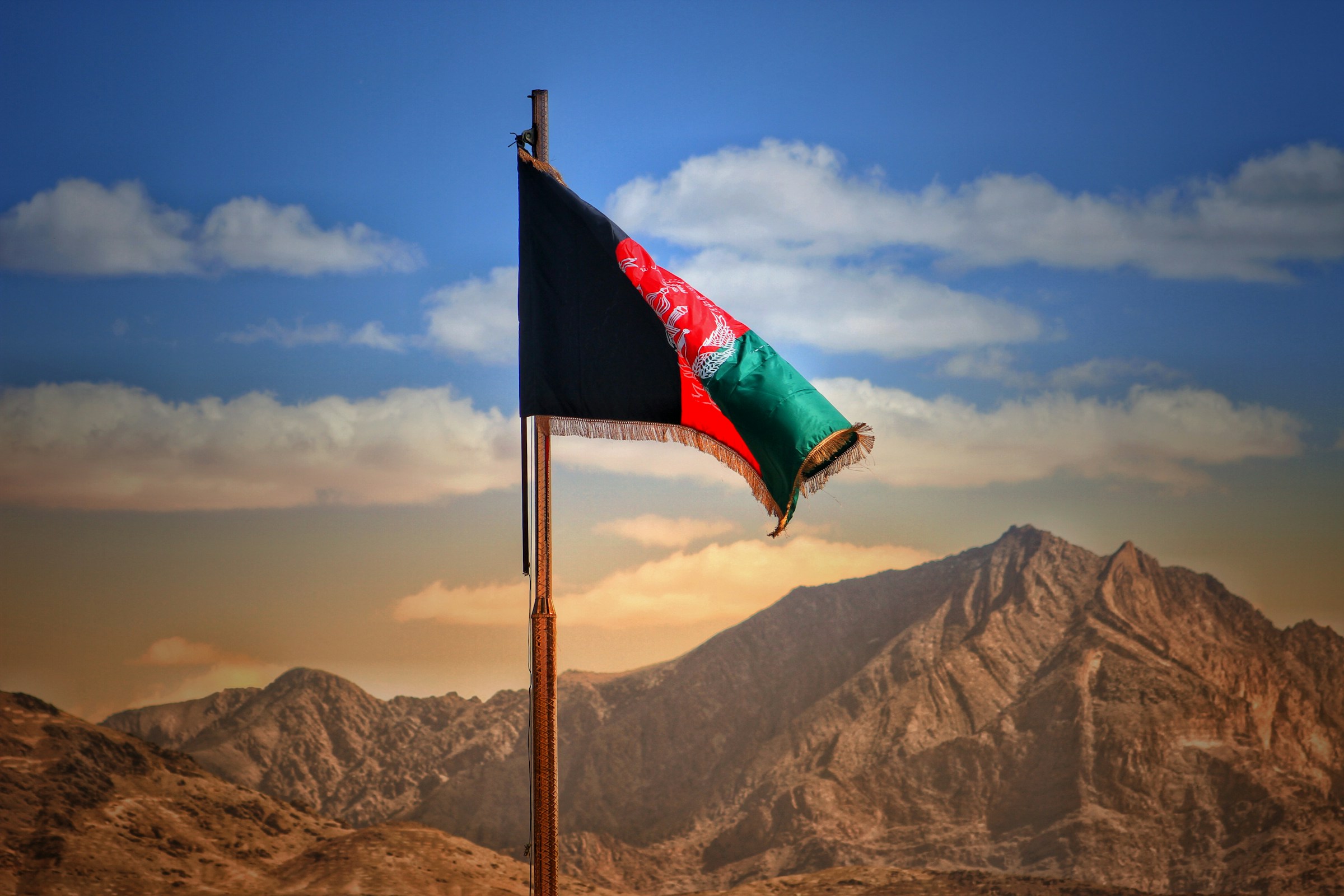
Academic Publications: Afghanistan flag, photo by Farid Ershad on unspash.com

Contact us

For further information, please contact the project lead:

Professor Sara De Jong

Project lead