
Undergraduate Policy School - Student Blogs
Posted on Friday 24 April 2026
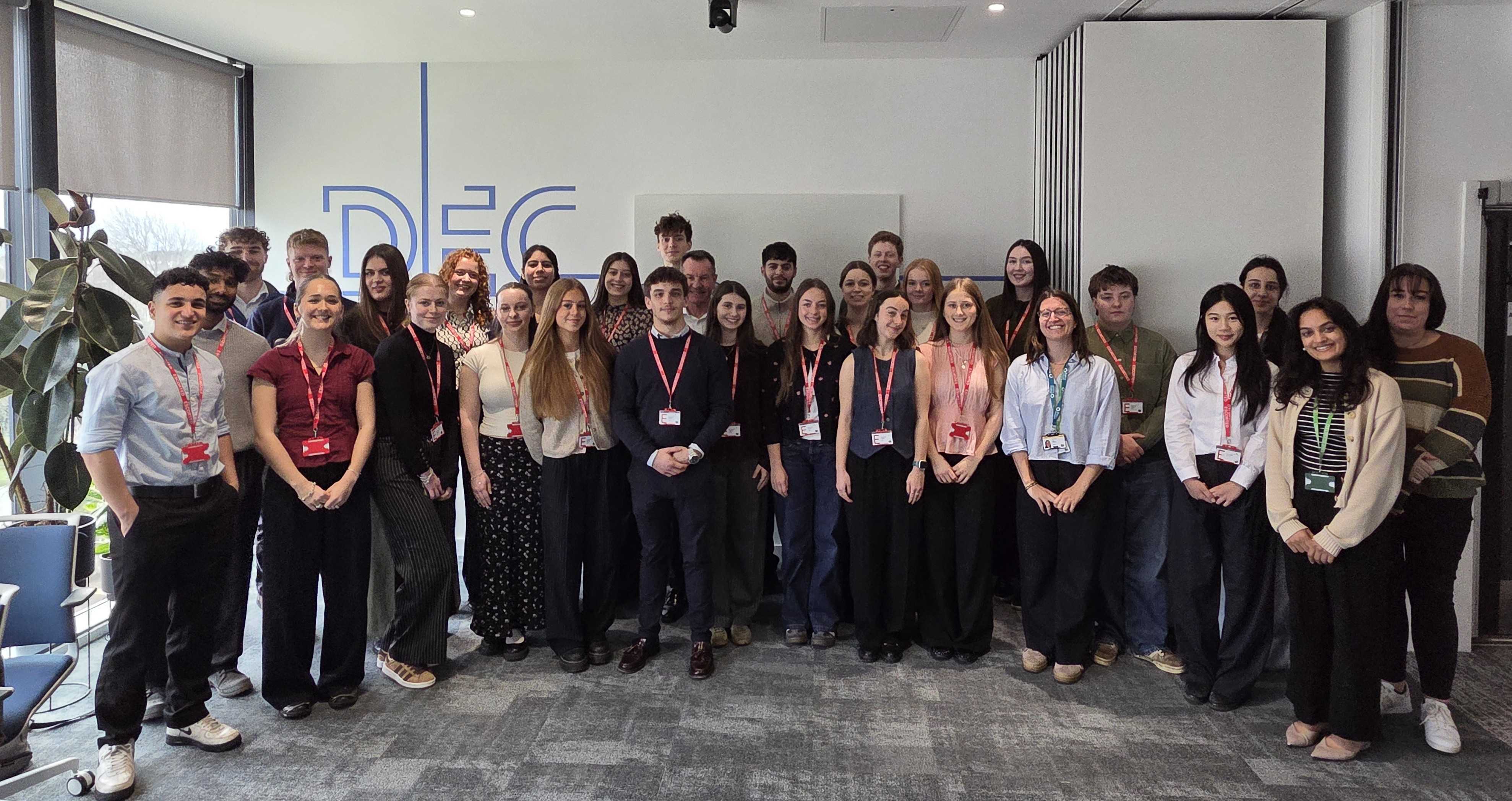
The Undergraduate Policy School is a York Policy Engine initiative which sees York undergraduate students from all faculties learn from senior government advisors. The School is designed to develop their skills in policy engagement, inviting them to take part in a work-based learning challenge to gain insight into the inner workings of public policy and decision-making. The students collaborate with their peers from across the university to develop a policy proposal on a live UK issue over five sessions.
Charlotte and Maia were two of the student participants for this year's School and they kindly shared their experiences of taking part.
Charlotte Reader, Economics Student
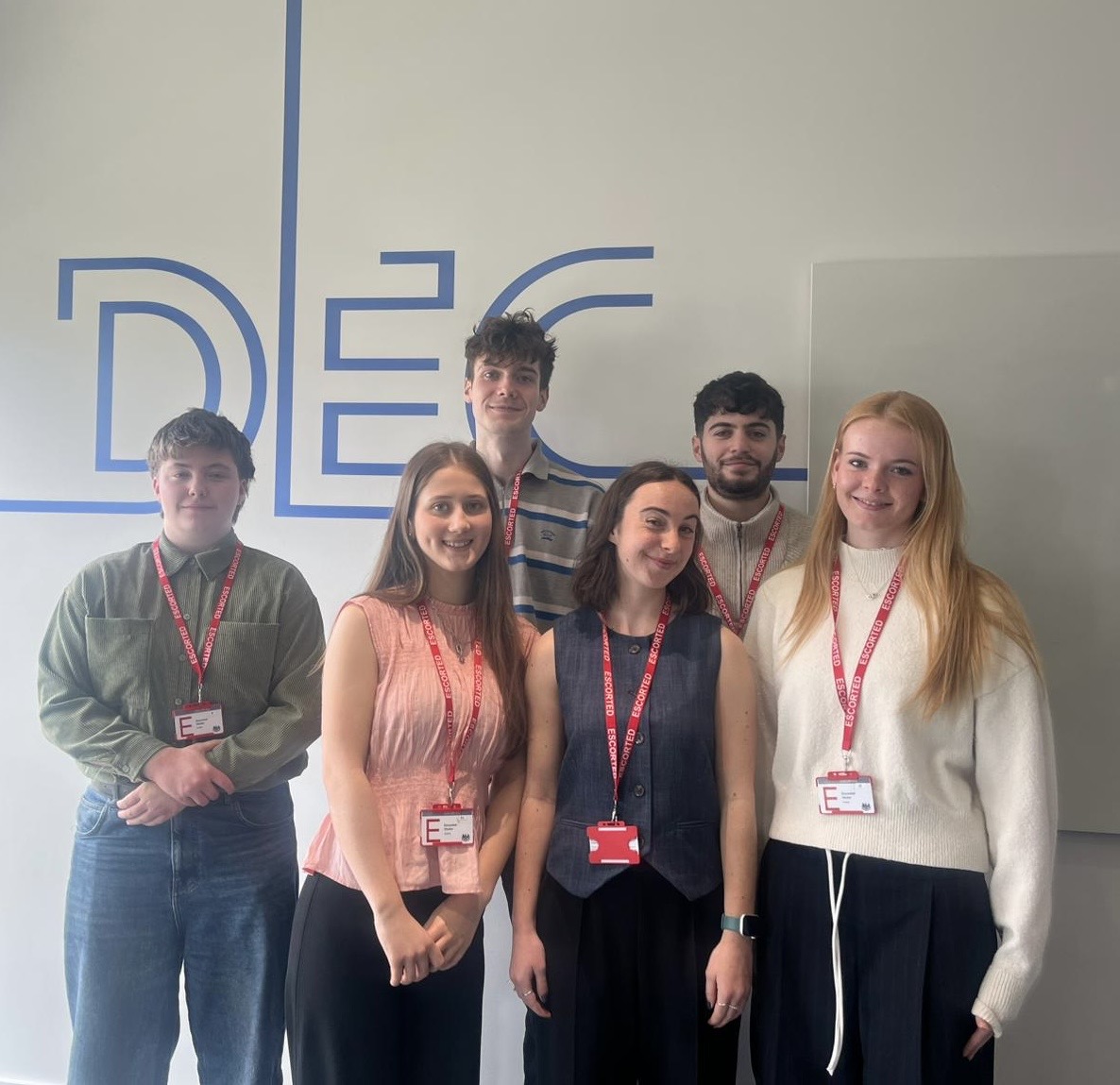 Charlotte Reader (Pictured front row, second from left) with her Policy School team
I applied to the York Undergraduate Policy School with an interest in government policy that I have developed through the study of Economics at University. My main interest for policy making developed following the Macroeconomic Analysis and Policy module where in seminar groups we solved economic problems with thorough policy proposals and presentations, this was a great challenge that bought great satisfaction. I believed the policy school would allow me to understand further how civil servants solve large economic issues, bridging the gap between my academic studies and the real-world, allowing me to be a step closer to perusing a rewarding career where change is at the forefront.
As the school was only three weeks long, once I was accepted, everything moved at a fast pace. After our initial team meet up, we began to solve the issue that we were faced with: reducing the number of young adults who are not in employment, education or training (NEET). This was a current issue faced by The Government, so data and articles were readily available. Over three engaging sessions those in The Open Innovation Team provided information about UK policy making, tips for preparing for the presentation and insights into the Civil Service which proved to be extremely helpful and informative.
I found having a team of various disciplines extremely helpful as we were able to lean on everyone’s strengths and hear other perspectives on the matter. Although there was a slight rush when it came to handing in our presentation, due to university studies and part time work, it gave us all an insight into deadlines faced by civil servants as we came to understand some policies have short time frames to curate, notably those produced during the pandemic.
The big day finally arrived! A mixture of nerves and excitement filled the bus on the journey up but luckily our presentations were first on the agenda. I signed up for this to push myself when it came to public speaking, so feeling excited to present was an invigorating change. The presentation went well as we ensured adequate research and preparation in the few weeks before. The civil servants took on roles as different ministers and posed questions accordingly, this gave me a real insight into the types of questions professionals are asked daily and the pressure they may feel when proposing a new policy.
In the afternoon, we were in smaller groups where we had the opportunity to talk to various civil servants in a less pressured setting, here group discussion was encouraged. This was a real highlight of the day as I have had few opportunities to network or talk to professionals thus far in my university career. I found this a very useful way to ease me into professional networking and felt confident to ask a range of questions. During the session we spoke to civil servants who have a variety of experience and expertise, from being a teacher and now working for HM Treasury to being accepted onto the fast steam as a graduate, this allowed me to reflect on my journey, understanding that it is not a linear process and joining the Civil Service can be done in multiple ways. A key takeaway from the conversations were the board range of skills you can acquire while in the Civil Service as it is very common to move between roles and departments throughout one’s career.
Following this session, we had a relaxed question and answer opportunity with Mike Baker CBE who was the Chief Operating Officer of the Ministry of Defence and now is The York Policy Engine’s Professor of Practice. This was the first time I had heard Mikes’ story and felt very inspired by his highly successful career and great impact he had on the country. The group understood how he ensured respect to everyone under him and the challenges he faced when his views possibly opposed the policies he had to implement.
As this experience came to an end, I can reflect on the valuable lessons I will carry with me throughout my career, whatever that path may look like. Through the group presentation work, I learned the importance of setting clear goals and ensuring everyone is heard for successful collaboration. The networking session reinforced that no career path is linear and finding the right path for me will take time and dedication. Finally, insights from Mike Baker CBE highlighted that treating others with respect is necessary for a motivated and accomplished team.
The Policy school was an invaluable experience I would highly recommend to anyone interested in understanding how policy shapes real-world decisions. Beyond strengthening your CV, it offers the opportunity to meet other like-minded individuals and obtain a meaningful insight into life as a civil servant.
Maia Crayford, Biomedical Sciences student
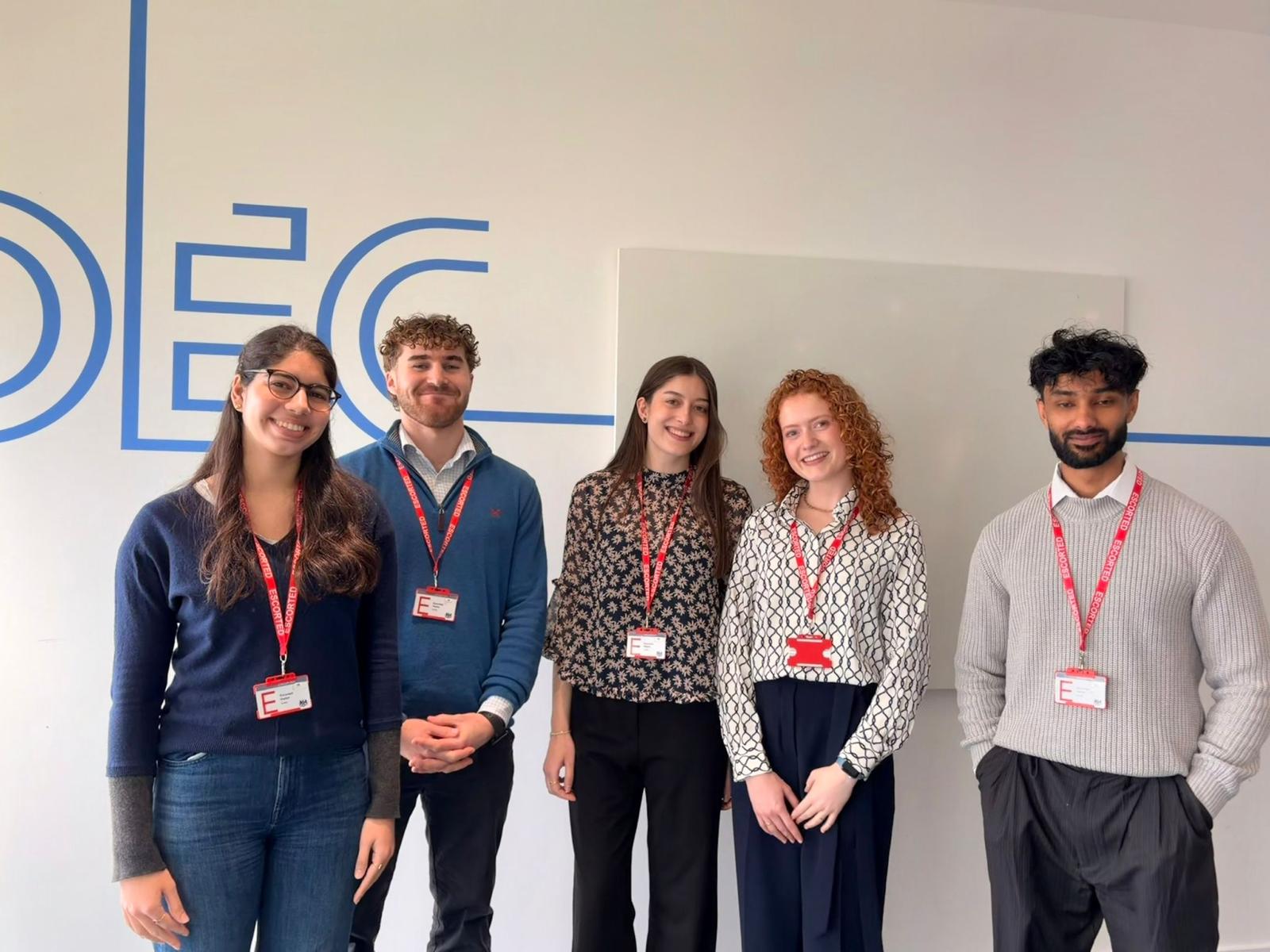 Maia Crayford, (pictured second from right), with her Policy School team
As a second-year Biomedical Sciences student, my degree provides a strong foundation in disease mechanisms. Building on this foundation, I am particularly interested in the application of science beyond the lab – translating data into real-world change and how policy influences healthcare decisions, funding priorities and implementation of new technologies. To gain a better understanding of the public policy landscape and decision making in Government, I was excited to learn in February that I was a successful applicant for the 2026 Undergraduate Policy School.
I knew the Policy School would enhance my understanding of the workings of Government and develop my skills in policy engagement and I was not disappointed. The Policy School, hosted by The York Policy Engine (TYPE) and led by Whitehall’s Open Innovation Team (OIT) was a fantastic experience, which I would recommend to all second and third year Undergraduate Students!
Prior to the Policy School, my awareness of the world of public policy and the Civil Service was limited although I had attended the ‘Working in Policy: A Talk with Mike Baker CBE’ in my first year and the Civil Service stand in the University’s career fairs. These events piqued my interest, but it was the Policy School, which gave me a visceral, hands-on experience of dealing with the challenges of writing policy for a government department and the opportunity to learn and network with industry professionals.
During 3 weeks in March, I collaborated with students from across the University to develop a policy proposal on a live UK issue over five sessions. The final session was hosted at the Darlington Economic Campus (DEC) – a hub committed to relocating 22,000 civil service roles from London and the South-East by 2030.
The Policy School consisted of in-person and online sessions providing us with a greater insight into UK policy making and writing and presenting policy to an audience.
The Challenge given to us was to design an intervention to reduce rising ‘Not in Education, Employment or Training’ (NEET) rates among 16–24 year-olds in the UK. This is a complex and multifaceted problem with many underlying drivers.
As a team, we had to write a Policy Submission (something we found a challenge as we had never written one before!) and deliver a presentation. With an allocated nominal budget of £5 million, we developed a policy called “No Student Left Behind”.
We researched the NEET problem and took an age and regional specific approach. We focused on County Durham, as the prevalence of being NEET in this country is the highest in the northeast region and particularly in County Durham where some 38.6% of pupils fail to achieve a grade 4 in GCSE Maths and English. We proposed an early intervention model – focusing on the delivery of integrated GCSE support in Maths and English for Years 10 – 11 together with personalised career mentoring and local employer engagement, filling a gap left by the current Government’s 16+ initiatives.
At DEC, we delivered an 8-minute presentation pitch on our policy proposal to a panel of officials from the Civil Service – an experience that was both nerve-wracking and exhilarating. We were then questioned on everything from teacher recruitment to using the free school meal initiative as an incentive for pupils to engage with our programme. We defended our policy confidently, earning praise for our policy name and the success metrics as well as the clear articulation of the practical implementation plan.
The general feedback for all teams was that they loved our ambition, though they did gently suggest that our ‘plans to solve the NEET crisis’ might hit a few speed bumps – otherwise known as ‘significant delivery risks’!
At DEC, we got the opportunity to speak to civil servants from various departments. I found this insightful as it offered deep insights into each department – including current projects, the culture, and the ethics of the service.
Would I recommend the Policy School to others? Absolutely YES!
The opportunity to network and learn from the variety of people I engaged with during The Policy School experience was fantastic. Feedback we received following our presentation was invaluable and while I’ve learned that writing policy is no mean feat, it has served to strengthen my curiosity to explore the Civil Service career pathways following graduation.
I am grateful to all those at The York Policy Engine and the Open Innovation Team for making the 2026 Undergraduate Policy School such an enjoyable and worthwhile experience. I’m also grateful to The Policy School for introducing me to my third year team members who were just as curious and enthusiastic as me. Friendships were formed from this experience for which I will be forever thankful.