York researchers make breakthrough in bid to develop vaccines and drugs for neglected tropical disease
Posted on Friday 2 August 2024
The breakthrough, by a team from the University of York and Hull York Medical School, is described in the journal Nature Medicine and lays the foundations for vaccine development and for testing new preventative measures.
Controlled human infection studies, where volunteers are exposed to small amounts of the microbes that cause disease, play a vital role in allowing scientists to provide evidence of the safety and efficacy of new vaccines, but their use in the fight against neglected tropical diseases has been limited.
Parasites
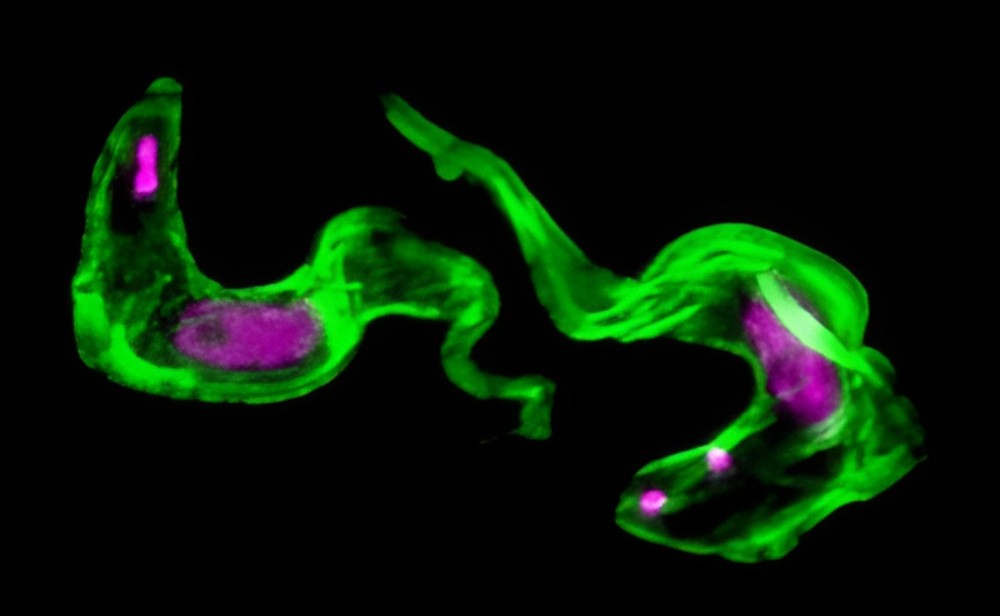
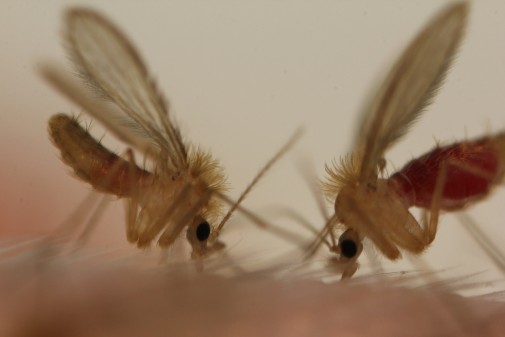
Leishmaniasis is caused by infection with microscopic Leishmania parasites that are transmitted into the skin during the bite of an infected sand fly.
The disease affects over one million people every year, the majority developing a slow to heal ulcer at the site of the infection. Though the ulcer eventually heals, the scar has a significant impact on quality of life, especially for women and children and when the infection is on the face.
No vaccines or drugs are currently available to prevent people from becoming infected with leishmaniasis, in part due to the difficulties and costs associated with conducting clinical trials in the countries where these diseases are most common.
Landmark study
Lead investigator, Professor Paul Kaye from the Hull York Medical School at the University of York, said: “This is a landmark study that now provides a new approach to test vaccines and preventative measures for leishmaniasis in a rapid and cost-effective way. It also allows us to learn more about how our immune system fights the infection. Thanks to the generosity of the volunteers that took part in our study, we are now well-positioned to bring new hope to those that are affected by this disease.”
Clinical lead for the study, Professor Alison Layton from the Medical School’s Centre for Skin Research, said: “Research on skin diseases that affect people in the UK and in developing countries is a priority at the Medical School. This study, which demonstrates that this infection model is safe and well tolerated by participants, exemplifies our global approach to skin health and has the potential to impact the lives of many millions worldwide.”
Immune response
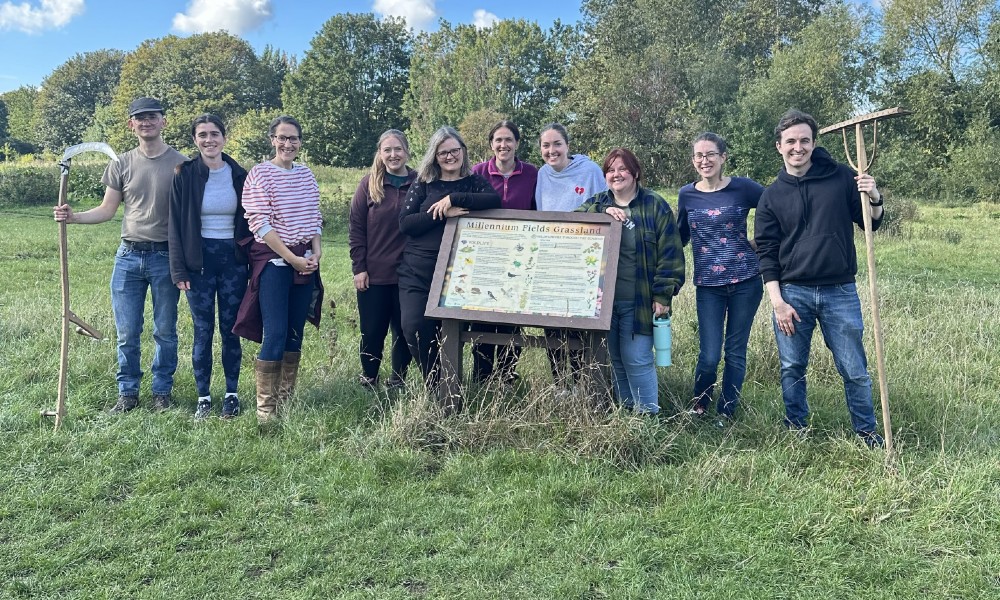
The study, which builds on significant achievements by the University of York and its international partners, involved 14 volunteers recruited from around York.
The volunteers were exposed to sand flies infected with a parasite species that causes one of the mildest forms of leishmaniasis. The researchers followed the development of the lesion at the site of the sand fly bite to evaluate the progress of the infection and then terminated the infection by biopsy of the skin. The scientists then studied the biopsy to examine the immune responses at the site of infection.
Accelerate efforts
This major new approach uses natural transmission by sand fly to initiate infection and state of the art technologies, allowing the researchers to track the infection and the body’s immune response in real-time.
The model will accelerate efforts to test new vaccines and understand how immunity to infection arises, the researchers say.
The researchers now hope to use their model to design clinical trials to test a vaccine developed at Hull York Medical School, along with other candidate vaccines available in the future. Controlled human infection models have already been used to support the development of vaccines for cholera, malaria, influenza, dengue fever and most recently COVID-19.