Seal species carries “genetic scars” after being hunted to the edge of extinction, new research reveals
Posted on Friday 27 September 2024
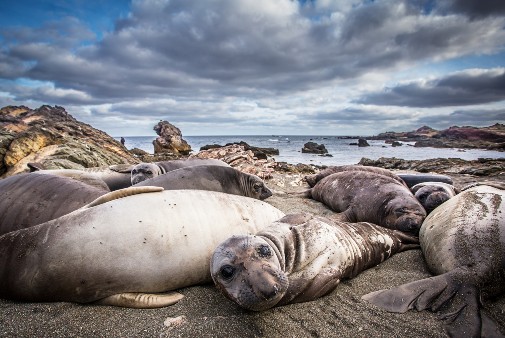
Hunted for the oil in their blubber, genetic analyses suggest that the hundreds of thousands of northern elephant seals that lived in the Pacific Ocean had been reduced to a population of fewer than 25 animals by the start of the 20th century.
The population has since recovered to around 225,000 individuals, but the new research – led by the universities of York and Bielefeld (Germany) and published in Nature Ecology and Evolution – suggests the drastic population decline led to the loss of many genes from the northern elephant seal’s gene pool, impacting their genetic diversity and health.
Threat to survival
The researchers, who combined genetic data, health records, modelling of population sizes and genetic simulations to carry out the study, did not observe the same pattern in the closely related southern elephant seal, which did not experience a near-extinction event.
The findings demonstrate how drastic population declines can squeeze out a species’ genetic diversity, increasing the risk of inbreeding and threatening its survival. They offer important insights for species conservation and ecosystem management, the researchers say.
Unique population history
Senior author of the study, Professor Kanchon Dasmahapatra, from the Department of Biology at the University of York, said: “Our study illustrates how a species’ unique population history shapes its genetic diversity.
“The highly reduced genetic diversity, including the loss of beneficial gene copies, may impair the ability of northern elephant seals to cope with future environmental changes, including those caused by anthropogenic climate change, changes to the species’ habitat, or even natural threats such as disease outbreaks”.
Lead author of the study, Professor Joseph Hoffman of Bielefeld University, added: “All individuals of a species carry some harmful mutations, though their effects are usually hidden. However, inbred individuals may face health issues as these mutations become exposed. ‘We looked at several key health traits in these seals, including body weight, blubber thickness and disease susceptibility. To our surprise, we found no signs of health problems related to inbreeding. We believe the severe population decline may have eliminated many harmful mutations.”