University of York part of project to look at how AI could reshape the museum and heritage sector
Posted on Thursday 15 February 2024
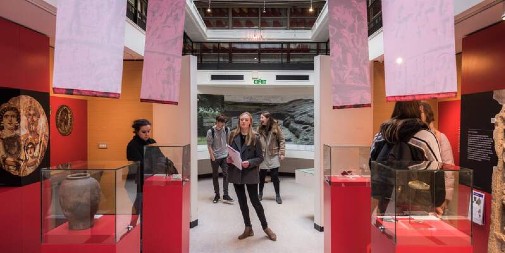
Dr Richard Carter, from the School of Creative Arts and Technologies, is a co-investigator on the project, which will consider the potential applications of AI for helping curators and researchers gain a deeper understanding of museum collections and improve the visitor experience.
The project will have a particular focus on tackling biases in AI, which may arise from the colonial history of many museum collections.
Researchers from the universities of York, Sheffield (Dr Joanna Tidy), Sheffield Hallam (Professor Márjory Da Costa-Abreu) and Cambridge (Dr Beryl Pong), will work in partnership with the Royal Armouries, the UK’s national museum of arms and armour, on the Arts and Humanities Research Council (AHRC) funded project.
Exciting potential
Dr Carter said: “Emerging AI technologies have exciting potential for opening up new possibilities for story telling and connecting audiences with the rich cultural and environmental history in museum collections.
“During this project we will look at how AI can be used responsibly in the sector, with a particular focus on the challenges that result from many collections having been shaped by colonial histories. Because AI is built using vast databases of material and learns from patterns and features in the data it analyses, there is a risk that it will unquestioningly re-produce imperial narratives and reflect historic attitudes.”
Responsible
“Museum Visitor Experience and the Responsible Use of AI to Communicate Colonial Collections” is one of 10 six-month projects, each supported with £2 million AHRC funding through the Bridging Responsible AI Divides (BRAID) programme, that will define what responsible AI is across sectors such as education, policing and the creative industries.
These projects will produce early-stage research and recommendations to inform future work in this area. They illustrate how the UK is at the forefront of defining responsible AI and exploring how it can be embedded across key sectors.
Rapid
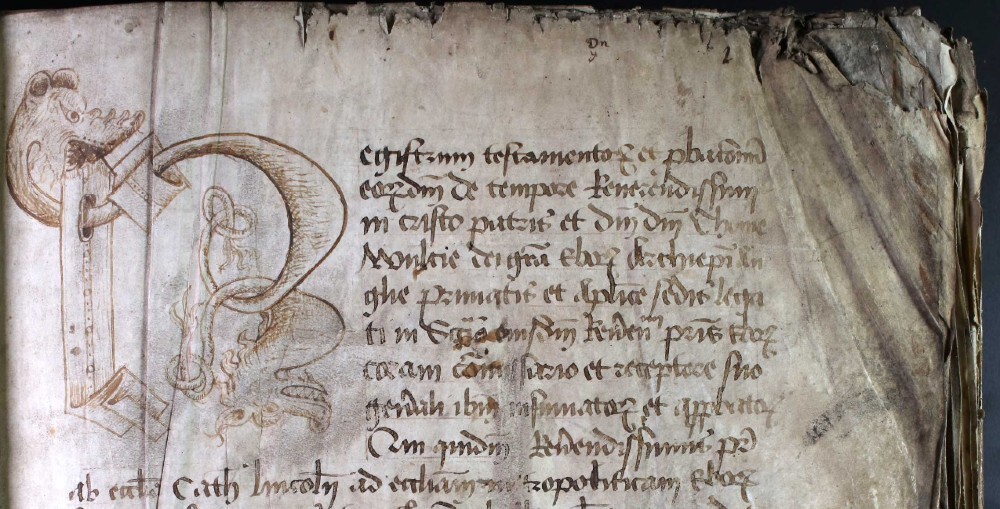
Dr Carter says that one of the ways AI could help curators to carry out research on collections and records in the future is by rapidly tracing and extracting information. For example, if researchers wanted to search for information on a particular historical figure within reams of digitised historic documents, AI could be used to pinpoint references and extract patterns, potentially taking just minutes to piece together evidence that would have taken an individual months to comb through.
However, Dr Carter does not think AI could ever replace the role of a human curator or historian.
“If anything, the human role becomes more important”, he said. “People provide indispensable context and direction, steering and curating the power of AI technologies, along with other tools.
“This project offers important investment and support for the future of the heritage sector and allows for careful consideration of how we will tell stories about the past in our rapidly changing world.”
Transform
Professor Christopher Smith, Executive Chair of the Arts and Humanities Research Council and UKRI International Champion said: “The impact of AI can already be felt in many areas of our lives. It will transform our jobs and livelihoods, and impact on areas as diverse as education, policing and the creative industries, and much more besides. UKRI’s research will be at the heart of understanding this new world.
“The research which AHRC announced today will provide lasting contributions to the definition and practice of responsible AI, informing the practice and tools that are crucial to ensure this transformative technology provides benefits for all of society.
“These projects are vital and timely interventions from across the research ecosystem to support responsible, safe and beneficial uses of the transformative power of AI.”