New research advances understanding of cancer risk in gene therapies
Posted on Thursday 16 November 2023
Some of these genetic mutations have been previously seen at higher levels in elderly individuals and those with certain blood cancers, such as leukaemia.
Medical research has shown promising results regarding the potential of gene therapy to cure genetic conditions such as sickle cell disease and the findings of this study, published in Nature Medicine, offer important new insights into processes happening in the body after treatment.
Clinical trial
The present study looked at samples from six patients with sickle cell disease who were undergoing gene therapy as part of a major clinical trial at Boston Children’s Hospital. The research brought together an international team of experts, to take a closer look at the genetic changes in the stem cells of patients before and after gene therapy and compare the cells that were modified with the therapy to those that weren't.
The study highlights the importance of long-term and in-depth monitoring of stem cell samples from patients with genetic conditions to track mutations that could lead to blood cancer, the researchers say.
Selection
Co-senior author of the study Professor David Kent from the Department of Biology and York Biomedical Research Institute said: "Think of the gene therapy process like clearing a forest and planting new seedlings. If you imagine that some seedlings are red and some are green, then the ‘selection’ we are observing is akin to having the forest regrow red trees preferentially.
“Our research indicates that gene therapy imposes a selection on different blood stem cells, the ‘seed’ cells of our blood and immune system. After gene therapy, the treatment might favour growth of stem cells with certain mutations, and this in turn could potentially lead to expansion of blood cells containing these mutations. In other settings, such expansions have been associated with development of blood cancers, particularly in older individuals, but the relationship of this study’s findings to the risk of blood cancers is not yet fully understood.”
The researchers used new technologies in genome science that allow blood cells to be tracked and compared in patients, a new approach which could substantially influence gene therapy trials in the future.
Potential
Co-senior author of the study Dr David Williams from Boston Children’s Hospital and Harvard Medical School noted: “Gene therapy holds immense potential to cure genetic conditions such as sickle cell disease, and understanding how the process influences blood stem cell growth in the long run is crucial for safety. Notably, our study revealed that younger patients, with fewer genetic mutations in their stem cells, didn't exhibit strong signs of mutations post-therapy. This suggests that treating patients with gene therapy at a younger age could be both safer and more effective, but substantial work needs to be done to test this formally."
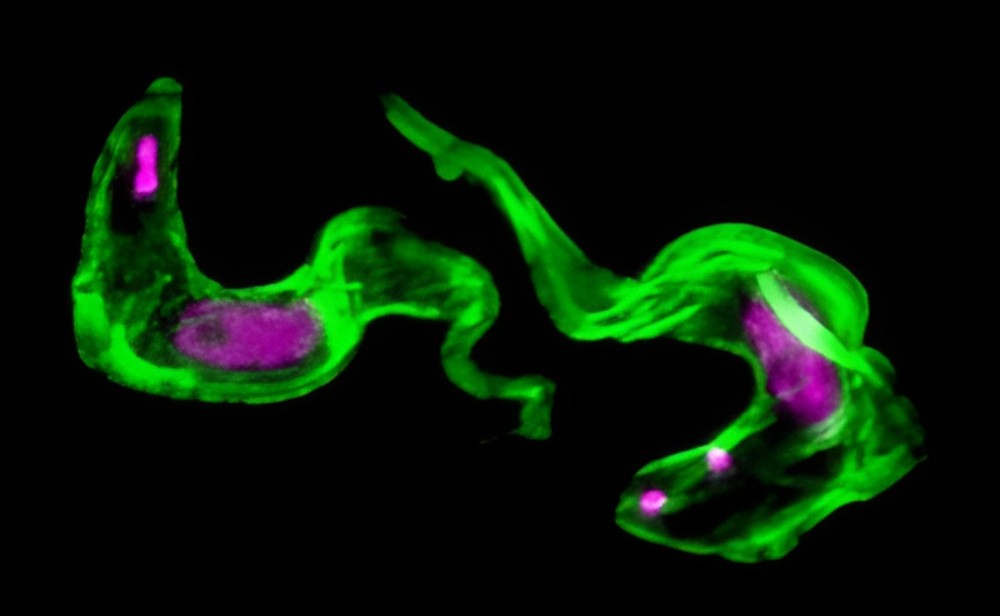
Sickle cell disease, an inherited genetic disorder, alters the natural round and flexible shape of red blood cells into a sickle or crescent shape, leading to severe health issues and putting patients at higher risk of developing blood cancer. Though approximately 100 million people carry the sickle cell trait worldwide, the disease only occurs if a child inherits the trait from both parents. In regions where the trait is prevalent, such as parts of sub-Saharan Africa, up to 20 percent of the population can be affected.
However, recent advances in gene therapy offer hope. This innovative approach involves modifying a patient's own stem cells outside the body, correcting the faulty gene responsible for the abnormal cell shape. These corrected cells are reintroduced into the patient, aiming to replace the problematic cells with healthy, normal-shaped ones.
Influence
The study, funded by the Bill and Melinda Gates Foundation, reveals that the gene therapy treatment itself is not the likely cause of new DNA mutations in blood stem cells. Instead, the process of genetically modifying these stem cells outside the body and re-transplanting them back into the patient makes blood stem cells that already have these mutations more prominent, thereby increasing their influence on the blood and immune systems.
The research team say the findings also suggest that younger patients may have acquired fewer stem cell mutations in their lifetime, which may inform the optimal age for gene therapies in this and other diseases in the future.
Pressing questions
Co-lead author of the paper, Dr Alyssa Cull from the Department of Biology and York Biomedical Research Institute, emphasised the need for further research: "We now require more in-depth studies to uncover the precise connections behind specific mutations and the gene therapy procedure. There are pressing questions regarding how we can refine gene therapy to avoid stem cells that might contain mutations that affect blood cell growth. Determining whether mutations within a sample of cells are dangerous in the long run remains challenging though and substantial further research is needed.”
Co-lead author Michael Spencer-Chapman from the Wellcome Sanger Institute echoes the need for longer term follow-up of patients saying: “Our research revealed that both gene-therapy modified and unaltered stem cells from sickle cell patients sometimes contained cancer-associated mutations leading to accelerated growth through the gene therapy procedure. Continuously tracking these mutations and gaining a deeper understanding of these processes will profoundly impact the future well-being of sickle cell patients around the world."