Report finds reception children have fallen behind due to Covid-19 disruption
Posted on Friday 20 May 2022
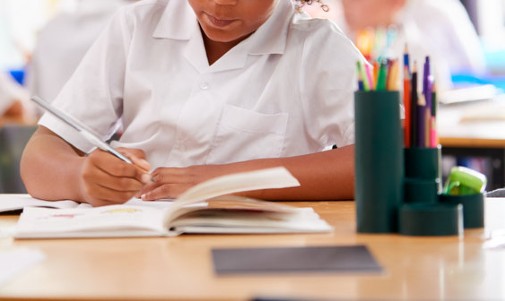
The study, commissioned by the Education Endowment Foundation (EEF) and conducted by a team from University of York, the National Institute of Economic and Social Research (NIESR) and the Education Policy Institute (EPI), was based on almost 100 schools and more than 3,000 children.
The study found that the proportion of pupils reaching expected levels of development has fallen sharply, with parents and schools reporting that children’s personal-social and emotional development, language, literacy, and numeracy skills had been affected.
Development
The study found that the proportion of children in their sample reaching the expected levels in all areas – communication and language, physical development, literacy, maths, and personal, social and emotional development – was 59% in 2021, compared to 72% for the 2019 cohort.
This difference is equivalent to, on average, three more children in every classroom not reaching the expected levels by the end of the school year.
The findings are supported by surveys of schools asking them about their pupils’ development. When this cohort of children started school in 2020, over three-quarters (76%) reported that they needed more support than those starting school before the pandemic. This had fallen to just over half (56%) by the end of the school year.
Support
Dr Louise Tracey, from the University of York’s Department of Education and one of the study authors, said: “Our report suggests that a smaller proportion of children who started Reception in September 2020 were meeting at least expected levels in all areas of the Early Years Foundation Stage Profile compared to their pre-pandemic peers. These findings are troubling, given the importance of the early years in children's development, and echo the concerns of teachers and parents. We would like to see mitigating measures in place to support schools, children and their families.”
Crucial
Professor Becky Francis, CEO of the Education Endowment Foundation (EEF), added: “The early years are such a crucial time for children’s development, both in terms of their attainment outcomes and their social and emotional wellbeing. So it is particularly concerning that fewer children reached the expected levels of development by the end of Reception class.
“Today’s new report adds to a growing body of research that gives us a more robust understanding of how children and young people have been affected by the pandemic, and the measures that will need to be taken to facilitate their recovery and move learning forwards.


.jpg)