Trial shows York leishmaniasis vaccine safe and induces immune responses in patients
Posted on Thursday 15 April 2021
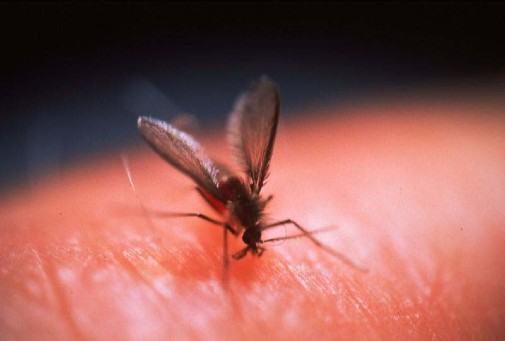
There are currently no vaccines to prevent leishmaniasis which is spread by the bite of sand flies and existing drugs have many side effects and are difficult to administer.
The potential new vaccine was developed by researchers at the Hull York Medical School, which is the joint medical school of the Universities of Hull and York.
Vaccines
Professor Paul Kaye from the Hull York Medical School was the principal investigator on the Wellcome Trust Translation Award that funded the development of the vaccine.
Professor Kaye said: “We have always thought that vaccines should be our greatest weapon against the different forms of leishmaniasis, but it has been a long journey to develop vaccines for testing in the clinic.
“These results are very encouraging, showing that the vaccine we have developed is safe and immunogenic in patients. It is now important to test this vaccine as a therapy in different forms of leishmaniasis where drugs are poorly effective, and to see if it can prevent the spread of the disease.”
The new vaccine, called ChAd63-KH, uses a non-replicating virus to introduce genes that code for Leishmania proteins into the human body. The design of the vaccine is very similar to the Oxford / Astra Zeneca vaccine being used to prevent COVID-19.
In the current clinical trials, ChAd63-KH is being tested to see if it can be used to treat rather than prevent disease.
Immune responses
The vaccine was given to patients with a chronic skin form of leishmaniasis and was shown to be safe and to stimulate immune responses associated with a cure.
A second trial of the vaccine is currently underway that will determine whether vaccination helps patients to recover from their disease without the need for drugs. The research team is also planning to test the vaccine in healthy volunteers to determine whether it can protect them from getting the disease after exposure to infected sand flies.
Leishmaniasis results in up to one million new cases each year across 98 countries. Infection can lead to different forms of disease, ranging from persistent and disfiguring skin ulcers to death.
Diseases
The research is a collaboration between the Hull York Medical School, the Institute of Endemic Diseases, Khartoum, the Department of Biotechnologies, University of Siena, Queen Mary University of London, the University of Edinburgh and the Robert Koch Institute, Berlin.
The research was funded by the Wellcome Trust and the TRANSVAC2 project supported by the European Union’s Horizon 2020 Research and Innovation programme under grant agreement No 730964.
The Wellcome Trust supports science to solve the urgent health challenges facing everyone. The organisation supports discovery research into life, health and wellbeing and is currently taking on three worldwide health challenges: mental health, global heating and infectious diseases.